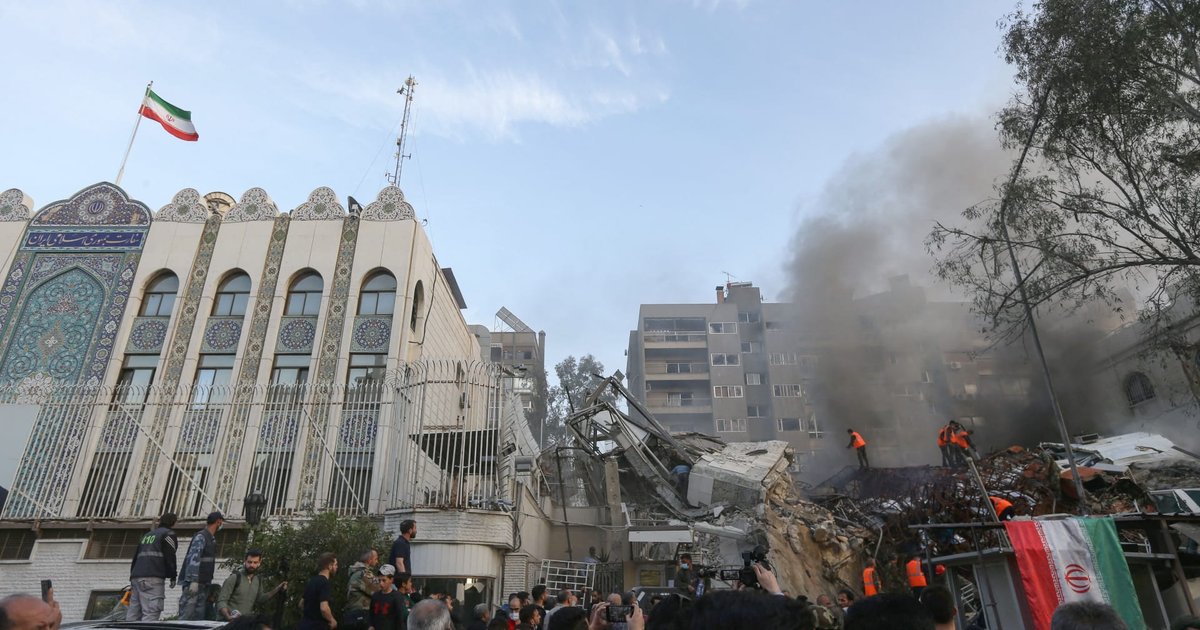
The United Nations has called for a comprehensive and urgent investigation into the bombing of a primary school in the Iranian city of Minab, which resulted in casualties. This statement was made by the UN High Commissioner for Human Rights, Volker Turk, who described the incident as causing "visceral terror." Turk emphasized the necessity for those responsible for the attack to be held accountable and to conduct transparent and fair investigations.
On February 28, the Shajareh Tayebeh Primary School in Minab was bombed, leading to the deaths of several students and teachers. This attack sparked a wave of grief and anger within the Iranian community, with people gathering for memorial ceremonies for the victims on March 3.
Details of the Incident
Eyewitnesses reported that the attack occurred during school hours, resulting in chaos and terror among the students. Turk noted that "the burden lies on those who carried out the attack to conduct a thorough and fair investigation." American officials also called for the need to conclude investigations related to the incident as quickly as possible.
This incident comes amidst rising tensions in the region, as Iran faces increasing international pressure. The attack raised questions about safety in Iranian schools, especially given the tense political circumstances.
Background & Context
Historically, Iran has witnessed numerous attacks on schools and educational facilities, reflecting the political and social tensions within the country. These attacks have been part of broader conflicts that include external interventions and internal strife. In recent years, concerns about the safety of students and teachers in schools have increased, particularly in tense areas.
The situation in Iran is also affected by economic and political sanctions imposed on it, complicating security conditions. Attacks on schools also reflect the tensions between the Iranian government and the opposition, which sometimes escalate into violence.
Impact & Consequences
The attack on the school in Minab may leave deep scars on the Iranian community, potentially leading to heightened anxiety among families regarding the safety of their children. Additionally, this incident could provoke strong international reactions, which may result in further pressure on the Iranian government.
Moreover, this incident may impact relations between Iran and Western countries, particularly the United States, which is closely monitoring the situation. International pressure could lead to changes in Iranian policies regarding education and school security.
Regional Significance
The attack on the school in Iran reflects the increasing tensions in the region, as such incidents can affect regional stability. Amid the multiple crises faced by Middle Eastern countries, escalating violence could exacerbate humanitarian conditions in the area.
This incident may also raise concerns among neighboring Arab countries, as it could have implications for regional security. It is crucial for Arab nations to collaborate with the international community to ensure the protection of children in schools and educational facilities.
In conclusion, the attack on a school in Iran serves as a wake-up call regarding the need to enhance safety in schools and protect children from violence. Achieving justice for the victims must be a priority for the international community.