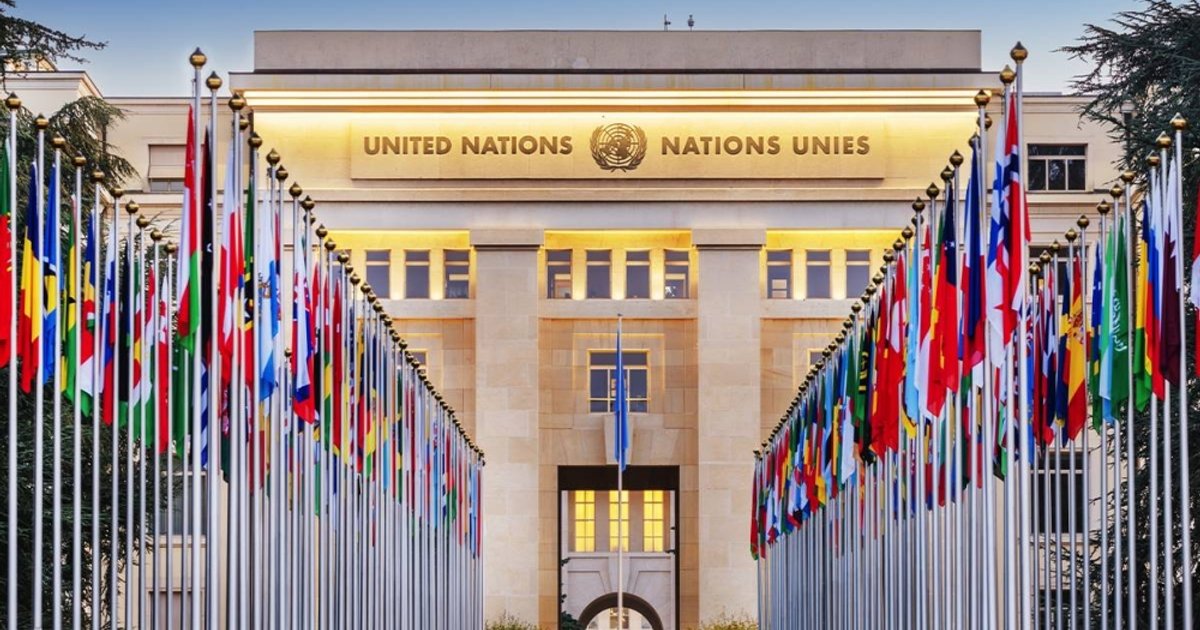
In a move that reflects its commitment to sustainability, the United Nations has honored three Chinese cities, namely Hangzhou, Sanya, and Suzhou, for their exceptional efforts in waste management and reducing environmental impact. This recognition was announced during a meeting of a UN advisory council in Nairobi last Friday.
These cities serve as role models in the field of waste management, having taken bold and innovative steps aimed at promoting the concept of a circular economy, which focuses on resource reuse and waste reduction. They have demonstrated how sustainable urban planning can contribute to improving quality of life and reducing pollution.
Event Details
During the meeting, innovative projects implemented by these cities were highlighted, such as advanced recycling systems and community awareness programs aimed at encouraging residents to reduce waste. Examples were also presented on how modern technology is being utilized in waste management, including smartphone applications that assist citizens in properly disposing of waste.
Through these initiatives, Hangzhou, for instance, has managed to reduce the amount of waste sent to landfills by up to 30% over the past few years. Meanwhile, Sanya has developed an integrated waste management system that encompasses all stages of the process, from collection to processing and recycling.
Background & Context
This recognition comes at a time when global concerns about climate change and its impact on the environment are on the rise. Waste management is one of the key issues facing many countries, especially in light of rapid population growth and urban expansion. According to UN reports, global waste volumes are expected to increase by 70% by 2050 if effective measures are not taken.
Historically, China has been one of the largest polluters in the world, but it has begun taking serious steps towards improving its environment. The Chinese government has launched several initiatives aimed at promoting sustainability and reducing waste, reflecting a shift in the country's environmental policies.
Impact & Consequences
The recognition of these three cities by the United Nations underscores the importance of innovation in addressing environmental challenges. It also highlights the role of local governments in achieving sustainable development goals. These initiatives can serve as a model for other countries, particularly those struggling with waste management issues.
Furthermore, this recognition enhances China's position on the international stage as a major supporter of sustainability and environmental innovation. This move is expected to encourage more cities and countries to adopt similar practices, contributing to the improvement of the global environment.
Regional Significance
Arab countries face significant challenges in waste management, as waste volumes continue to rise steadily. Arab nations could benefit from the Chinese experiences in this field by adopting similar strategies that promote sustainability and reduce environmental impact. For instance, Arab countries could invest in modern technology and develop awareness programs for citizens regarding the importance of waste management.
In conclusion, the United Nations' recognition of these Chinese cities represents an important step towards enhancing global awareness of the significance of waste management and sustainability. Adopting such initiatives in Arab countries could contribute to environmental improvement and enhance the quality of life for citizens.