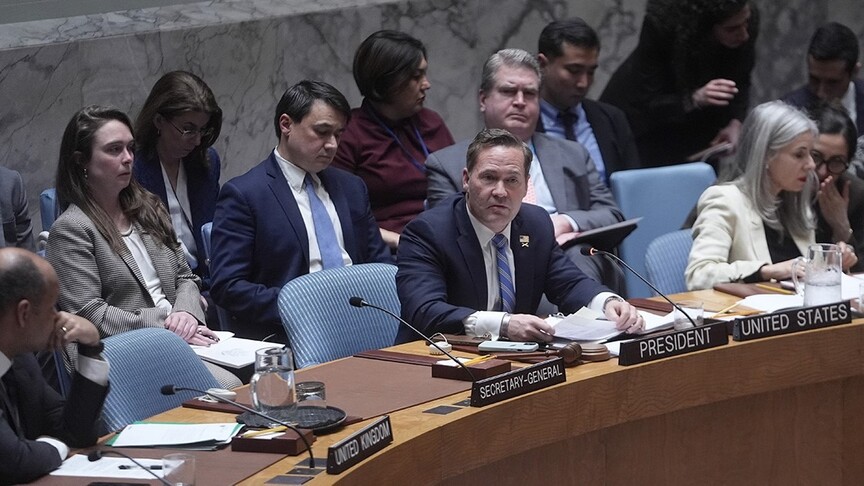
The United States of America has announced a humanitarian funding allocation of $1.8 billion to support relief efforts led by the United Nations. This funding is intended to save lives around the world, as well as to promote reforms aimed at ensuring efficiency, accountability, and the lasting impact of aid.
In his statements, Mike Waltz, the U.S. envoy, emphasized that this funding will contribute to saving more lives, highlighting the importance of reforms introduced to the humanitarian aid system to ensure effective and sustainable outcomes.
Details of the Announcement
This move comes at a time when many countries around the world are facing increasing humanitarian crises due to armed conflicts, natural disasters, and pandemics. The U.S. funding is part of Washington's ongoing commitment to support international efforts to address these challenges. Additionally, this funding will be directed towards relief programs in conflict zones and areas suffering from extreme poverty.
The humanitarian assistance that will benefit from this funding encompasses multiple sectors such as food, healthcare, education, and shelter. This funding is part of a broader strategy aimed at improving the effectiveness of humanitarian aid and directing it towards the most vulnerable populations.
Background & Context
Historically, the United States has been one of the largest contributors to humanitarian aid worldwide. In recent years, there has been an increase in the scale of humanitarian crises, prompting donor countries to reassess their strategies for delivering aid. In this context, the new funding comes as part of Washington's efforts to enhance its leadership role in humanitarian relief.
It is noteworthy that the United Nations has launched several fundraising appeals to address humanitarian crises, as needs are significantly increasing under the current global conditions. The U.S. funding is seen as a positive step towards meeting these rising needs.
Impact & Consequences
This funding is expected to have a significant impact on humanitarian relief efforts, as it will help improve the living conditions of millions of people suffering from crises. Furthermore, the focus on efficiency and accountability may lead to better management of aid and ensure it reaches the deserving populations.
Moreover, this funding could enhance the image of the United States as a major supporter of humanitarian efforts, which may affect international relations and strengthen its position on the global stage. This step could also encourage other countries to increase their contributions to humanitarian aid.
Regional Significance
In the Arab region, many countries are suffering from acute humanitarian crises due to ongoing conflicts, such as the situations in Syria, Yemen, and Iraq. It is expected that populations in these countries will benefit from the U.S. funding, which may contribute to improving their humanitarian conditions.
This funding may also bolster relief efforts in conflict areas, helping to alleviate civilian suffering and promote stability in the region. Thus, U.S. support comes at a critical time when the region needs more humanitarian assistance.
In conclusion, the announcement by the United States of this funding is an important step towards strengthening global humanitarian efforts, reflecting Washington's commitment to addressing the humanitarian challenges facing the world today.