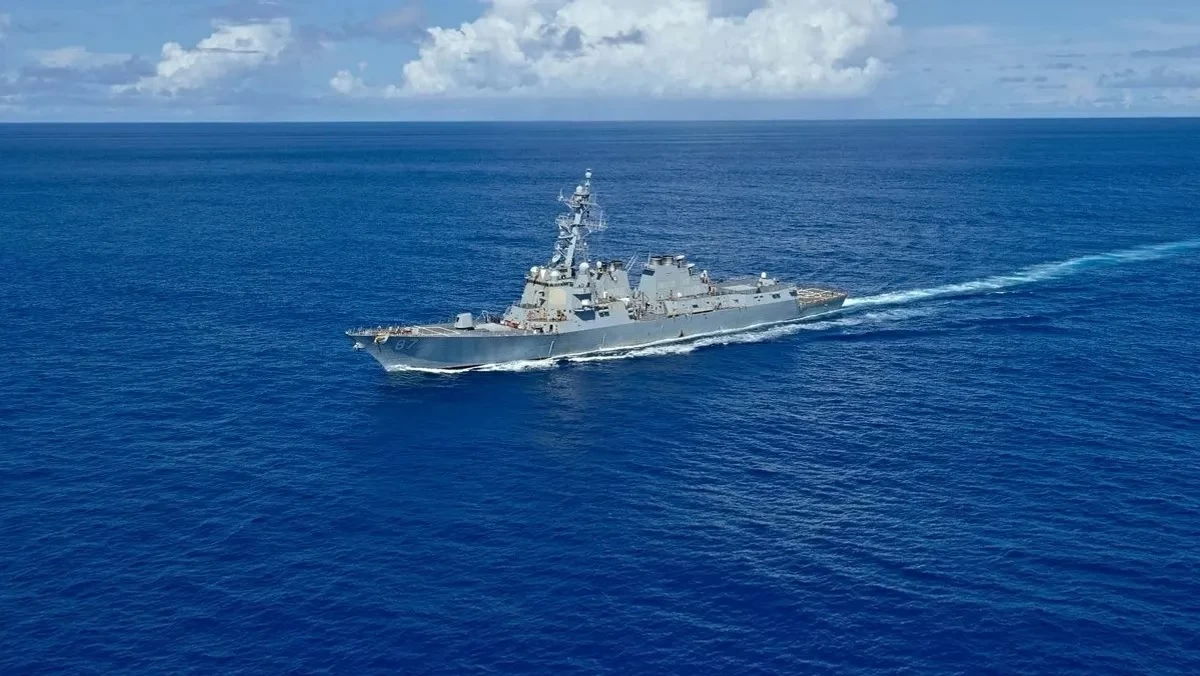
A relative calm prevails in the Strait of Hormuz this morning (Sunday), following a series of sporadic attacks that have occurred in the strait over the past few days. At the same time, the United States is awaiting Iran's response to its latest proposals aimed at ending the ongoing conflict.
Despite the calm, there are no signs of movement from Tehran regarding the proposal that would officially end the war before discussions begin on more contentious issues, including Iran's nuclear program. U.S. President Donald Trump has predicted that the United States will soon receive a response from Iran regarding the draft agreement, indicating that Tehran is still very much interested in reaching a deal.
Details of the Situation
In a related context, Israeli Channel 13 reported that a senior official stated Trump has pledged to Israeli Prime Minister Benjamin Netanyahu not to make any concessions on the issue of enriched uranium during the ongoing negotiations with Iran. This stance comes at a time when pressures are mounting to put an end to the war, which has negatively impacted the global economy and led to a worldwide energy crisis.
It is noteworthy that Iran has nearly blocked the passage of all non-Iranian ships through the Strait of Hormuz, which before the war accounted for approximately 20% of global oil supplies. The past few days have seen a significant escalation in clashes in and around the strait, with the UAE facing new attacks on Friday.
Background & Context
On Friday, the semi-official Fars news agency reported that sporadic clashes occurred between Iranian forces and U.S. ships in the strait. The U.S. military announced that it targeted two vessels linked to Iran that attempted to enter an Iranian port, forcing them to retreat. Washington also imposed a blockade on Iranian ships last month, further escalating tensions in the region.
However, a knowledgeable U.S. official indicated that a CIA assessment suggests Iran will not face overwhelming economic pressure from the U.S. naval blockade for about 4 more months. This delay may give Iran time to consider its future options.
Impact & Consequences
As President Trump's visit to China approaches this week, international pressures are increasing to end the war. This conflict poses a growing threat to the global economy, affecting oil prices and increasing instability in global markets. Continued disputes could exacerbate humanitarian conditions in the region.
In this context, Britain announced on Saturday that it will send a warship to the Middle East, preparing for such a mission that will involve several countries. This move reflects the growing international concern over escalating tensions in the region.
Regional Significance
The current developments in the Strait of Hormuz are of significant importance to Arab countries, as any escalation in the conflict could directly affect oil supplies and energy prices in the region. Additionally, the tense situation could have negative repercussions on political and economic stability in neighboring countries.
In conclusion, all eyes remain on Tehran and the potential response to the U.S. proposals, as any movement from Iran could determine the course of events in the region and impact international relations.