The U.S. armed forces have begun executing precision strikes targeting underground military sites in Iran as part of an escalation in the ongoing conflict in the region. The U.S. Central Command confirmed that reports of bombing a gym and residential area in the Iranian city of Lamerd were inaccurate.
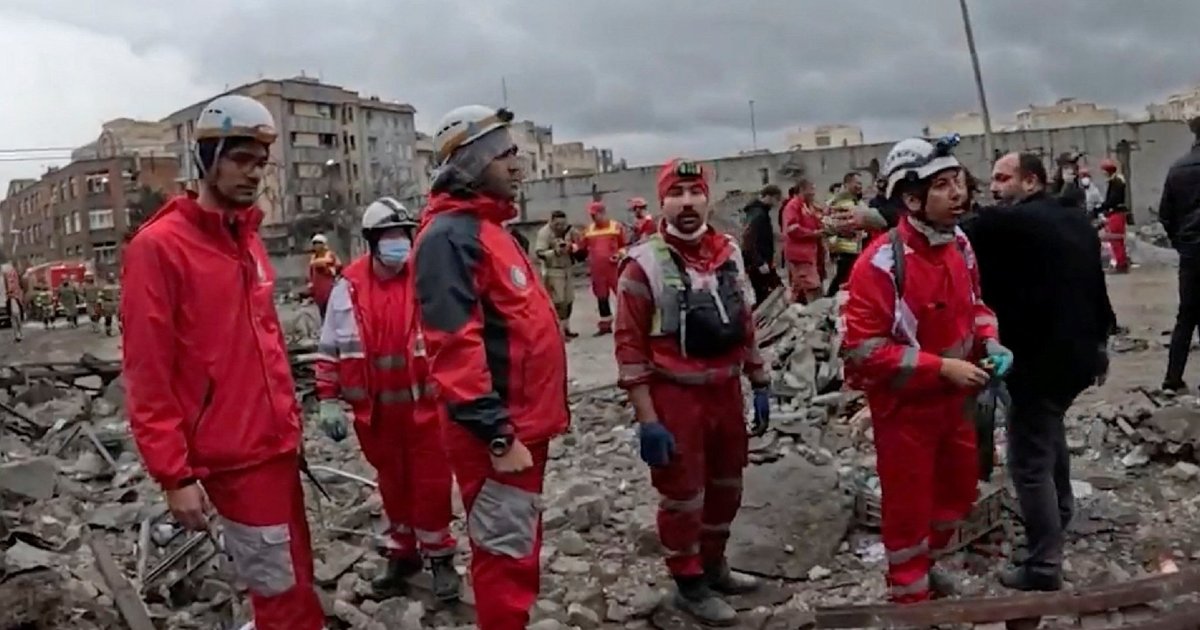
In contrast, Iranian authorities reported that the recent U.S.-Israeli strikes targeted the Tawfiq Pharmaceutical Factory, resulting in damage to its research center. Reports indicated that 24 medical facilities have been attacked since the beginning of the conflict, raising concerns about the humanitarian impact of these military operations.
Details of the Event
These strikes come at a highly sensitive time, as tensions between the United States and Iran escalate, particularly following a series of reciprocal attacks in the region. The U.S. strikes are viewed as part of a broader strategy aimed at undermining Iranian military capabilities, which are considered a threat to regional security.
Through these operations, the United States aims to send a clear message to Tehran that any escalation in military activities or attacks on U.S. forces or allies will not go unanswered. The U.S. Central Command has confirmed that it will continue to monitor the situation closely and take necessary actions to protect its interests.
Background & Context
Historically, U.S.-Iranian relations have been marked by increasing tensions since the Islamic Revolution in 1979, which led to the severing of diplomatic ties between the two countries. Since then, the United States has taken several steps to impose sanctions on Iran, particularly regarding its nuclear program and its support for armed groups in the region.
In recent years, these tensions have notably escalated, especially after the U.S. withdrawal from the Iranian nuclear deal in 2018. Since then, the region has witnessed an uptick in attacks between U.S. and Iranian forces, complicating the security situation in the Middle East.
Impact & Consequences
Analysts suggest that these strikes could lead to a larger escalation in the conflict, as Iran may respond to these attacks in various ways, either through direct assaults or by supporting armed groups in the region. This escalation could also impact the overall stability of the region, threatening the interests of neighboring countries.
Moreover, these events may affect oil prices and global financial markets, as any escalation in the conflict could heighten concerns about oil supplies from the Gulf region, which is considered one of the largest oil sources in the world.
Regional Significance
Arab countries neighboring Iran, such as Iraq and Syria, find themselves in a precarious position due to these developments. Any escalation in the conflict could have negative repercussions on security and stability in these nations, exacerbating civilian suffering and complicating peace efforts in the region.
In conclusion, the situation in the region remains tense, and the military escalation between the United States and Iran does not appear to be stopping anytime soon. It is crucial for Arab nations to closely monitor these developments and work on enhancing regional cooperation to ensure security and stability in the area.