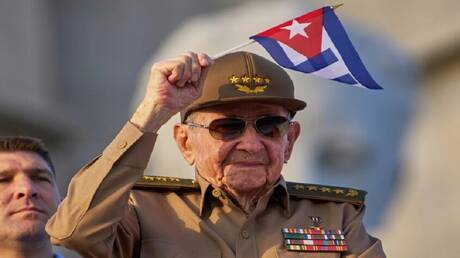
Todd Blanche, the acting U.S. Attorney General, confirmed that the United States will make intensive efforts to arrest former Cuban leader Raul Castro. Blanche explained that the charges against Castro relate to serious crimes, necessitating strict legal actions.
These statements come at a sensitive time as the United States continues to strengthen its stance against political figures it considers a threat to national security. This approach reflects the U.S. administration's commitment to pursuing those responsible for human rights violations, regardless of their geographical location.
Details of the Event
Blanche stated that the U.S. government will not hesitate to use all available legal means to achieve this goal. He noted that Castro, who took over the leadership of Cuba after his brother Fidel Castro, faces accusations related to severe human rights violations, reinforcing the United States' position in seeking his arrest.
Castro is a controversial figure, having been associated with numerous repressive policies during his rule. These policies have drawn widespread criticism from international human rights organizations, making his arrest particularly significant for the United States.
Background & Context
Historically, relations between the United States and Cuba have been tense, especially following the Cuban Revolution in 1959. The United States has taken several steps to isolate Cuba, including imposing an economic embargo. However, there was a slight improvement in relations during the Obama administration, but tensions escalated again under the Trump administration.
This move is part of a broader strategy aimed at pressuring the Cuban government to implement political and economic reforms. The United States has shown increasing interest in the issue of human rights in Cuba, reflecting a shift in American foreign policy towards Latin American countries.
Impact & Consequences
These statements are likely to escalate tensions between the United States and Cuba, as the Cuban government may respond with countermeasures. Additionally, Castro's arrest could have significant implications for domestic politics in Cuba, where he is viewed as a symbol of the Cuban revolution.
Through this action, the United States aims to send a strong message to governments that violate human rights, which may influence how other countries address human rights issues in the future.
Regional Significance
These events are particularly significant for the Arab region, as they reflect how major powers deal with human rights issues. This policy may impact Arab countries facing criticism regarding human rights, prompting them to take steps to improve their records in this area.
Ultimately, the case of Raul Castro remains a focal point of global interest, reflecting ongoing political and human rights tensions worldwide. Countries and observers will closely monitor these developments due to their potential implications for international relations.