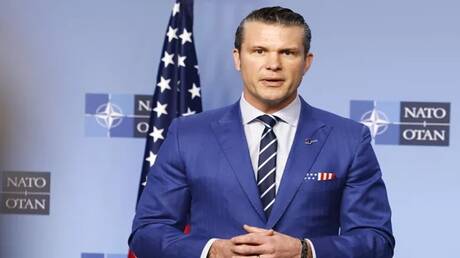
U.S. Secretary of Defense Pete Hegseth announced on Tuesday that the United States intends to carry out the largest number of airstrikes on Iran on Monday and Tuesday, marking the most significant military action since the operation commenced on February 28. This decision comes at a sensitive time when the region is witnessing heightened tensions between Washington and Tehran.
The United States aims to achieve strategic objectives through these strikes, particularly in reducing Iran's influence in the region, especially given the increasing Iranian threats against U.S. interests and its allies. The U.S. administration appears to hope to send a strong message to Tehran that any escalation in military activities will be met with a robust response.
Details of the Strikes
These airstrikes are part of the U.S. policy aimed at countering destabilizing Iranian activities in the Middle East. Hegseth indicated that these strikes will be part of a broader strategy that includes enhancing the U.S. military presence in the region.
The targeted strikes will focus on Iranian military sites and command centers, with the U.S. hoping that these operations will undermine Iran's ability to conduct offensive operations against U.S. forces or its allies. Additional U.S. military movements in the region have also been reported, including the deployment of warships and fighter jets.
Background & Context
Historically, U.S.-Iranian relations have seen increasing tensions since the U.S. withdrawal from the nuclear agreement in 2018. Since then, Washington has imposed severe sanctions on Tehran, exacerbating the economic and political situation in Iran.
In recent years, Iran has ramped up its military activities in the region, including supporting armed groups in Iraq, Syria, and Lebanon. These activities have raised concerns among the United States and its allies, prompting them to take preemptive military actions.
Impact & Consequences
If the U.S. strikes succeed in achieving their objectives, they could lead to a reduction in Iranian military activities in the region, potentially contributing to greater security stability. However, there are fears that these strikes could lead to an even larger escalation in the conflict, increasing the risk of an all-out war.
Moreover, these strikes may affect U.S. relations with its allies in the region, as some may feel apprehensive about the military escalation. At the same time, Iran may respond to these strikes in unconventional ways, complicating the security landscape further.
Regional Significance
The U.S. strikes on Iran represent a turning point in regional relations, potentially impacting the stability of Gulf Arab states. Arab countries, which rely on U.S. security, are closely monitoring the situation, as any escalation could have negative repercussions on the economy and security in the region.
In the event of rising tensions, trade and shipping in the Gulf may be affected, negatively impacting the global economy. There are also concerns that Iranian-backed armed groups may take retaliatory actions against U.S. and Arab interests.
In conclusion, the anticipated strikes on Iran mark a new phase in the ongoing conflict, necessitating close monitoring of developments by the international community. Under these circumstances, hope remains for avoiding military escalation and achieving peace in the region, despite significant challenges.