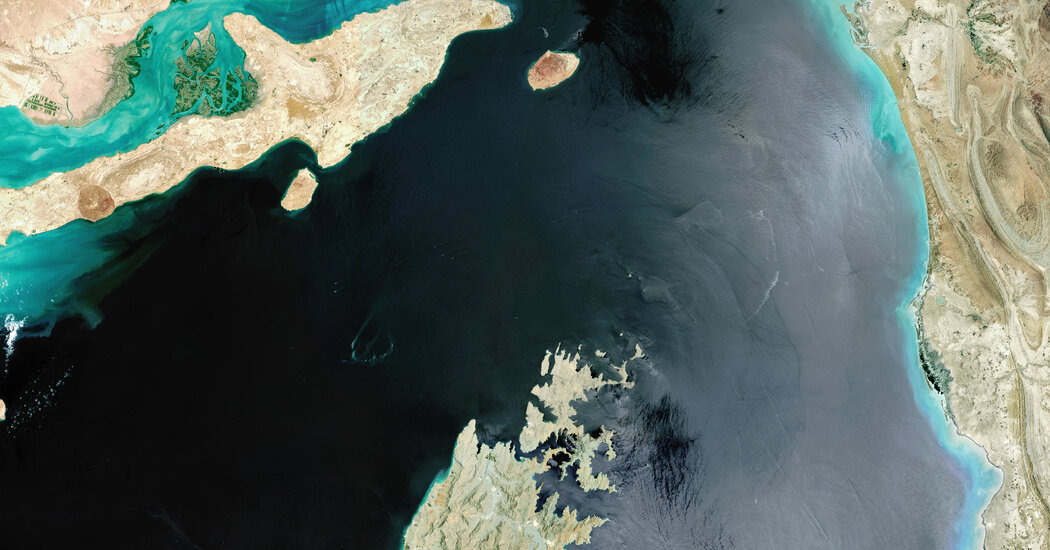
The United States has declared its intention to provide necessary support to end the disruptions affecting navigation in the Strait of Hormuz, one of the world's most vital maritime corridors. This announcement comes at a sensitive time marked by increasing tensions in the strait, which are impacting global trade.
The United States considers the Strait of Hormuz a vital strategic point, through which approximately 20% of the world's total oil passes. Recent disruptions have heightened concerns regarding the stability of energy supplies, prompting Washington to take urgent steps for intervention.
Details of the Event
In official statements, the U.S. Department of Defense confirmed that it would enhance its military presence in the region by sending additional warships and coordinating efforts with its allies. It also emphasized the importance of maintaining freedom of navigation in the strait and the necessity of countering any threats that may affect commercial shipping.
This move follows a series of incidents in the strait, including attacks on oil tankers, which have raised alarm within the international community. The United States has assured that it will work to ensure navigational safety and protect commercial interests.
Background & Context
The Strait of Hormuz, located between Iran and Oman, is a key transit point for oil and natural gas. Historically, it has witnessed tensions between Iran and Western countries, particularly the United States. In recent years, these tensions have escalated significantly, affecting regional stability.
The roots of these tensions can be traced to several factors, including Iran's nuclear program and Tehran's support for armed groups in the region. Additionally, the economic sanctions imposed on Iran have contributed to the intensification of tensions, making the Strait of Hormuz a battleground for influence.
Impact & Consequences
These U.S. actions are expected to increase tensions in the region, as Iran may respond to these moves in various ways. Such responses could include heightened military activities or even new threats to navigation in the strait.
Moreover, the enhancement of the U.S. military presence may affect relations with other countries in the region, including Gulf states. Some of these countries may feel concerned about rising tensions, while others might see this as an opportunity to strengthen their cooperation with Washington.
Regional Significance
Arab countries neighboring the Strait of Hormuz, such as Saudi Arabia and the UAE, are among those most affected by recent developments. The economies of these countries heavily rely on oil exports, and any disruptions in navigation could negatively impact their revenues.
Furthermore, these events could lead to an increase in global oil prices, affecting the global economy as a whole. Under these circumstances, Arab countries must take proactive steps to ensure market stability and protect their economic interests.
In conclusion, the situation in the Strait of Hormuz remains under scrutiny, requiring a delicate balance between enhancing security and maintaining freedom of navigation. Developments in the region will continue to influence international and regional policies.