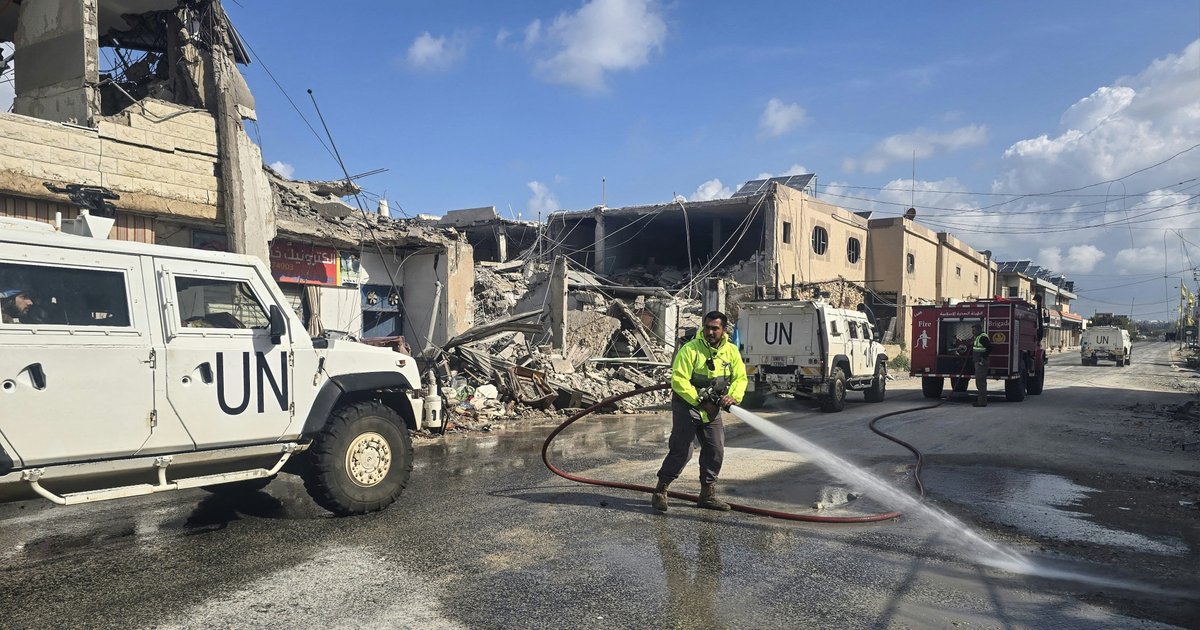
The United States, through its Ambassador to the United Nations, Jeff Bartos, has reiterated its commitment to supporting the organization while stressing the necessity for substantial reforms to improve its performance. This was stated during a press conference held on Wednesday, where Bartos noted that President Donald Trump believes in the potential of the UN and wishes to work with it to achieve its goals.
Despite the announced support, the previous U.S. administration had withdrawn funding from several UN-affiliated organizations, raising concerns about the future of financial support for the organization. Bartos indicated that the United States has so far contributed $159 million as part of its regular budget, in addition to $2 billion to the humanitarian coordination fund.
Details of the Event
These statements come at a time when the UN is facing a severe financial crisis, with U.S. debts owed to the organization exceeding $3.5 billion. The UN Secretary-General, Antonio Guterres, has warned of the possibility of a "financial collapse" if the United States does not take urgent steps to support the organization.
Bartos also highlighted the importance of focusing on the UN's core missions, such as peacekeeping and security, and the necessity of establishing clear objectives and exit strategies for missions. He emphasized that the continuation of some missions for decades is unacceptable.
Background & Context
The United Nations was established after World War II with the aim of promoting international peace and security, playing a significant role in many global crises. However, political and financial tensions among member states, particularly with the United States, have affected the organization's effectiveness. In recent years, the UN has faced increasing criticism from some countries, including the United States, which accuse it of bias and inefficiency.
Historically, the United States has been one of the largest contributors to the UN budget, but political changes in the U.S. administration have led to a reduction in this support. Under the Trump administration, decisions were made to withdraw funding from several programs, raising concerns about the UN's ability to carry out its missions.
Impact & Consequences
The ongoing financial pressures on the UN may lead to cuts in its humanitarian and developmental programs, negatively affecting developing countries that rely on international support. Additionally, tensions between the United States and other countries could exacerbate humanitarian crises in conflict areas.
On the other hand, the reform calls made by Bartos could open the door for new discussions on how to improve the UN's effectiveness. If these reforms are implemented, they could enhance the organization's role in conflict resolution and peacebuilding.
Regional Significance
Arab countries are among those most affected by UN decisions, especially amid ongoing crises in regions such as Syria, Palestine, and Libya. Any changes in U.S. policy towards the UN could directly impact efforts to resolve these crises.
In conclusion, U.S. support for the UN remains essential for achieving global stability, but it also requires a commitment from all member states to implement necessary reforms to ensure the organization's effectiveness.