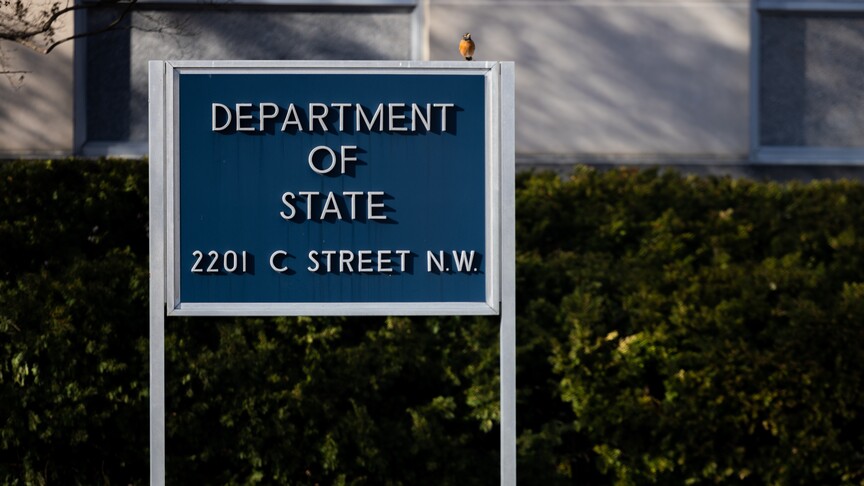
The U.S. State Department has announced visa restrictions on several officials in South Sudan's transitional government due to their role in undermining peace and stability in the country. The department confirmed that these measures are part of using all available tools to enhance accountability and transparency in the transitional government.
These restrictions target officials who have contributed to the worsening security and humanitarian conditions in South Sudan, where the country has been suffering from ongoing internal conflicts for years. Through this step, the United States aims to pressure the transitional government to make progress in the peace process.
Details of the Visa Restrictions
These restrictions come at a sensitive time for South Sudan, as the country continues to suffer from the effects of the ongoing conflict that began in 2013. This conflict has resulted in the deaths of thousands and the displacement of millions, making the humanitarian situation in the country extremely difficult. The United States is one of the main countries supporting peace efforts in South Sudan, and it has used this step as a means to pressure the government to implement necessary reforms.
The U.S. State Department also confirmed that it will continue to monitor the situation in South Sudan and will use all available tools to promote accountability. This announcement comes at a time when international pressure on the transitional government is increasing to comply with signed agreements and achieve stability in the country.
Background & Context
The transitional government in South Sudan was established in 2020 after years of conflict. Despite progress made in some areas, many challenges remain, including corruption and mismanagement. The United States has expressed concern over the continuation of these practices, prompting it to take stringent actions against involved officials.
Historically, the United States has been one of the most prominent supporters of South Sudan since its independence from Sudan in 2011. However, the ongoing conflict and political chaos have led Washington to reassess its strategy towards the country.
Impact & Consequences
These restrictions are expected to affect relations between the United States and South Sudan, as the transitional government may feel increased pressure to achieve the required reforms. This step could also lead to heightened tensions within the government, potentially causing divisions between officials supported by the United States and those who prefer to maintain current policies.
Moreover, these restrictions may impact humanitarian aid provided to the country, as some programs could be affected due to certain officials' inability to travel or participate in international events. This could exacerbate the humanitarian situation in the country.
Regional Significance
This move highlights the challenges faced by the transitional government in South Sudan and underscores the United States' commitment to achieving peace and stability in the region. The international community is closely watching the developments, as the situation in South Sudan has broader implications for regional security.
In conclusion, the U.S. visa restrictions serve as a critical reminder of the ongoing struggles within South Sudan and the need for accountability among its leaders. The hope is that these measures will encourage meaningful reforms and contribute to a more stable future for the nation.