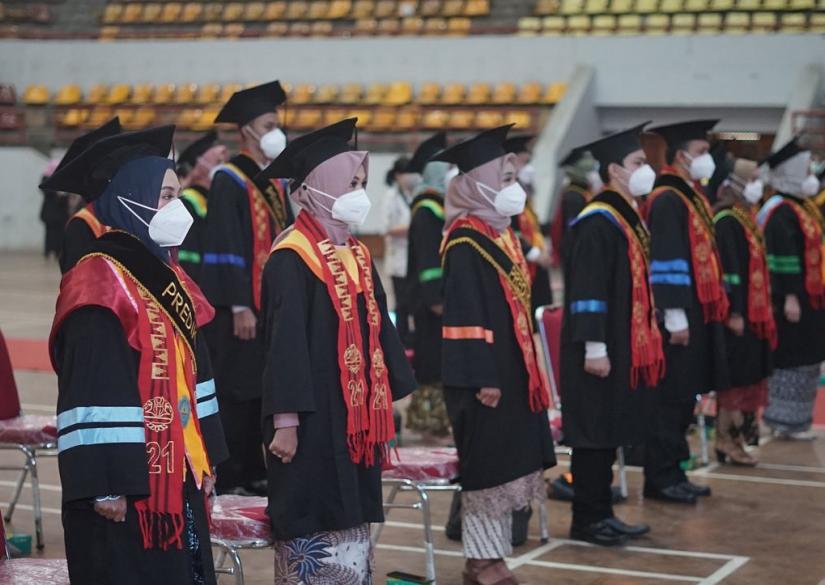
The University of Lampung (Unila) has announced the acceptance of 1,319 students holding the Kartu Indonesia Pintar (KIP) through the National Selection Based on Achievement (SNBP). This was stated by the head of the Academic and Student Affairs Office, Hiro Satrian Arif, who explained that the university received a total of 2,866 students through this pathway.
Arif noted that among these students, only 647 students were deemed eligible for the financial support provided by the government. He confirmed that eligibility is determined by central authorities, expressing hope for an increase in the number of students eligible for support.
Details of the Announcement
In his remarks, Arif clarified that the university will provide financial assistance to students who were not considered eligible for support. He stated, "If the number of beneficiaries is not increased by the central government, the University of Lampung will offer tuition discounts to students who passed through the SNBP pathway."
He added, "We are working to ensure that there is no excuse for eligible students holding the Kartu Indonesia Pintar not to enroll in the university. We will also invite all beneficiaries for interviews, and if there are any objections, they can file complaints."
Background & Context
The Kartu Indonesia Pintar (KIP) is one of the Indonesian government initiatives aimed at supporting students from low-income families, facilitating their access to higher education. This initiative was launched as part of the government's efforts to improve the education level in the country and reduce the educational gap among different social classes.
Historically, Indonesia has seen a significant improvement in university enrollment rates, but challenges remain, especially regarding the provision of financial support for students from low-income families. The University of Lampung is one of the leading universities in this area, striving to provide equal opportunities for all students.
Impact & Consequences
This step by the University of Lampung serves as a model for addressing educational and financial support issues. Increasing the number of students eligible for support can contribute to enhancing higher education in Indonesia, leading to improved skills and capabilities among the youth.
Moreover, providing financial assistance to ineligible students can encourage more students to enroll in university, thereby enhancing opportunities for higher education in the country. This could contribute to improving the economic and social situation for many families.
Regional Significance
Indonesia's experience in supporting higher education through financial aid programs is a model that Arab countries could benefit from. Many Arab countries face similar challenges regarding access to higher education, especially amid difficult economic conditions.
Arab nations can draw inspiration from these initiatives to develop similar support programs, contributing to improved educational opportunities for youth and enhancing sustainable development in the region.
In conclusion, the acceptance of 1,319 students holding the Kartu Indonesia Pintar at the University of Lampung is a positive step towards enhancing higher education in Indonesia, reflecting the commitment of the government and universities to provide equal opportunities for all students.