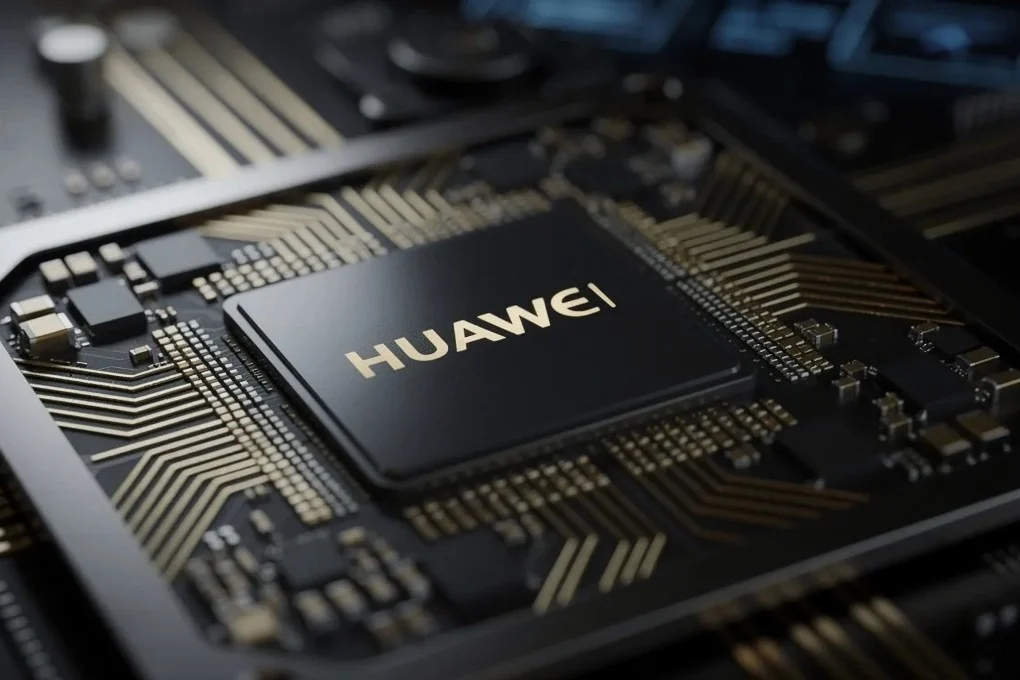
The University of Peking has achieved a significant milestone in microchip design by revealing a 3D design tool that aids Huawei in its efforts to develop advanced semiconductors. This innovation arrives at a critical time as the Chinese company faces substantial challenges due to trade restrictions imposed by the United States.
This tool, considered a prototype for an Electronic Design Automation (EDA) tool, was unveiled on Tuesday by the university's Integrated Circuits College. This specialized software is widely used in chip design, assisting engineers in optimizing performance and reducing costs.
Event Details
This new tool represents a crucial step towards enhancing Huawei's ability to develop advanced technologies amidst current challenges. The company is striving to overcome obstacles posed by U.S. restrictions, which have significantly impacted its access to modern technology.
This initiative is part of Huawei's ongoing efforts to innovate in the fields of communications and semiconductors, aiming for self-sufficiency in this vital sector. The university has confirmed that the new tool will expedite the design process and improve the quality of final products.
Background & Context
Founded in 1987, Huawei has grown to become one of the largest global companies in the communications sector. However, trade tensions between the United States and China have significantly affected its operations. In 2019, the U.S. government placed Huawei on a blacklist, complicating its ability to obtain the necessary technology for product development.
In this context, Huawei is seeking to enhance its self-sufficiency in chip design, which necessitates advanced tools like the newly unveiled one. This move is part of a broader strategy aimed at reducing reliance on external suppliers.
Impact & Consequences
This innovation could have a substantial impact on the semiconductor industry, potentially increasing competition in the market. If Huawei can develop advanced technologies using this tool, it may reshape the balance of power in the global technology sector.
Moreover, Huawei's success in this area could encourage other companies in China to invest in developing similar technologies, fostering local innovation and decreasing dependence on Western technology.
Regional Significance
The technology industry in the Arab region is in a growth phase and could benefit from innovations provided by companies like Huawei. As reliance on technology increases across various sectors, these innovations could play a crucial role in enhancing technological capabilities in Arab countries.
Additionally, collaboration between Arab companies and Huawei in the technology sector could open new avenues for investment and development, contributing to sustainable development in the region.