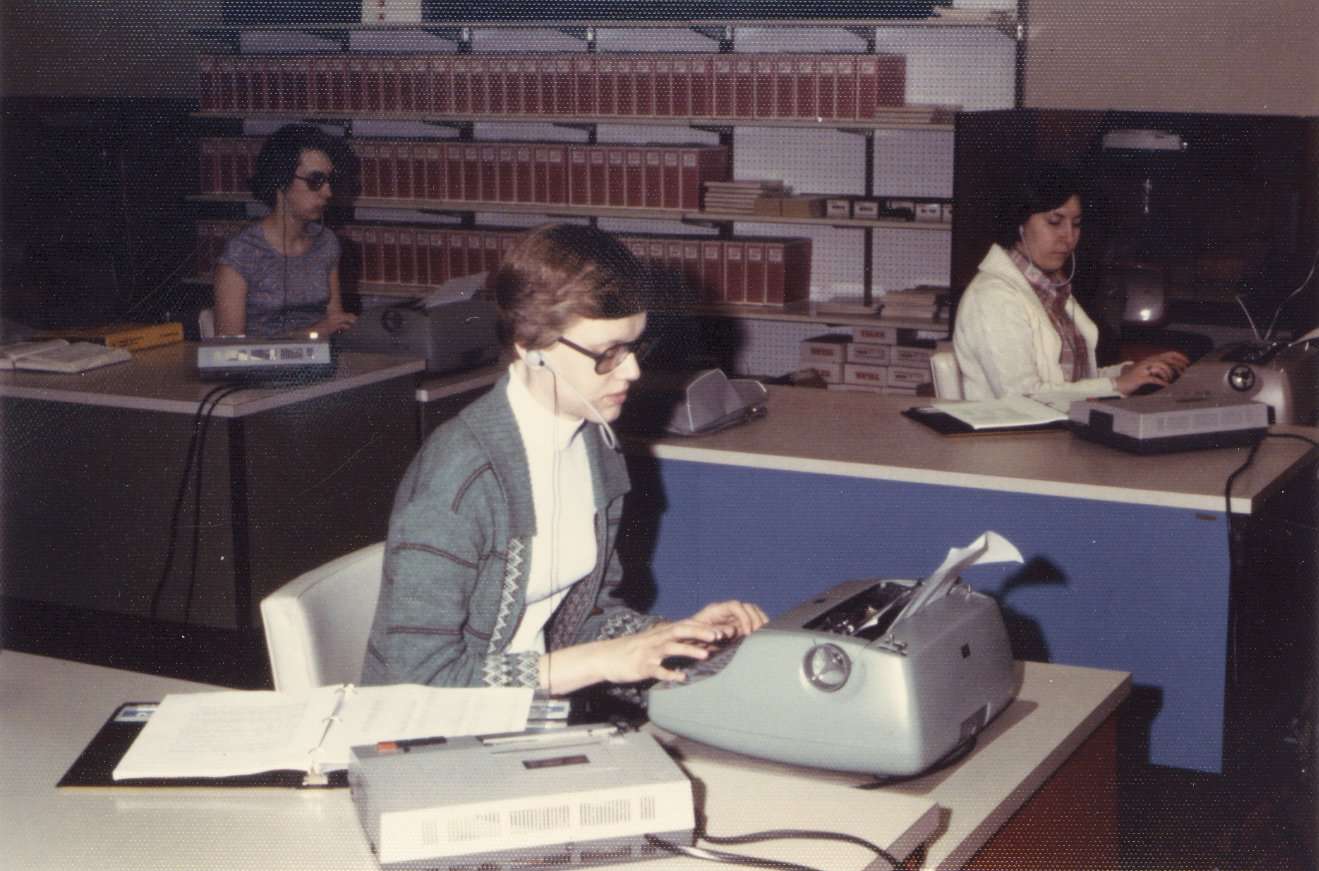
In an innovative step aimed at addressing the challenges posed by AI writing, a university teacher in the United States has decided to return to using typewriters in his classroom. This decision aims to reduce reliance on technology and teach students valuable life lessons.
This initiative comes at a time when the world is witnessing a significant increase in the use of artificial intelligence across various fields, including education. Students are increasingly relying on AI tools for writing research papers and essays, raising concerns among many educators about the quality of education and the depth of understanding among students.
Details of the Initiative
The teacher, who teaches at an American university, has used typewriters as a means to encourage students to think critically and creatively. He noted that writing on a typewriter requires greater focus and deeper thinking, which helps students develop their writing skills more effectively.
Additionally, the teacher aims through this experience to teach students the importance of expressing their ideas authentically, away from reliance on technology. This initiative has been well received by some students, who found it an enjoyable challenge and an opportunity to try something new.
Background & Context
AI writing has become a controversial topic in academic circles. The use of tools like ChatGPT and Google Bard has raised questions about the future of writing and creative expression. In recent years, universities have seen an increase in the use of these tools, prompting many educators to seek new ways to maintain educational quality.
Historically, typewriters were symbols of creativity and writing, used by many writers and thinkers in the past. With the advent of computers and modern software, the use of typewriters declined, but this initiative revives this old tradition in the world of education.
Impact & Consequences
This initiative is expected to affect how students engage with writing and express their ideas. This experience may encourage students to think more deeply and develop their writing skills away from reliance on technology. Furthermore, this step could serve as a call for educators worldwide to reassess the teaching methods used in their classrooms.
Moreover, this initiative may lead to broader discussions about the role of technology in education and how to achieve a balance between using modern tools and preserving traditional skills.
Regional Significance
In the Arab region, education faces similar challenges related to increasing reliance on technology. This teacher's experience in the United States could serve as a model for Arab universities, potentially contributing to enhancing critical thinking and creativity among students.
Additionally, returning to traditional methods in education may help develop writing and expression skills among Arab students, thereby improving the overall quality of education in the region.
In conclusion, the use of typewriters in education represents a bold and innovative step that reflects the need to rethink teaching methods in the age of technology. This initiative may mark the beginning of a new approach to education that balances the use of technology with the preservation of traditional skills.