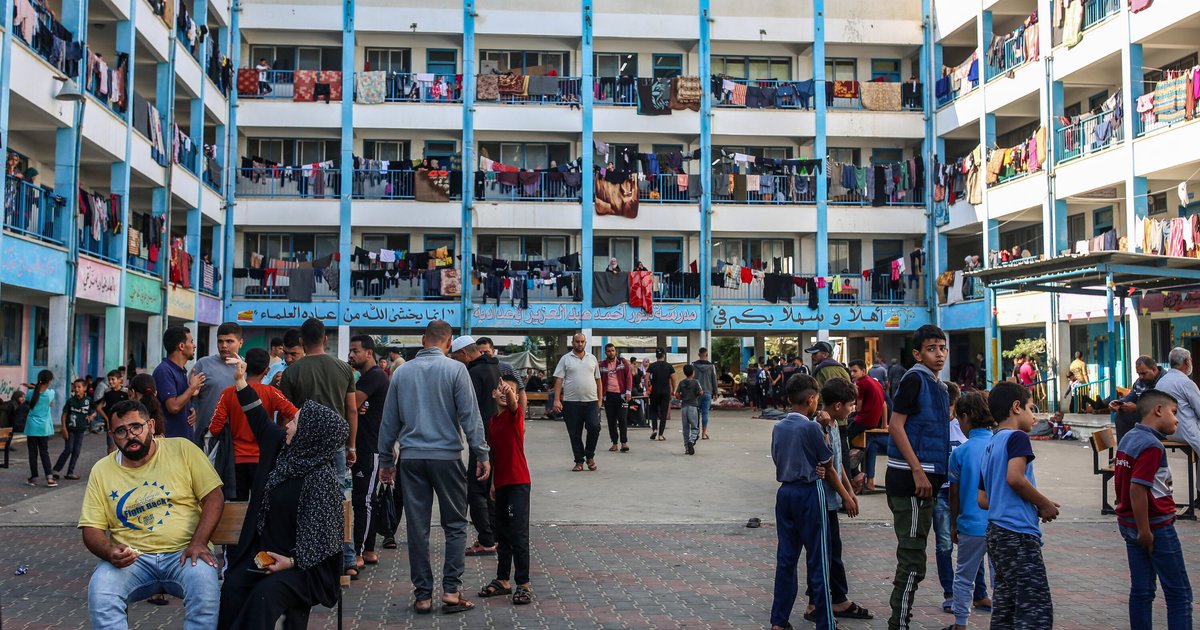
The Commissioner of the United Nations Relief and Works Agency for Palestine Refugees in the Near East (UNRWA) has warned that the suffering of Gaza's residents continues, indicating that the financial crisis facing the agency threatens its ability to provide essential services. This warning comes at a time when the region is suffering from dire humanitarian conditions, with millions living under the weight of the blockade and imposed restrictions.
In statements made during a press conference, the Commissioner confirmed that UNRWA is facing a significant financial deficit, hindering its ability to implement its relief programs. He pointed out that the situation in Gaza requires urgent support from the international community, especially given the increasing humanitarian needs.
Event Details
UNRWA was established in 1949 to provide assistance to Palestinian refugees, and the agency works to provide education, healthcare, and social relief. However, recurring financial crises threaten the continuity of these services. In recent years, financial pressures on the agency have increased, leading to the reduction of some vital programs.
In Gaza, more than two million people live in dire humanitarian conditions, with many suffering from shortages of food, water, and healthcare. The Commissioner noted that UNRWA is working hard to meet the needs of refugees, but it is in urgent need of financial support to ensure the continuity of its services.
Background & Context
Historically, Gaza has suffered from recurring humanitarian crises due to ongoing conflict and the imposed blockade. Since 2007, conditions in the region have significantly deteriorated, exacerbating economic and social crises. UNRWA, which relies on international donations, is struggling to secure the necessary funding to address these challenges.
In recent years, pressures on UNRWA have increased due to reduced support from some donor countries, intensifying the financial crisis. This has led to a reduction in services provided to refugees, worsening their daily suffering.
Impact & Consequences
The financial crisis affects UNRWA's ability to provide essential services, increasing the suffering of Palestinian refugees. If this crisis continues, many vital programs such as education and healthcare may face suspension, exacerbating the humanitarian situation in Gaza.
Moreover, the ongoing financial crisis could exacerbate social tensions in the region, as residents face increasing pressures due to resource shortages. This situation may contribute to rising public discontent, potentially leading to an outbreak of unrest in the future.
Regional Significance
The situation in Gaza is indicative of the humanitarian crises faced by many Arab countries. The ongoing suffering of Palestinians in Gaza highlights the urgent need for humanitarian and political support from Arab nations and the international community.
Additionally, the humanitarian crises in Gaza could impact regional stability, as they may lead to increased tensions in the area. Therefore, addressing these crises requires effective international and regional cooperation to ensure improvements in the humanitarian conditions in Gaza.
In conclusion, UNRWA continues to face significant challenges that require urgent support from the international community. The ongoing financial crisis threatens the agency's ability to provide essential services, necessitating swift action from donor countries to prevent further deterioration of humanitarian conditions in Gaza.