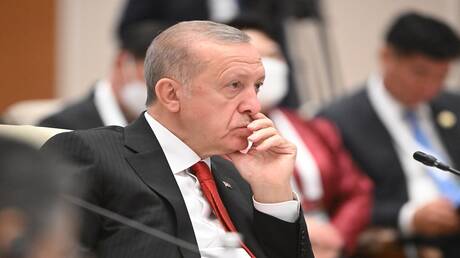
Turkish President Recep Tayyip Erdoğan has called on the international community to intensify its efforts to find a comprehensive solution to the ongoing conflict in the Middle East during a phone call with NATO Secretary General Mark Rutte. Erdoğan stressed that the conditions in the region require an urgent response from major countries and international organizations.
These statements come at a time when the region is witnessing an escalation of tensions and conflicts, necessitating effective international action. The Turkish president pointed out that quick and sustainable solutions are the only way to end the humanitarian suffering experienced by millions in the Middle East.
Details of the Event
During the call, Erdoğan addressed several issues related to security and stability in the region, emphasizing the importance of international cooperation in facing common challenges. He expressed concern over the worsening humanitarian crises in conflict areas such as Syria and Palestine, where civilians are suffering from the effects of ongoing wars.
Erdoğan also underscored the necessity of supporting peace and reconciliation efforts, indicating that military solutions would only exacerbate the situation. He called for enhancing dialogue among the various parties to achieve lasting peace.
Background & Context
Historically, the Middle East has witnessed numerous conflicts that have led to the disintegration of communities and increased suffering among civilians. For decades, there have been multiple attempts to resolve these conflicts; however, tensions remain, necessitating renewed efforts from the international community.
Turkey is considered a key player in the region, striving to enhance its role as a mediator in conflicts. Ankara has shown significant interest in Arab issues, especially amid the multiple crises affecting the region, highlighting the importance of Erdoğan's statements in this context.
Impact & Consequences
Erdoğan's call for the international community to enhance efforts to resolve the conflict in the Middle East may open the door for further cooperation among major countries. If major nations respond to this call, it could lead to new diplomatic initiatives aimed at ending ongoing conflicts.
Moreover, these statements may impact Turkey's relations with Western countries, as Ankara seeks to strengthen its position as an effective mediator in regional issues. A positive response from the international community could also bolster Erdoğan's domestic standing, as he faces political and economic challenges.
Regional Significance
Erdoğan's statements are significant for the Arab world, reflecting a shared concern regarding humanitarian crises and ongoing conflicts. Strengthening international efforts could contribute to improving conditions in Arab countries suffering from conflicts, such as Syria and Palestine.
Additionally, this call may encourage Arab nations to take more effective steps in supporting peace and reconciliation efforts, thereby enhancing the chances of achieving stability in the region.
In conclusion, hope remains pinned on the international community to respond to Erdoğan's call, as achieving peace in the Middle East requires collective efforts and effective international cooperation.