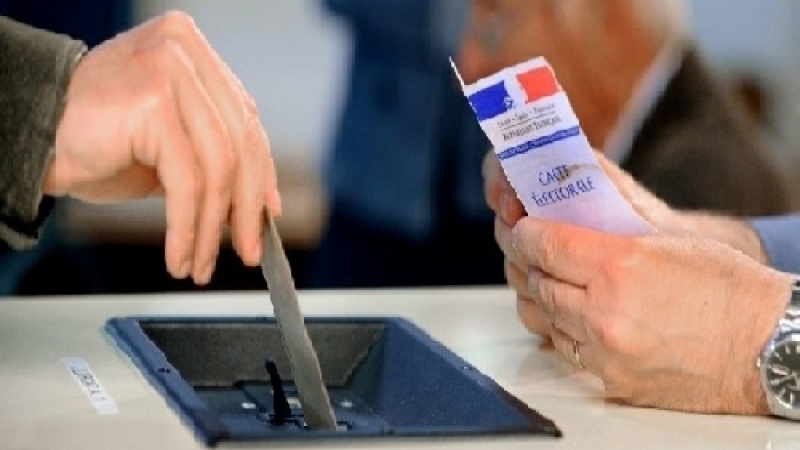
Following the conclusion of the second round of municipal elections in France, Regional Transformation Minister Sébastien Lecornu indicated in a message to mayors that the voter turnout was "very low," necessitating immediate actions to enhance interaction with citizens. Lecornu emphasized that this weak participation "forces us" to work in a tangible manner and closely with the citizens.
These statements come at a sensitive time, as the municipal elections have witnessed a significant decline in voter turnout, raising concerns within the government about the level of public interest in civic affairs. The results revealed that the turnout did not exceed 40%, marking a historic low.
Details of the Event
The municipal elections in France are significant political events that reflect voter trends and preferences. However, the recent results indicate a growing distrust between citizens and local authorities. Lecornu called for a rethinking of how to communicate with citizens, stating that the government must be closer to their needs and requirements.
In his message, Lecornu noted that the government would work on developing new strategies to enhance public participation in upcoming elections, including organizing local events and workshops aimed at involving citizens in decision-making processes.
Background & Context
Historically, municipal elections in France have seen a decline in voter turnout over recent years, reflecting a decrease in trust in the political system. Several factors have contributed to this decline, including economic and social crises that the country has faced, along with a widespread indifference towards politics among large segments of society.
Moreover, global political events, such as the COVID-19 pandemic, have also affected how citizens engage with elections. Studies have shown that many voters feel their voices are not heard, leading to diminished enthusiasm for participating in the democratic process.
Impact & Consequences
The decline in municipal election participation could have serious implications for the future of democracy in France. With lower turnout rates, the government may face increased pressure to make decisions that reflect the needs of citizens. This trend could also lead to heightened political polarization, as some voters may feel unrepresented in the government.
On the other hand, these results may influence upcoming elections, prompting politicians to adopt new strategies to attract voters. This may require a reevaluation of current policies and the development of new programs that meet community needs.
Regional Significance
These events in France serve as an indicator of the challenges facing democracies worldwide, including in Arab countries. Many Arab nations are grappling with similar issues related to declining political participation and distrust in institutions. It may be beneficial for Arab countries to learn from the French experience in enhancing public participation and building trust between citizens and authorities.
In conclusion, the decline in participation in French municipal elections represents a significant challenge for the government, necessitating urgent actions to enhance citizen engagement. Building trust in the political system requires ongoing efforts from all stakeholders involved.