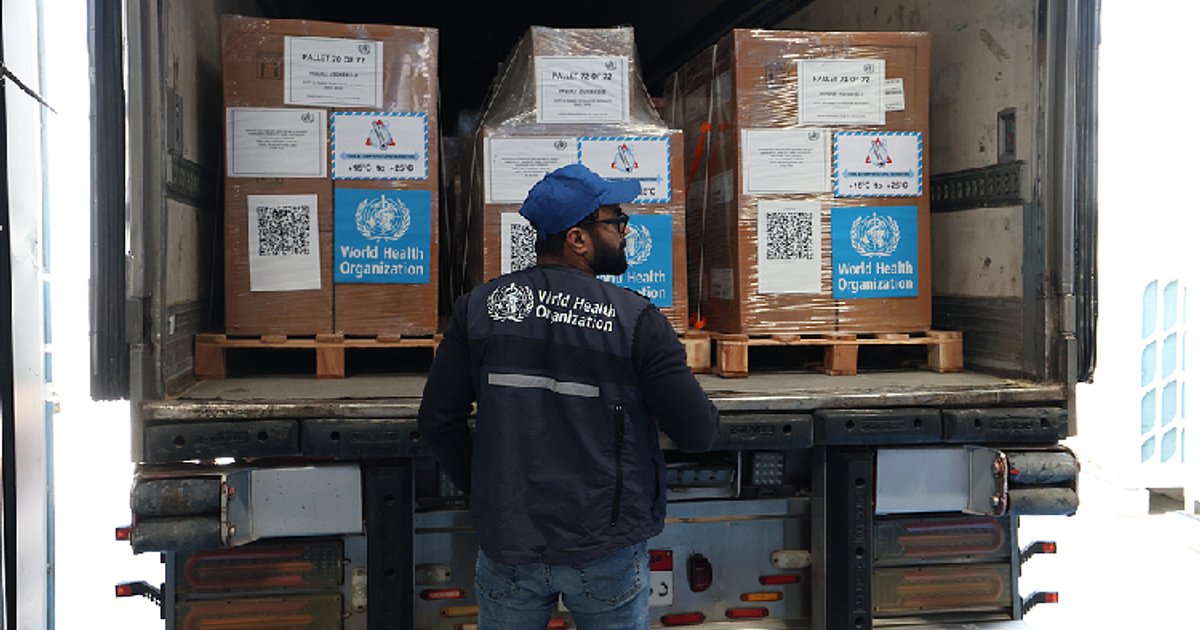
The World Health Organization (WHO) has announced an urgent call for $30.3 million to support health systems in five conflict-affected countries in the Middle East. This announcement comes at a critical time as these systems are experiencing severe pressures due to escalating violence over the past weeks.
The organization indicated that the health situation in these countries has reached critical levels, necessitating swift intervention to ensure the provision of essential healthcare to affected citizens. The targeted countries include areas suffering from ongoing conflicts, where health conditions have significantly deteriorated.
Details of the Urgent Call
The WHO clarified that the urgent call aims to provide the necessary support for health systems in these countries, which face significant challenges such as shortages of medicines and medical equipment, in addition to the deterioration of health infrastructure. The organization also confirmed that the increasing violence has directly impacted these systems' ability to deliver necessary healthcare.
The support plan includes the provision of essential medicines, strengthening hospital capacities, and training healthcare workers, which will contribute to improving the level of healthcare provided to those affected by conflicts.
Background & Context
Historically, the Middle East has witnessed numerous armed conflicts that have led to the deterioration of health conditions. Over the past years, there have been many humanitarian calls from various international organizations, yet the situations continue to worsen. Conflicts in countries such as Syria, Yemen, Libya, and Palestine have resulted in the spread of diseases and a lack of essential health services.
In recent years, the intensity of conflicts has increased, making it difficult for humanitarian organizations to provide the necessary assistance. Additionally, the economic and political crises in the region have exacerbated health conditions, making the WHO's recent call a necessary step.
Impact & Consequences
This call is considered an important step towards improving health conditions in the region, but it also highlights the urgent need for international support. If this call is not responded to, health conditions may deteriorate further, leading to the spread of diseases and increased mortality rates.
The potential consequences of this situation may include increased pressure on neighboring countries, as refugees from affected areas may flow in search of healthcare. Furthermore, the deterioration of health conditions could impact regional stability as a whole.
Regional Significance
This call represents an opportunity for Arab countries and the international community to collaborate to improve health conditions in the region. It is crucial that efforts are combined to provide the necessary support to affected countries, as improving public health can contribute to enhancing stability and development in the region.
In conclusion, the WHO's call reflects the urgent need for international intervention in health crises and should serve as a motivation for Arab countries and the international community to work together to improve health conditions in the Middle East.