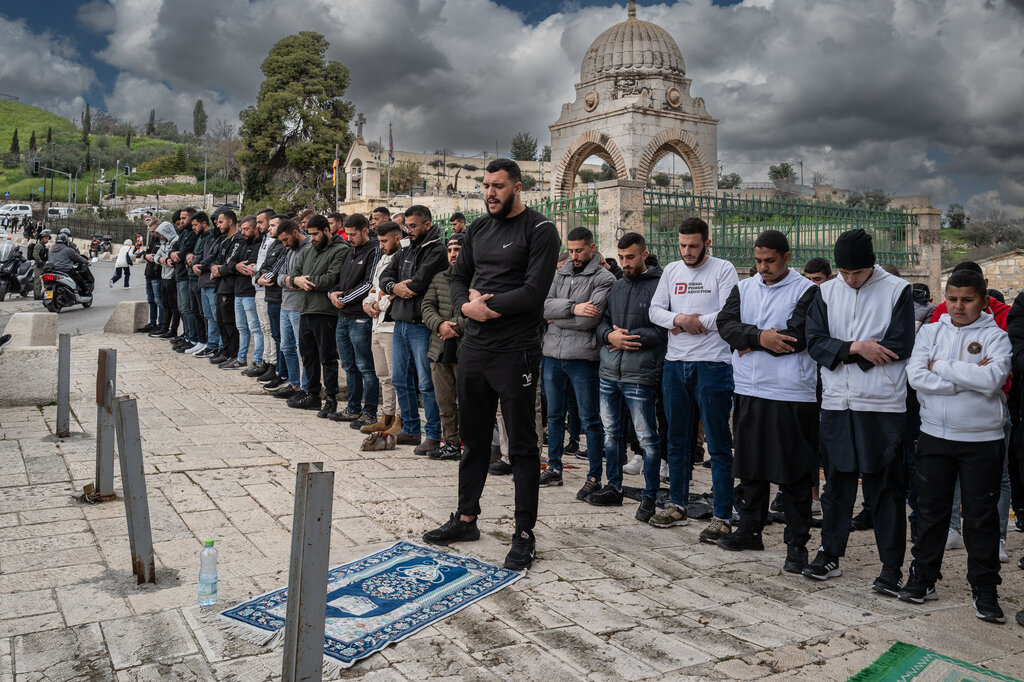
Calls for urgent Arab and Islamic action to save Al-Aqsa Mosque are increasing amid rising tensions in the region. This comes at a critical time as the mosque faces escalating threats.
Recently, Al-Aqsa Mosque has witnessed a significant escalation in violations, raising widespread concern among Arab and Islamic circles. Numerous human rights organizations have confirmed that these violations represent a direct threat to Jerusalem and its historical and religious significance.
Details of the Situation
Reports indicate that Israeli forces have increased their presence around Al-Aqsa Mosque, leading to heightened tensions between Palestinians and settlers. Surveillance cameras have documented numerous incidents involving repeated incursions into the mosque, raising fears about the implications of these actions on security and stability in the region.
Additionally, several Arab countries have issued statements calling for immediate action to protect Al-Aqsa Mosque, considering any aggression against it as an attack on all Muslims. These statements reflect a growing awareness of the importance of Al-Aqsa as a symbol of Islamic and Arab identity.
Background & Context
Al-Aqsa Mosque, regarded as the third holiest site in Islam, has a long and complex history. Since the occupation of Jerusalem in 1967, Al-Aqsa has become a focal point of conflict between Palestinians and Israelis. Recent years have seen an increase in tensions, as Israeli settlers seek to alter the status quo at the mosque.
Historically, there have been numerous attempts by the international community to resolve the dispute over Al-Aqsa, but these efforts have often been met with rejection from Israeli authorities. With the rise in violations, it has become essential for Arab and Islamic efforts to unite in protecting this religious landmark.
Impact & Consequences
The repercussions of the violations at Al-Aqsa extend beyond Palestine, affecting relations between Arab countries and Israel. Any escalation at Al-Aqsa could provoke strong reactions from the Arab street, potentially threatening stability throughout the region.
Furthermore, the continuation of these violations may negatively impact peace efforts in the area, increasing frustration among Palestinians and reinforcing feelings of resistance. These dynamics could lead to greater escalation in the conflict, necessitating urgent action from Arab nations.
Regional Significance
The issue of Al-Aqsa Mosque is central to the Arab world, representing a symbol of identity and belonging. Any aggression against Al-Aqsa could trigger a wave of protests in Arab countries, putting governments in a difficult position.
Moreover, Arab and Islamic action to protect Al-Aqsa could help unify ranks in the face of common challenges. This unity may be crucial in addressing the political and economic challenges currently facing Arab nations.
In conclusion, the current situation requires coordinated Arab and Islamic action to protect Al-Aqsa Mosque, as any delay could exacerbate conditions. Preserving Al-Aqsa is a collective responsibility that necessitates the concerted efforts of all Arab and Islamic countries.