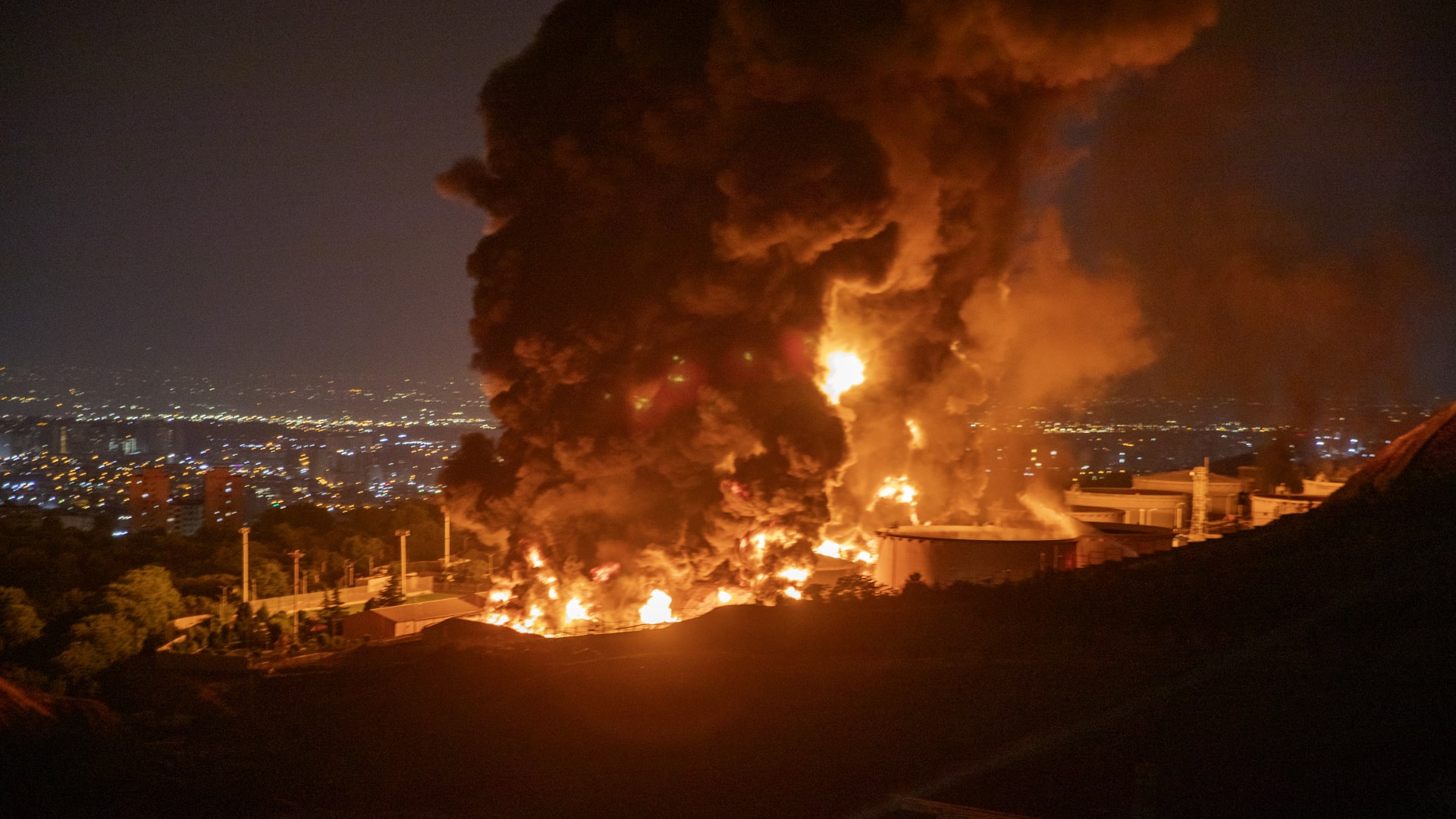
Ali Al-Amin, a member of the Muslim Council of Elders, stated that Iranian aggressions against Gulf states contradict the religious and historical ties that bind the peoples of the region. Al-Amin stressed the urgent need for the international community to act swiftly to stop this war and work towards finding solutions that contribute to ending its serious consequences.
In his statements, Al-Amin pointed out that the ongoing conflict in the region threatens security and stability, leading to worsening humanitarian crises. He called for a concerted international effort to find peaceful solutions that ensure these conflicts do not recur in the future.
Details of the Event
Al-Amin's remarks come at a time when the region is witnessing escalating tensions, as Iran continues to implement policies that are considered a threat to regional security. In recent years, there has been an increase in Iranian aggressions against Gulf states, resulting in strong reactions from these countries and the international community.
Al-Amin believes that Iranian aggressions are not merely military actions but also violations of the cultural and religious ties that unite the peoples of the region. He affirmed that these actions do not reflect the humanitarian and religious values that should prevail in relations between states.
Background & Context
Historically, relations between Iran and Gulf states have been tense, especially following the Islamic Revolution in Iran in 1979. These tensions have significantly increased after Iran's interference in the internal affairs of Arab countries, leading to escalating crises in Iraq, Syria, and Yemen.
The conflict in the region has also affected the economic and political relations between Gulf states and Iran, as Gulf countries seek to enhance their security and stability in the face of increasing Iranian threats. Numerous reports have shown that these tensions directly impact regional security and exacerbate conflicts.
Impact & Consequences
The repercussions of Iranian aggressions against Gulf states extend beyond military dimensions, directly affecting the economy and food security in the region. These tensions have led to rising oil prices, negatively impacting the economies of the concerned countries.
Moreover, the continuation of the conflict may exacerbate humanitarian crises, with civilians suffering from the effects of war, including displacement and poverty. This reflects the urgent need for peaceful solutions that ensure stability in the region.
Regional Significance
Iranian aggressions against Gulf states pose a threat to Arab security in general, affecting the stability of neighboring countries and intensifying conflicts. Arab countries must cooperate more to face these challenges by enhancing dialogue and security cooperation.
In conclusion, Al-Amin's call to halt Iranian aggressions comes at a critical time when the world needs to unite efforts to find effective solutions that contribute to achieving peace and stability in the region. Strengthening the religious and cultural ties between the peoples of the region is the only way to achieve lasting security.