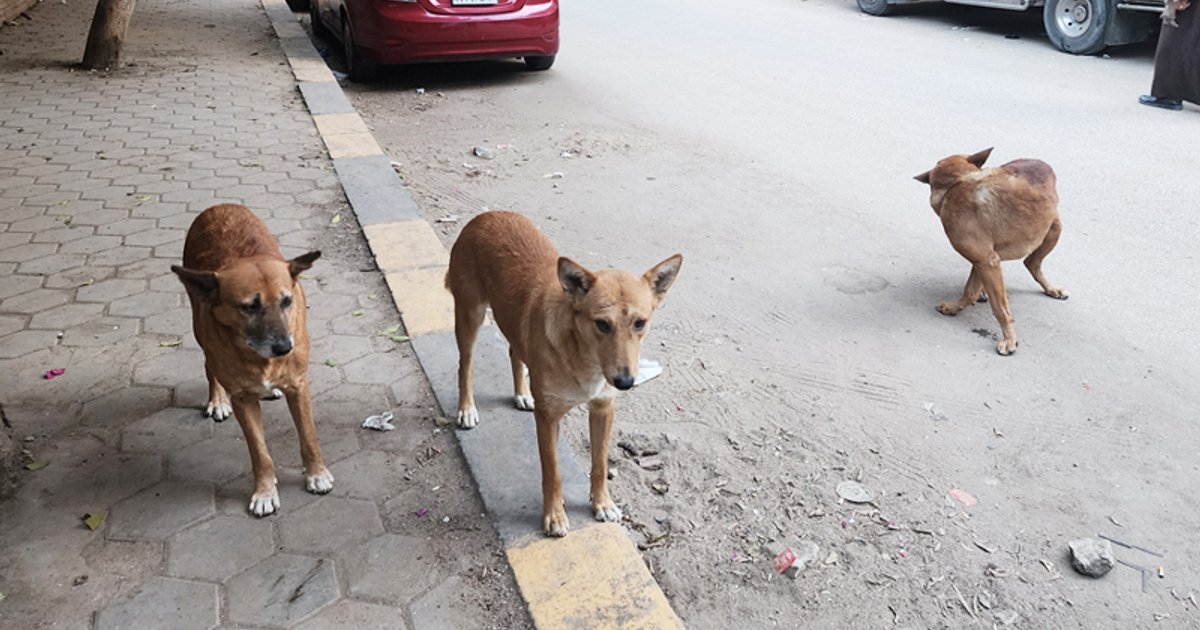
The Egyptian Ministry of Agriculture has issued an urgent decision regarding the management of 19,000 dogs in Cairo and other governorates, aiming to regulate health and environmental conditions. This decision is part of the ministry's efforts to tackle challenges associated with stray animals.
The decision targets the organization of the handling of stray dogs, which pose a significant challenge in some areas, necessitating effective measures to ensure the safety of citizens and maintain public health.
Details of the Initiative
The measures announced by the Ministry of Agriculture include implementing vaccination and sterilization programs, in addition to establishing shelters for stray dogs. Collaboration with civil society organizations and relevant authorities will be sought to ensure the effective implementation of these programs.
This step comes at a time when some areas are suffering from an increase in the number of stray dogs, leading to health and security risks. The ministry has confirmed that these measures aim to improve the environmental and health situation in the community.
Background & Context
Historically, the issue of stray dogs has posed a significant challenge in Egypt, with a noticeable increase in the number of these animals in recent years. This issue has raised concerns among citizens, especially in urban areas where dogs are prevalent.
In past years, the government has attempted various measures to address this problem, including awareness campaigns and sterilization efforts. However, these efforts have not been sufficient to curb the rising numbers, prompting the need for more comprehensive actions.
Impact & Consequences
The new decision is expected to contribute to improving the health and environmental situation in areas affected by the presence of stray dogs. It may also lead to a reduction in incidents of attacks by these animals, thereby enhancing citizens' sense of security.
Moreover, the implementation of vaccination and sterilization programs can help reduce the spread of diseases associated with dogs, such as rabies, thereby promoting public health in the community.
Regional Significance
The issue of stray animals is a common problem in many Arab countries, where governments face similar challenges in managing this phenomenon. The steps taken by Egypt may encourage other countries to adopt similar policies to address this issue.
Through cooperation with non-governmental organizations and civil society associations, Arab countries can exchange experiences and develop effective strategies to deal with stray dogs, contributing to improving environmental and health conditions in the region.
In conclusion, the decision by the Ministry of Agriculture represents an important step towards addressing the issue of stray dogs in Egypt and reflects the government's commitment to improving public health and the environment. Citizens look forward to seeing positive results from these measures in the near future.