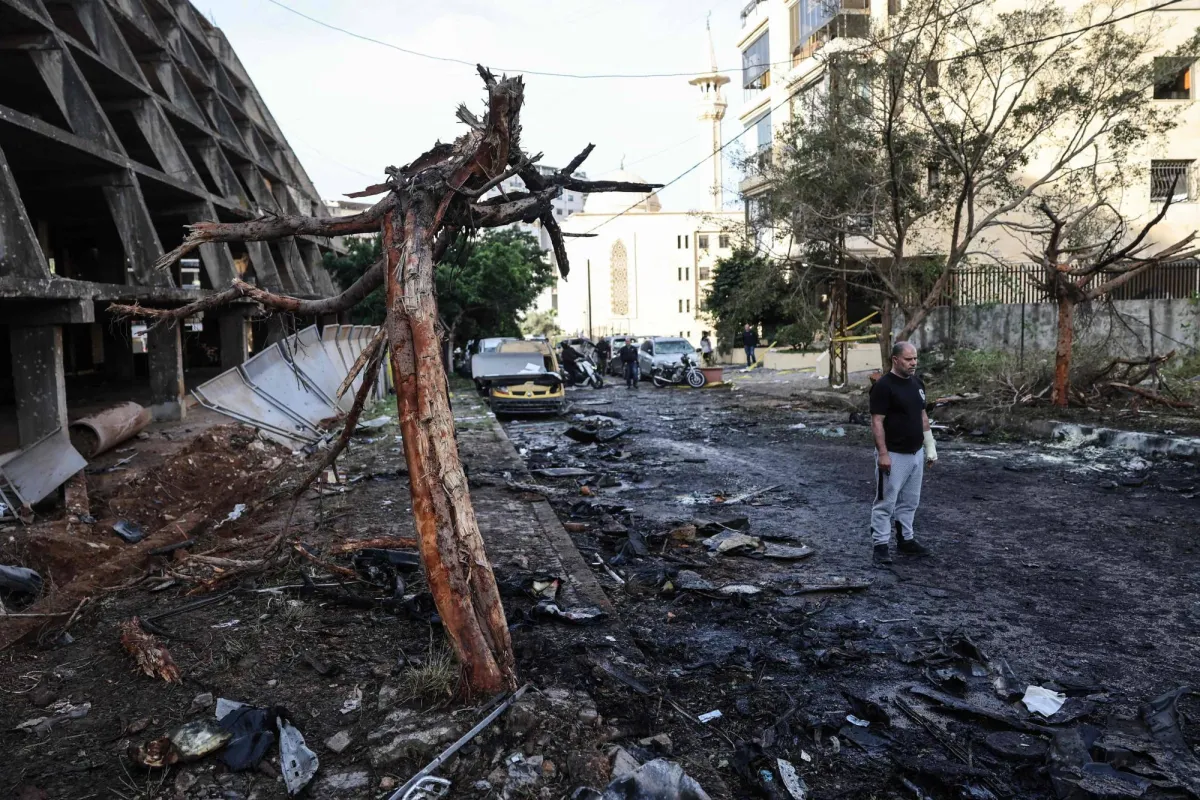
The Israeli army issued a new warning today, Friday, to residents of southern Beirut, calling for the evacuation of several areas. This warning comes at a time when the intensity of Israeli bombardments on Lebanon is increasing, resulting in the deaths of more than 1,345 people and injuring 4,040 others since the beginning of military operations on March 2.
Israeli army spokesperson, Avichai Adraee, wrote on the platform 'X': "An urgent warning to residents of southern Beirut, particularly in the neighborhoods: Haret Hreik, Ghobeiri, Lilaki, Hadath, Burj Barajneh, Tahwita al-Ghadir, and Shiyah." Adraee confirmed that the army continues to target the military infrastructure belonging to 'Hezbollah' throughout southern Beirut.
Details of the Incident
Concerns are growing regarding the impact of Israeli military operations on civilians in Lebanon, as the Director of the International Organization for Migration, Amy Pope, warned of the potential for long-term displacement. She noted that more than one million people have fled their homes due to the bombardments, causing widespread destruction in the affected areas.
In her statements to Agence France-Presse, Pope said: "I believe these indicators are very concerning, given the level of destruction occurring... and the additional destruction that has been threatened." She continued: "There are areas in the south that are being completely leveled... even if the war ends tomorrow, this destruction will remain, and there will be a need for reconstruction."
Background & Context
The war in the Middle East began on March 2 after 'Hezbollah' fired missiles at Israel in response to the assassination of Iranian Supreme Leader Ali Khamenei. Since then, Israel has retaliated with extensive airstrikes on Lebanon, exacerbating the humanitarian situation in the country.
Lebanese authorities have recorded over one million displaced individuals, with more than 136,000 of them residing in collective shelters. Reports indicate that displacement may continue for an extended period, increasing pressure on Lebanon's infrastructure and essential services.
Impact & Consequences
The Lebanese government anticipates that the massive displacement will lead to significant economic contraction, as Economy Minister Amer Al-Basat pointed out a decline in remittances by over 5%, with expectations of a drop to 15% in the near future. He also noted rising unemployment rates and deteriorating economic indicators.
Attention is focused on how the Lebanese government will address the deteriorating humanitarian and economic conditions, as reconstruction requires sufficient funding and resources, in addition to political and security stability.
Regional Significance
The ramifications of the conflict in Lebanon extend beyond its borders, affecting regional stability. The increase in displacement and destruction in Lebanon raises concerns in neighboring countries and intensifies pressure on Arab governments to manage the influx of refugees and humanitarian aid.
In conclusion, the situation in Lebanon remains complex, with military, humanitarian, and economic dimensions intertwining, necessitating an urgent response from the international community to ensure the protection of civilians and provide necessary support.