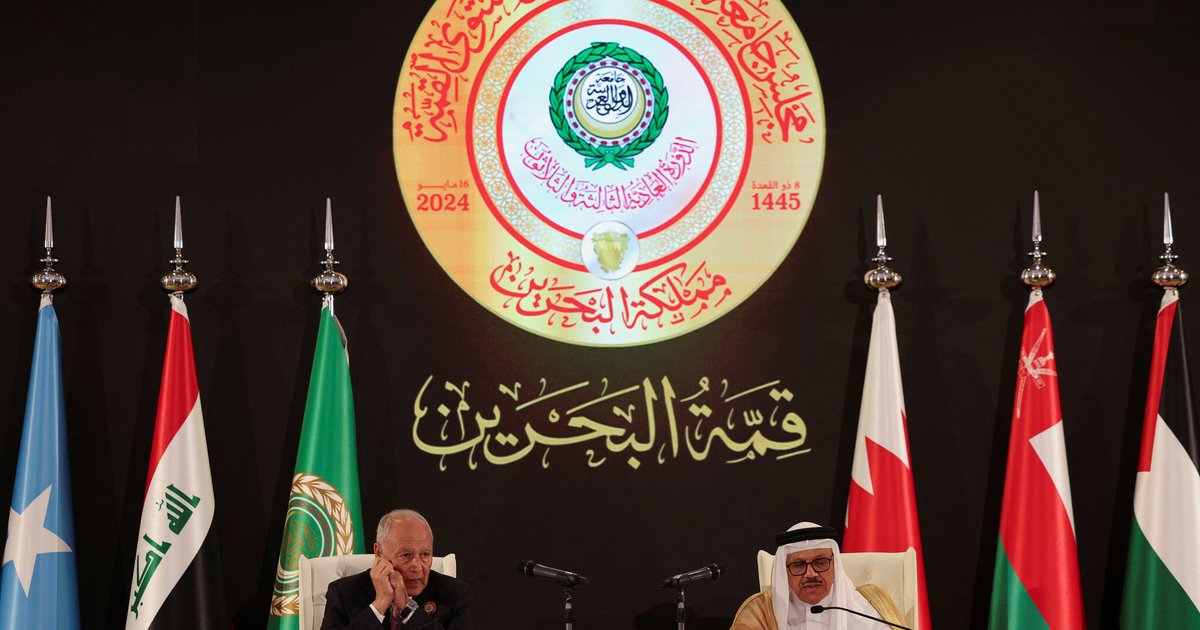
The 'Arab and Islamic Summit Committee' convened an emergency meeting in the Jordanian capital, Amman, aimed at discussing ways to halt the ongoing Israeli aggression against the Gaza Strip. This meeting occurs at a time when the situation in the region is escalating, with Gaza facing intense military operations by Israeli forces, resulting in numerous casualties and widespread destruction of infrastructure.
The committee, which includes representatives from Arab and Islamic countries, seeks to coordinate diplomatic efforts to cease hostilities and achieve an immediate truce. During the meeting, the necessity of taking urgent steps to protect civilians in Gaza and provide essential humanitarian aid was emphasized.
Details of the Meeting
The meeting saw the participation of several foreign ministers and heads of delegations from member states, where the current situation in Gaza and the humanitarian challenges facing the region were reviewed. The importance of Arab and Islamic unity in confronting common challenges and supporting the rights of the Palestinian people to self-determination was also underscored.
It is expected that this meeting will result in a set of recommendations to be submitted to the upcoming Arab Summit, which will be held later this year. The possibility of forming a follow-up committee to monitor the implementation of the decisions taken was also discussed.
Background & Context
Historically, Gaza has witnessed numerous military escalations; however, the current situation is considered one of the most severe periods. The ongoing Israeli aggression for several weeks has exacerbated the humanitarian situation, with residents suffering from severe shortages of food, water, and healthcare.
International efforts to halt the aggression have not yielded tangible results so far, prompting Arab and Islamic countries to adopt a firmer stance. This meeting followed diplomatic moves by some Arab nations that attempted to mediate between the concerned parties.
Impact & Consequences
If a ceasefire agreement is reached, it could help alleviate the humanitarian suffering in Gaza and restore hope to the residents living under the burden of war. Additionally, the success of the meeting could enhance the position of Arab and Islamic countries on the international stage, demonstrating their ability to unite in the face of challenges.
Conversely, the continuation of the aggression may lead to worsening conditions and increase polarization in the region, which could negatively impact regional security and stability.
Regional Significance
The situation in Gaza directly affects neighboring countries, as the influx of refugees into adjacent Arab nations increases, placing additional pressure on those countries. Furthermore, the ongoing conflict may escalate tensions among different Palestinian factions, complicating national reconciliation efforts.
Ultimately, hope remains pinned on the outcomes of this meeting, as Arab and Islamic peoples look forward to tangible steps that contribute to ending the suffering of the Palestinian people and achieving lasting peace in the region.