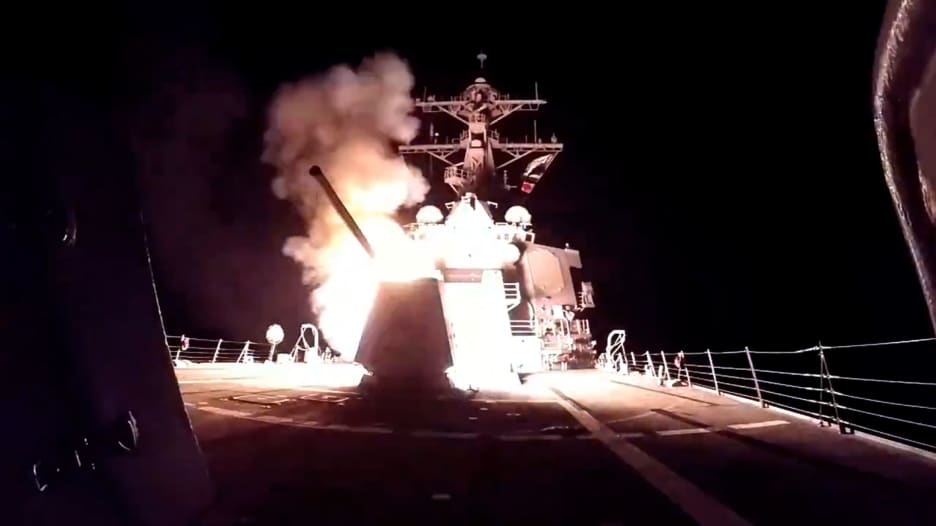
U.S. Secretary of State Marco Rubio stated that the United States will successfully achieve its military objectives against Iran within weeks, not months. These remarks come at a sensitive time as tensions between Washington and Tehran rise, raising concerns in the region.
These statements are part of a broader strategy aimed at enhancing the U.S. military presence in the Middle East, amid fears regarding Iran's nuclear activities and its support for armed groups in the region. Such activities have alarmed many countries, including U.S. allies in the area.
Details of the Announcement
Rubio spoke during a press conference, clarifying that the United States is implementing military plans aimed at undermining Iranian influence in the Middle East. He noted that military operations may include precise strikes targeting Iranian military facilities, along with strengthening cooperation with regional allies to counter Iranian threats.
Rubio also emphasized that the United States will continue to closely monitor Iranian activities and is prepared to take swift action if necessary. These statements come at a time when international pressure on Iran is increasing due to its nuclear program, which many countries view as a threat to regional and international security.
Background & Context
Historically, relations between the United States and Iran have been tense since the Islamic Revolution in 1979. These relations have seen a notable escalation in recent years, especially after the U.S. withdrawal from the Iranian nuclear deal in 2018. Since then, Washington has imposed strict economic sanctions on Tehran, significantly impacting the Iranian economy.
In recent years, Iran has increased its military activities in the region, including its support for armed groups in Iraq, Syria, and Lebanon. This has prompted the United States to bolster its military presence in the area as it seeks to counter Iran's growing influence.
Impact & Consequences
If the United States succeeds in achieving its military objectives against Iran, it could lead to a radical shift in the balance of power in the Middle East. This may affect relations between the United States and its allies in the region, as some may feel concerned about the escalation of military tensions.
On the other hand, military operations could escalate the conflict in the region, negatively impacting security and stability. Additionally, any military escalation could lead to severe humanitarian consequences, especially given the difficult economic conditions many countries in the region are facing.
Regional Significance
Neighboring Arab countries such as Iraq, Syria, and Lebanon are among the most affected by the tensions between the United States and Iran. Any military escalation could destabilize these countries, increasing the suffering of their populations and complicating humanitarian situations.
Moreover, Arab countries with close ties to the United States may find themselves in a difficult position, having to balance support for their traditional ally with concerns about Iranian reactions. Under these circumstances, the region remains on alert, as everyone anticipates the outcomes of upcoming developments.
In conclusion, Rubio's statements regarding the achievement of U.S. objectives against Iran within weeks reflect an ambitious military strategy, but they carry significant risks that could affect security and stability in the region.