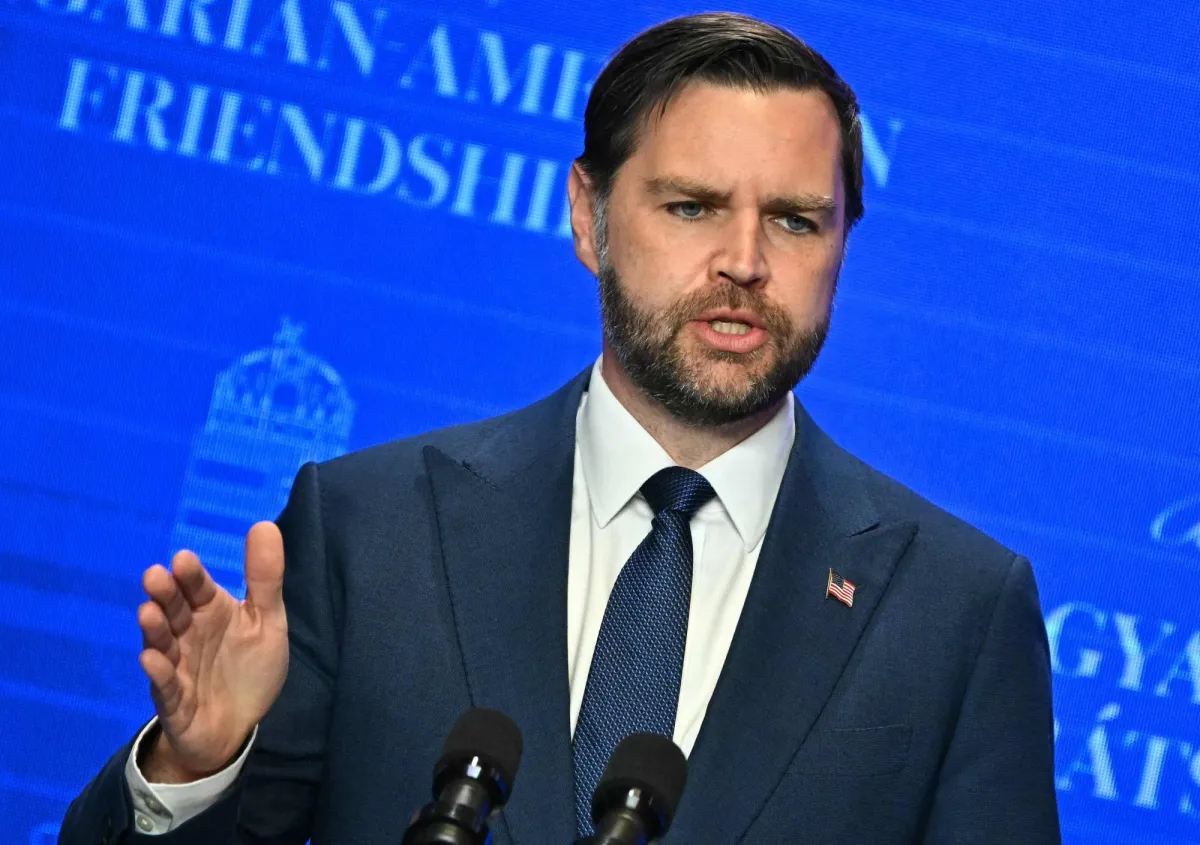
U.S. Vice President J.D. Vance announced today that the United States has largely achieved its military objectives in Iran, according to Reuters. Vance confirmed that the coming hours will see intense negotiations regarding the Iranian situation, indicating that Washington possesses tools that have yet to be utilized in dealing with Tehran.
In a related context, Vance noted that America is confident in receiving a response from Iran by 8 PM. The administration of former President Donald Trump had set a deadline for Iran that ends at midnight Tuesday GMT to end the closure of the Strait of Hormuz, a strategic waterway for the transport of oil and goods.
Event Details
Trump stated that the proposed temporary ceasefire currently being discussed is insufficient, prompting Iran to reject U.S. pressures. Iranian state media reported that authorities insist on a complete end to the war rather than merely a ceasefire. In a dramatic escalation, Trump warned that "a whole civilization will perish tonight, and it will never return," indicating that while he does not wish for this to happen, it is "likely to occur."
On his platform, Truth Social, Trump wrote that the world is facing "one of the most important moments in its long and complex history," explaining that achieving a "complete and comprehensive regime change" could lead to the emergence of "smarter and less extremist minds." He affirmed that "47 years of extortion, corruption, and death will finally come to an end," concluding his message with, "God bless the great people of Iran!"
Background & Context
These developments come at a sensitive time, as Iranian infrastructure has sustained damage due to U.S.-Israeli airstrikes, resulting in damage to at least two bridges and power outages in parts of the cities of Karaj and Ferdows. All train services to and from Mashhad, Iran's second-largest city, have been canceled following Israeli warnings regarding the use of rail lines.
It is noteworthy that Trump threatened Iran with the destruction of bridges and power stations if it does not open the Strait of Hormuz by the specified deadline. Reports have indicated that the airstrikes resulted in casualties, further complicating the situation in the region.
Impact & Consequences
These events represent a significant escalation in tensions between the United States and Iran, which could exacerbate conditions in the region. The use of military force against Iran may provoke strong reactions from Tehran, increasing the likelihood of a larger conflict in the Middle East.
Additionally, these developments could impact global oil markets, as the Strait of Hormuz is a vital point for oil transport. Any potential closure of the strait could lead to rising oil prices and increased economic tensions in importing countries.
Regional Significance
These events directly affect neighboring Arab countries, especially those that rely on regional stability for their trade and economy. The escalation of tensions could lead to an influx of refugees and heightened security risks in Gulf states.
In conclusion, the situation in Iran remains a focal point for the world, as concerns grow over the repercussions of any potential military escalation. Upcoming negotiations may be crucial in determining the course of events in the region.