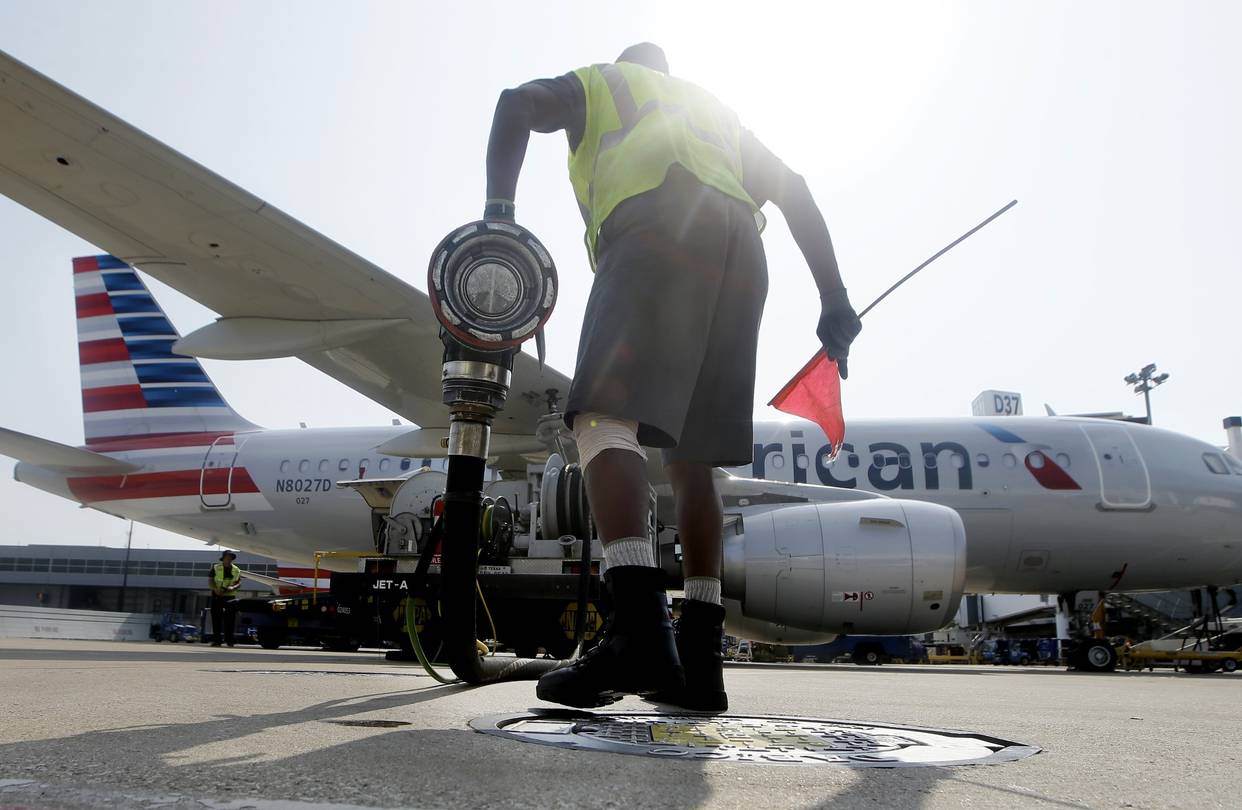
U.S. airlines are suffering from an increasing financial crisis due to the significant rise in fuel prices, threatening their financial stability and presenting new challenges. This situation arises as these companies seek to recover from the repercussions of the COVID-19 pandemic, which heavily impacted the aviation industry.
According to reports, fuel prices have seen a notable increase, placing additional pressure on airlines that had hoped for a rebound after a long period of stagnation. This price hike could lead to reduced profit margins, making it difficult for companies to continue providing services at the same quality.
Details of the Situation
Data shows that fuel prices have risen by as much as 30% compared to last year, putting airlines in a tough position. Many companies have already begun implementing austerity measures, such as reducing the number of flights or increasing ticket prices, in an attempt to adapt to these challenging economic conditions.
Additionally, some airlines may resort to new technologies to improve fuel efficiency, such as using modern aircraft that consume less fuel. However, these solutions require significant investments that may not be feasible at this time.
Background & Context
Historically, the U.S. aviation industry has faced numerous financial crises, but the current fuel crisis is considered one of the most impactful. In 2008, airlines encountered a similar crisis when oil prices surged dramatically, leading to the bankruptcy of several companies. These historical experiences present new challenges for airlines, as they must learn from past mistakes.
Moreover, the COVID-19 pandemic has left deep scars on the industry, with passenger numbers dropping significantly, compelling companies to rely more on a swift recovery. However, the rise in fuel prices could hinder this recovery and lead to further financial pressures.
Impact & Consequences
Many analysts predict that this crisis will lead to significant changes in the aviation industry, as companies may be forced to reevaluate their strategies. We may witness mergers or acquisitions among airlines in an effort to survive under these tough conditions.
Furthermore, this crisis could affect airline ticket prices, potentially making travel more expensive for consumers. This situation may lead to a decrease in demand for air travel, exacerbating the financial crisis faced by airlines.
Regional Significance
For the Arab region, this crisis may also impact regional airlines, as many of these companies rely on imported fuel. The rise in fuel prices could lead to increased operating costs, negatively affecting ticket prices and impacting travel and tourism flows.
Arab airlines may face similar challenges, requiring them to take proactive steps to adapt to these conditions. In light of these circumstances, enhancing cooperation among Arab companies may be essential for sharing expertise and developing effective strategies to tackle these challenges.