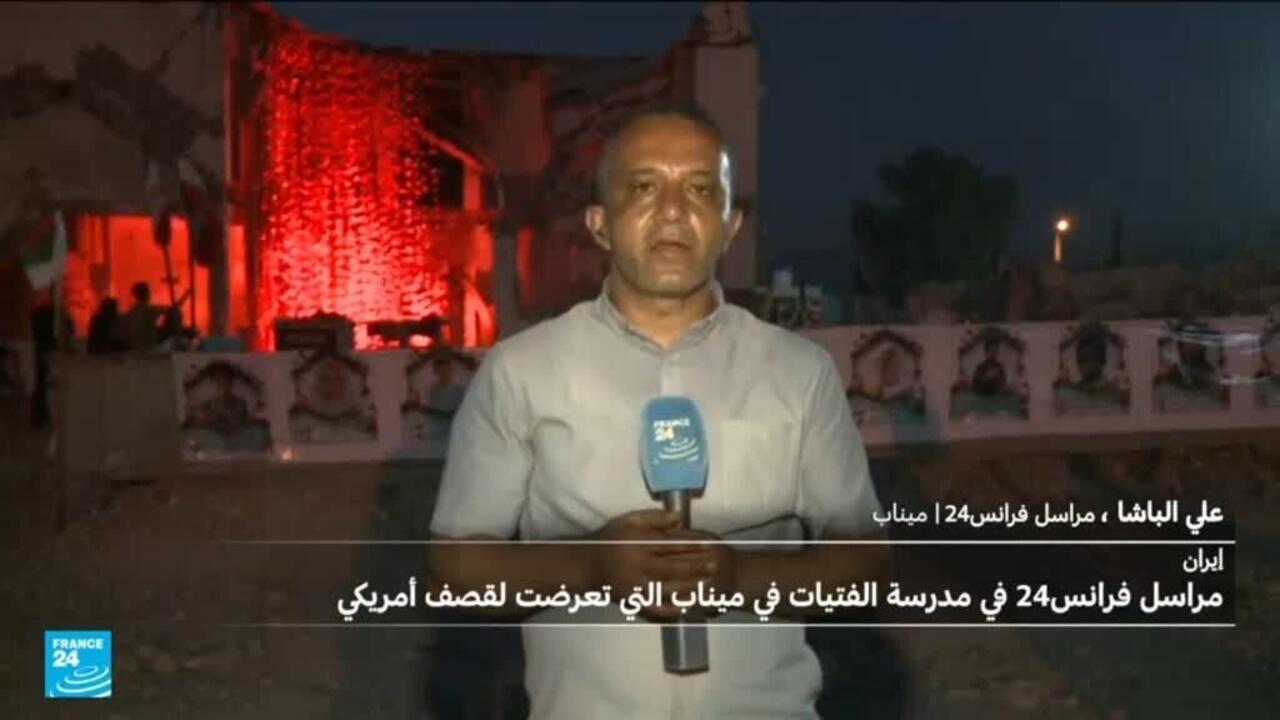
A reporter from France 24, Ali Al-Basha, visited the Minab Girls' School located in southern Iran, which was struck by a US airstrike at the beginning of the war, leading to the tragic loss of 170 lives, the majority of whom were schoolgirls. This heartbreaking incident highlights the profound impact that wars have on education and women's rights in the region.
The Iranian government is now working to transform the school into a museum dedicated to the memory of the girls who lost their lives in this attack. This initiative is part of Iran's efforts to shed light on the suffering of civilians during armed conflicts and to raise awareness about women's rights and education in conflict zones.
Details of the Incident
The Minab Girls' School was a symbol of hope and education in the area, but the US airstrike turned it into a site of tragedy. The attack that occurred at the war's outset was not merely an assault on a building; it was an attack on the future of the girls who were striving for an education. Statistics indicate that most of the victims were students, reflecting the impact of conflicts on the most vulnerable segments of society.
Iran is now seeking to convert this school into a museum, a project aimed at commemorating the victims and educating future generations about the importance of peace and human rights. This museum will feature exhibits related to the incident, as well as information about the history of education in Iran and the effects of wars on women.
Background & Context
The history of conflicts in the region is filled with tragic events that have affected education and women's rights. For decades, Iran has witnessed wars and conflicts that have resulted in the loss of many lives and the destruction of educational infrastructure. This airstrike is not an isolated incident but part of a series of attacks on schools and educational facilities in conflict areas.
In recent years, there have been increasing calls from the international community to protect schools and educational facilities during armed conflicts. These calls are part of global efforts to ensure the right to education for all, especially in regions suffering from wars.
Impact & Consequences
The impact of this airstrike goes beyond numbers and statistics. The incident has left a deep psychological scar on the local community, as many families lost their daughters in this attack. Education, which is considered a fundamental right, has faced significant pressures due to conflicts, increasing the challenges girls face in accessing education.
Transforming the school into a museum could be a positive step towards raising awareness about the importance of education and women's rights. This project could inspire other communities facing similar conflicts and bolster efforts for peace and reconciliation.
Regional Significance
This incident serves as a stark reminder of the difficult situation many Arab countries face amid conflicts. In areas like Syria and Yemen, schools and educational facilities have also been bombed, adversely affecting the future of upcoming generations. These events underscore the urgent need to protect education as a fundamental right worldwide.
Turning the Minab School into a museum could serve as a model in the region, helping to promote dialogue about human rights and education, and enhancing international efforts to protect children in conflict zones.