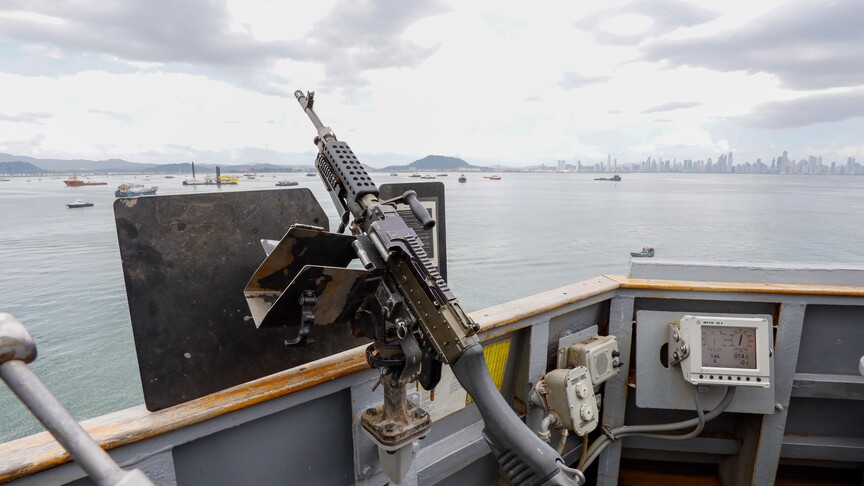
In a new step within its efforts to combat drug trafficking, U.S. forces conducted an airstrike on a ship believed to be used for smuggling drugs in the Eastern Pacific. The strike resulted in the deaths of two individuals, according to a spokesperson for the U.S. Southern Command.
The Southern Command confirmed that there were no injuries reported among U.S. forces, reflecting the success of the operation in achieving its objectives without endangering the lives of soldiers. This operation is part of a broader strategy to combat drug trafficking, which poses a threat to regional and international security.
Details of the Operation
The operation took place late Tuesday evening, targeting the ship after it was spotted engaging in suspicious activities in international waters. U.S. forces utilized drones and bombers to carry out the strike, showcasing the advancement of military technology employed in maritime operations.
This airstrike is part of an ongoing campaign against drug trafficking, as criminal activities in the region have surged due to increased demand for drugs in the United States and Europe. Reports indicate that drug smuggling across the Pacific has seen a significant rise in recent years.
Background & Context
Historically, the Eastern Pacific has been a hub for drug trafficking operations, with criminal gangs exploiting the vast expanses of water to evade surveillance. These activities have led to a widespread drug addiction crisis in many countries, prompting governments to take stringent measures to combat this phenomenon.
In recent years, the United States has increased its military presence in the region, enhancing cooperation with partner nations to combat drug trafficking. This cooperation includes intelligence sharing and joint training exercises, bolstering the capabilities of forces to address the escalating threats.
Impact & Consequences
This airstrike represents a significant step in the U.S. efforts to combat drug trafficking, contributing to undermining the capabilities of criminal gangs. It also reflects the United States' commitment to the security and stability of the region, which may lead to improved relations with neighboring countries facing similar issues.
While these operations may reduce drug trafficking activities, they also raise questions about the effectiveness of military strategies in addressing the root causes of the problem. A comprehensive approach is required, encompassing awareness, education, and support for affected communities.
Regional Significance
As the United States focuses on combating drug trafficking in the Pacific, Arab countries must be aware of similar challenges they face. With the increasing demand for drugs in the region, Arab governments need to enhance their efforts to combat this phenomenon through regional and international cooperation.
Furthermore, strengthening cooperation between Arab nations and the United States in drug control can contribute to achieving security and stability in the region. Comprehensive strategies must be developed to address all aspects of the problem, including awareness and education.