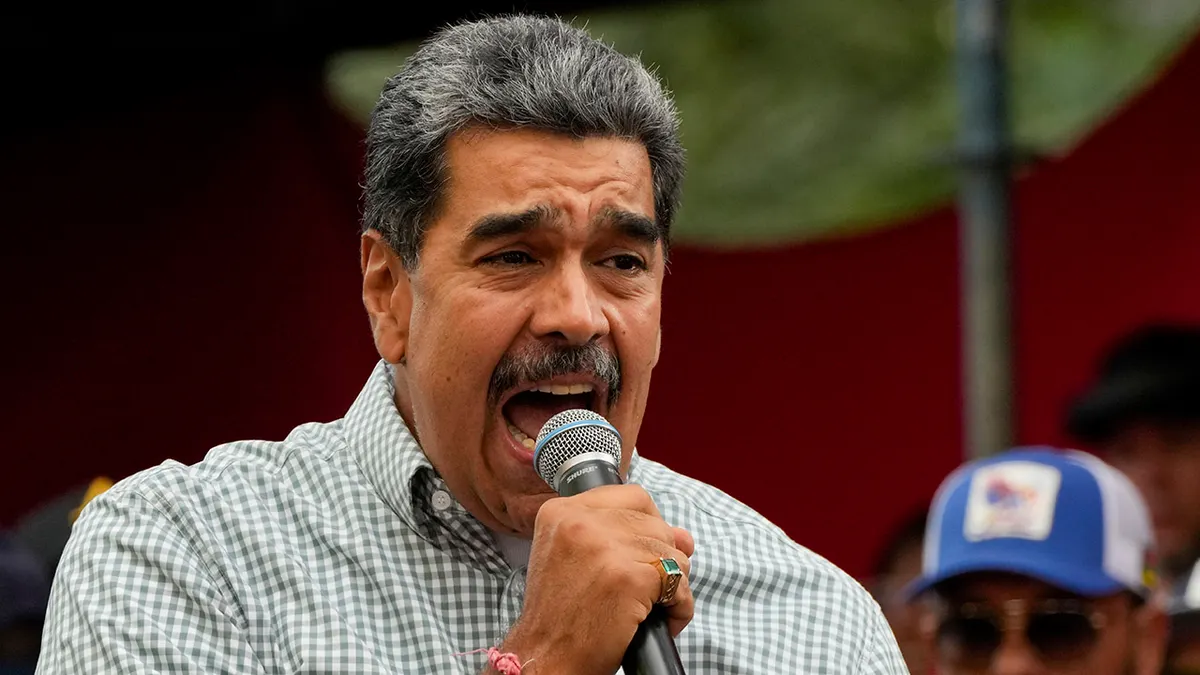
The United States has announced a decision that allows Venezuela to pay the legal fees of President Nicolás Maduro, representing a significant shift in American policy towards the Venezuelan government. This move comes amid the economic and political crises plaguing Venezuela, which have exacerbated the social conditions within the country.
This decision is seen as a signal of potential easing of the economic pressures imposed on Venezuela, as Washington had previously enforced strict sanctions against the Venezuelan government in recent years. It appears that the American administration is seeking ways to negotiate with Caracas, despite ongoing tensions between the two sides.
Details of the Decision
The American decision permits Venezuela to use frozen funds in American banks to pay the lawyers representing Maduro in legal cases. These funds had been frozen as part of the sanctions imposed on the Venezuelan government, making it difficult for Caracas to defend itself in international courts.
This step follows a series of talks between American and Venezuelan officials, as both sides seek to find common ground for negotiating outstanding issues. Observers note that this move could open the door to further understanding between the two countries in the future.
Background & Context
The history of relations between the United States and Venezuela is fraught with tensions, with recent years witnessing an escalation in American sanctions against Caracas due to human rights violations and corruption. However, the deteriorating economic situation in Venezuela may prompt Washington to reevaluate its strategy.
Venezuela is suffering from a crippling economic crisis, with inflation rates soaring to unprecedented levels, leading to a decline in living standards. In this context, allowing the payment of legal fees is a significant step to assist the Venezuelan government in defending itself against the legal challenges it faces.
Impact & Consequences
This move could improve the Venezuelan government's position in international courts, potentially alleviating some of the pressures it faces. Additionally, this decision may pave the way for further cooperation between the United States and Venezuela in the future, despite existing challenges.
On the other hand, this step may provoke criticism from certain factions within the United States, who view any form of cooperation with Maduro as support for his regime. Therefore, it will be important to monitor the political reactions in Washington to this decision.
Regional Significance
The relations between the United States and Venezuela hold particular importance for the Arab region, as they may influence Arab countries' policies towards Caracas. Given the economic and political crises faced by many Arab nations, there may be lessons learned from Venezuela's experience in dealing with international pressures.
Furthermore, this move could strengthen the position of countries seeking greater independence in their foreign policies, potentially contributing to shifts in regional dynamics.
In conclusion, allowing Venezuela to pay Maduro's legal fees represents a new step in American-Venezuelan relations, which could have significant implications on the international and regional stage. All eyes will remain on how these relations develop in the future.