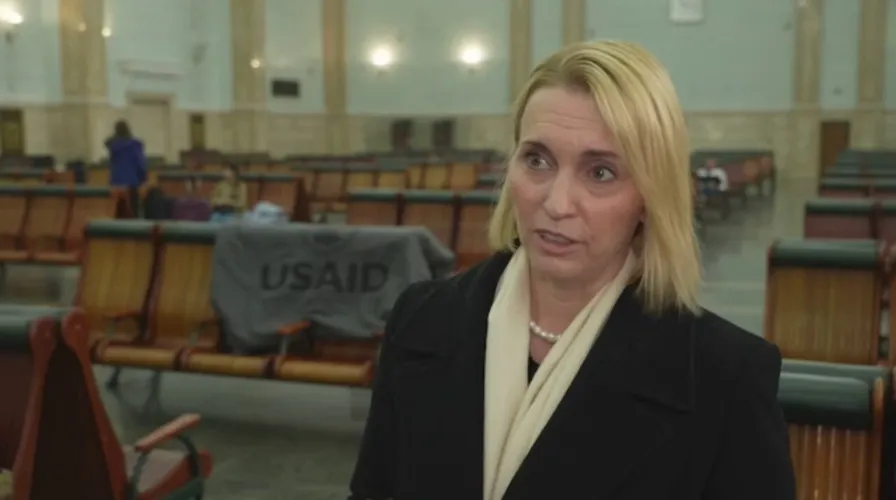
The US Ambassador to Ukraine, Julie Davis, has announced her resignation from her position due to deep disagreements with President Donald Trump regarding the United States' policy towards Ukraine. This move comes at a sensitive time for Ukraine, which is facing an escalation in its conflict with Russia, increasing the importance of American support.
According to informed sources, Davis felt frustrated by Trump's lack of support for the Ukrainian government's efforts to address security and economic challenges. Davis has been a prominent advocate for strengthening US-Ukrainian relations, making her resignation a sign of the deterioration of those ties.
Details of the Resignation
Davis's resignation is part of a series of changes within the US administration that have impacted foreign policy. Recently, Trump has faced widespread criticism for not taking decisive stances to support Ukraine in its struggle against Russia. It is believed that Davis hoped to persuade the administration to adopt a more supportive policy towards Kyiv, but that did not materialize.
It is noteworthy that Davis is not the only one expressing dissatisfaction with Trump's policy towards Ukraine, as many US officials have voiced concerns over the declining military and economic support for Ukraine. There have been calls from some members of the US Congress to increase military aid to Ukraine, but those calls have not resonated with the current administration.
Background & Context
US-Ukrainian relations date back to the post-Soviet Union collapse period, as Ukraine sought to strengthen its ties with the West. With rising tensions with Russia, especially following the annexation of Crimea in 2014, the United States became one of Ukraine's main supporters. However, Trump's policy towards Ukraine has been controversial, as he has been accused of downplaying the importance of military and economic support.
In recent years, Ukraine has faced numerous challenges, including internal corruption and an ongoing conflict with Russian-backed separatists. The United States has played a pivotal role in providing support to Ukraine, both through military and economic aid, making Davis's resignation a potential sign of a shift in that policy.
Impact & Consequences
Davis's resignation serves as a wake-up call regarding the future of US-Ukrainian relations. This move could lead to further tensions between Kyiv and Washington, potentially affecting Ukraine's ability to confront security challenges. Additionally, a lack of strong American support may embolden Russia to take more aggressive actions in the region.
Furthermore, Davis's resignation may impact relations between the United States and European countries that support Ukraine. Davis has represented a strong voice in defending Ukraine's interests on the international stage, and her resignation could weaken that voice.
Regional Significance
The implications of Davis's resignation extend beyond Ukraine, highlighting the broader geopolitical landscape. The evolving dynamics in US foreign policy could reshape alliances and influence security strategies in Europe. As tensions with Russia continue, the need for a cohesive and robust response from the West becomes increasingly critical.
In conclusion, the resignation of Ambassador Davis underscores the fragility of US-Ukrainian relations and the potential consequences for regional stability. It raises questions about the future of American support for Ukraine and the implications for European security amidst ongoing threats from Russia.