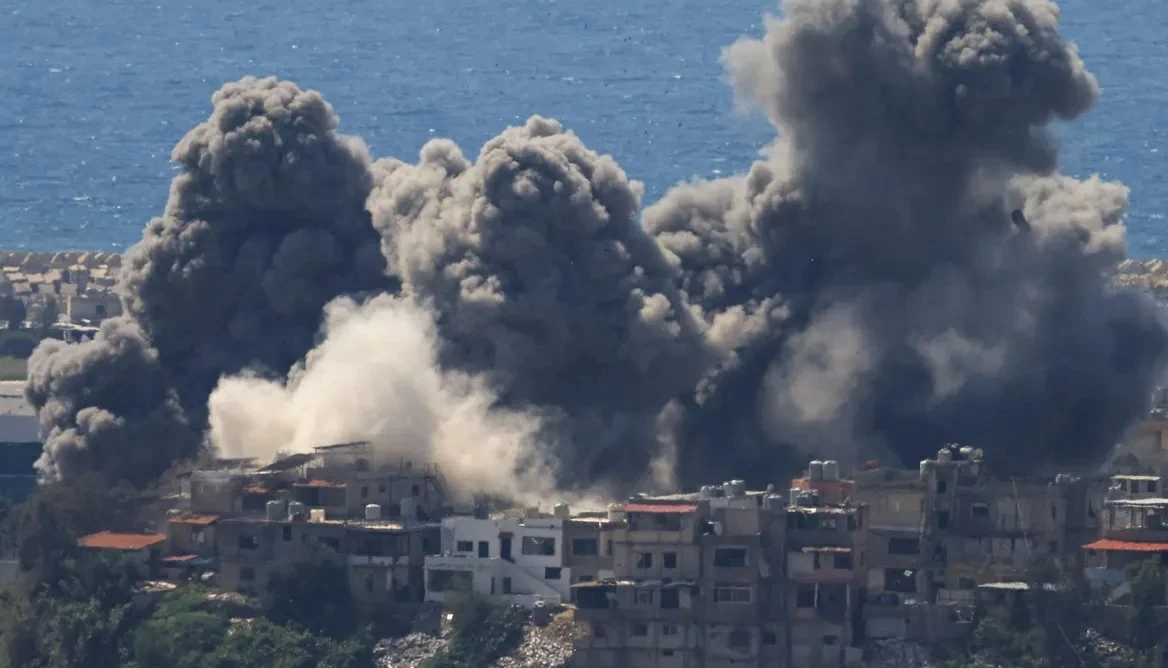
Pakistani Prime Minister Shahbaz Sharif warned today (Wednesday) that violations of the ceasefire could undermine the spirit of the peace process in the region. Sharif called on all concerned parties to respect the agreed two-week truce, emphasizing the importance of this step in facilitating diplomatic efforts towards a peaceful resolution of the conflict.
Sharif wrote on his account on X: "Reports of ceasefire violations have been received from several areas across the conflict zone, which could undermine the spirit of the peace process. I sincerely and earnestly urge all parties to exercise restraint and respect the ceasefire as agreed upon."
Details of the Event
In a related context, Pakistani sources revealed to Reuters that a U.S. delegation led by Vice President J.D. Vance and an Iranian delegation headed by Mohammad Baqer Qalibaf will arrive in Islamabad tomorrow (Thursday). However, U.S. President Donald Trump indicated that Vance may not attend the talks in person.
Trump clarified in statements to PBS that the ceasefire agreement with Tehran does not include Lebanon, pointing out that the reason for this is the presence of Hezbollah. He added: "They were not part of the agreement," confirming that the continuation of Israeli pressures is part of the deal.
Background & Context
Earlier, U.S. Vice President J.D. Vance described the ceasefire agreement between the United States and Iran as a "fragile truce," considering that a permanent agreement is possible if the Iranians show goodwill in negotiations. This comes at a sensitive time as tensions in the region escalate due to Israeli strikes on targets in Lebanon.
On the other hand, Fars News Agency reported that Tehran has halted the passage of oil tankers through the Strait of Hormuz due to Israeli strikes, while Tasnim News Agency stated that Iran would withdraw from the ceasefire if attacks on Lebanon continue. Iranian Foreign Minister Abbas Araghchi confirmed that Iran would respond to any violations of the ceasefire, referring to his discussions with Pakistani Army Chief General Asim Munir regarding these violations.
Impact & Consequences
These developments indicate a rise in tensions in the region, where ceasefire violations could exacerbate the situation and increase the likelihood of a new conflict. The arrival of the U.S. and Iranian delegations in Islamabad may open the door to new opportunities for dialogue, but this depends on the seriousness of the parties in adhering to the truce.
The continuation of tensions in the region could affect the stability of neighboring countries and complicate political and economic situations. Moreover, these events may impact oil prices and global markets, necessitating close monitoring by the international community.
Regional Significance
Considering the potential impact of these developments on the Arab region, the ongoing tensions between the United States and Iran could lead to escalated conflicts in countries such as Iraq, Syria, and Lebanon. Any military escalation could negatively affect peace efforts in the region and increase civilian suffering.
In conclusion, hope remains pinned on diplomacy as a means to avoid further escalation, with all parties needing to respect the agreed-upon truce.