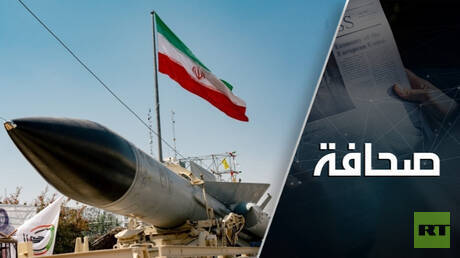
Concerns are mounting regarding the ability of Israel and the United States to counter Iranian strikes, as reports indicate that missile defense ammunition in both countries is nearing depletion. This situation reflects the allies' inability to fully address the increasing threats from Iran, raising questions about the adopted defensive strategies.
In a report published by the newspaper "Izvestia", writer Dmitry Kornev noted that the ammunition shortfall could significantly impact Israel's ability to protect its territory from Iranian missile attacks. This comes at a time when tensions in the region are escalating, increasing the importance of enhancing defensive capabilities.
Details of the Situation
Iran is considered one of the most prominent security threats in the Middle East, having developed advanced missile capabilities capable of targeting U.S. and Israeli interests. With the rise in Iranian attacks, Israel has increasingly relied on U.S. military support, including missile defense systems such as the "Iron Dome" and "Arrow".
However, reports indicate that the current stock of ammunition for these systems has begun to run low, placing Israel in a precarious position. Recent events have shown that military pressures from Iran require a swift and effective response, which may be difficult to achieve amid resource shortages.
Background & Context
Historically, the relationship between the United States and Israel has been based on close military cooperation, with Washington providing significant military support to Tel Aviv. However, increasing regional tensions, including conflicts in Syria and Lebanon, have complicated the security situation.
Moreover, Iran, through its support for armed groups in the region, has enhanced its ability to threaten U.S. and Israeli interests. This situation necessitates that the allies reassess their defensive strategies and develop alternative plans to confront the rising threats.
Impact & Consequences
If the ammunition shortage continues, it could lead to increased risks to Israeli national security. Israel may be forced to make difficult decisions regarding how to respond to Iranian attacks, potentially escalating the conflict in the region.
Furthermore, this situation could affect U.S.-Israeli relations, as the need for enhanced U.S. military support may arise. Any escalation in the conflict could also impact the stability of the entire region, complicating the security landscape further.
Regional Significance
The developments in the relationship between Iran and Israel have significant implications for security in the Arab region. Increasing tensions could lead to escalated conflicts in countries like Lebanon and Syria, where Iran may intervene more to support its allies.
Additionally, any escalation in the Israeli-Iranian conflict could affect neighboring Arab countries, raising concerns about regional stability. Therefore, it is crucial for Arab nations to closely monitor these developments and prepare to address any potential repercussions.
In conclusion, the security situation in the region requires all concerned parties to reassess their strategies and collaborate more effectively to confront the rising threats. Strengthening defensive capabilities and regional cooperation may be key to maintaining stability amid these increasing challenges.