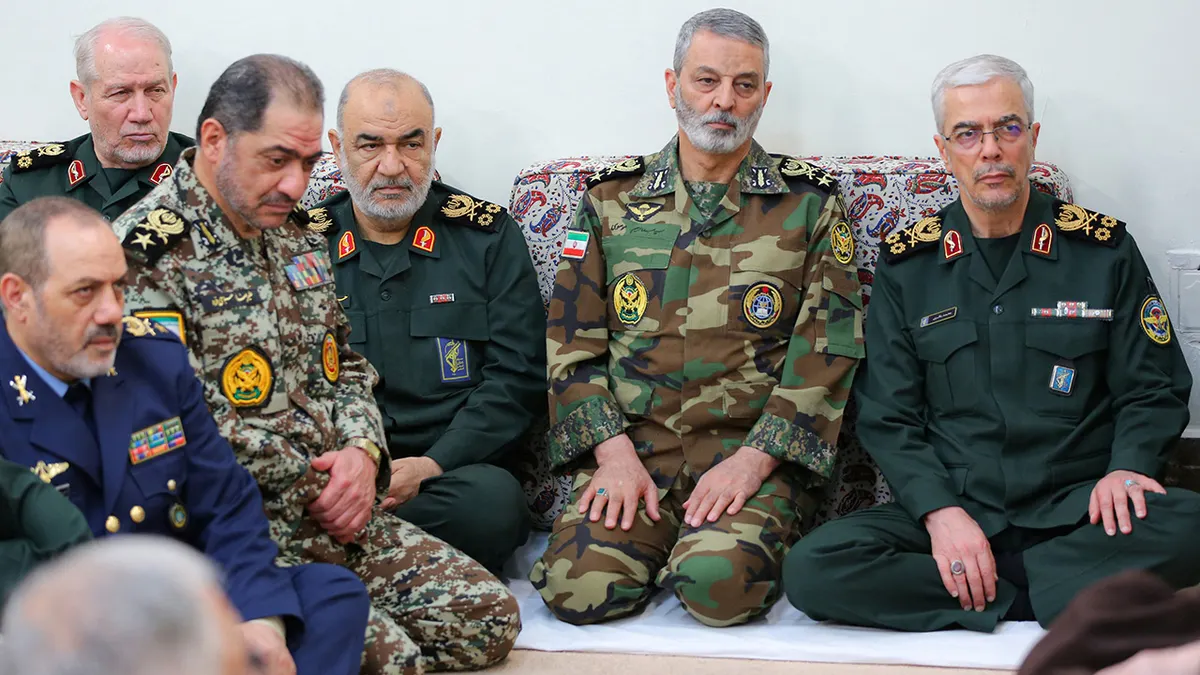
Since February 28, U.S. and Israeli airstrikes on Iran have resulted in the deaths of several prominent military and political leaders, escalating tensions in the region and adversely affecting energy markets and shipping routes.
These strikes are part of an increasing conflict in the Middle East, where regional and international interests intersect in complex ways. Reports indicate that among those killed in these strikes were significant figures such as the Supreme Leader Ayatollah Ali Khamenei, who has wielded considerable influence in Iranian politics since assuming office.
Details of the Strikes
The airstrikes on Iran are part of U.S. and Israeli efforts to curtail Tehran's influence in the region. The raids targeted sensitive military and security sites, resulting in heavy losses among military and political leaders.
Reports suggest that these strikes did not only target individuals but also strategic facilities, complicating the security situation in the region further. Iran has reacted strongly, threatening to retaliate against these attacks, which heightens the tensions even more.
Background & Context
Historically, relations between Iran and the United States have seen a continuous escalation since the Islamic Revolution in 1979. Economic sanctions and military threats have exacerbated the situation, prompting Iran to seek to enhance its military capabilities.
In recent years, tensions have notably increased, especially following the U.S. withdrawal from the Iranian nuclear deal in 2018. This led to a surge in Iranian military activities in the region, raising concerns among neighboring countries and the United States.
Impact & Consequences
The repercussions of these strikes extend beyond Iranian borders, affecting the stability of the entire region. The deaths of prominent leaders may create a leadership vacuum in Iran, potentially leading to internal conflicts.
Moreover, these events could significantly impact global energy markets, as oil prices experience notable fluctuations due to concerns over escalating conflict. These strikes may lead to increased fuel prices, affecting the global economy.
Regional Significance
Neighboring Arab countries are on high alert, fearing the implications of these strikes on their security and stability. The rising tensions could escalate conflicts in areas such as Iraq and Syria, where Iranian forces are present.
These events may also strengthen the position of countries seeking to counter Iranian influence, increasing the likelihood of military escalation in the region.
In conclusion, developments in Iran remain a focal point for the world, as any further escalation could have dire consequences for regional and international security.