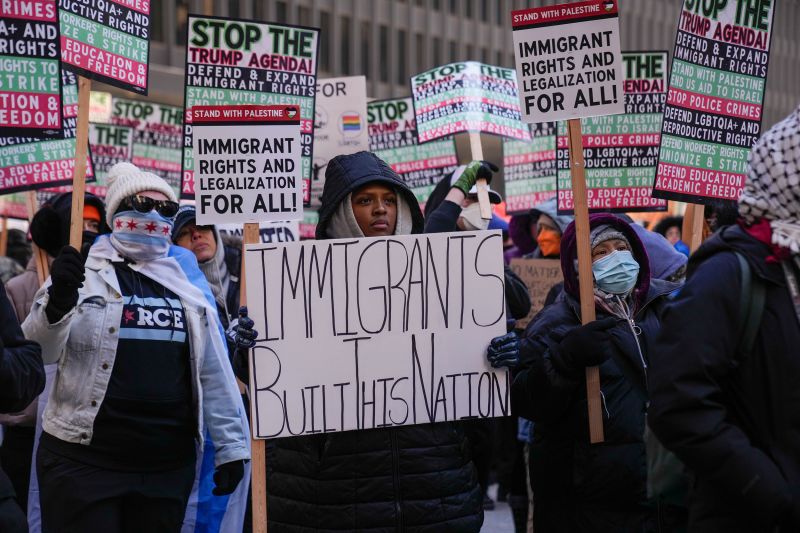
A U.S. appeals court has suspended previous rulings that rejected the immigration detention policy implemented by former President Donald Trump. This decision reflects a significant shift in the legal landscape surrounding immigration issues, occurring at a time when challenges related to immigration are increasing in the country.
The case pertains to Trump's policy aimed at detaining undocumented immigrants for extended periods while they await decisions on their cases. This policy sparked widespread controversy, as critics deemed it a violation of human rights.
Details of the Ruling
In its recent decision, the appeals court decided to suspend earlier rulings issued by lower courts, which had deemed this detention policy illegal. This ruling follows a series of legal challenges brought by advocates for immigrant rights, who argued that prolonged detention constitutes a violation of individual rights.
This case is part of the ongoing struggle over immigration policies in the United States, where both Republicans and Democrats seek to impose their own visions on how to handle immigrants. The ruling has elicited mixed reactions among supporters and opponents of Trump's policy.
Background & Context
Historically, immigration issues in the United States have been a contentious topic. In recent years, the country has witnessed a significant increase in the number of immigrants, exacerbating humanitarian crises at the borders. Trump's policy was part of an administrative response to this crisis, as the administration sought to tighten immigration laws.
On the other hand, there have been increasing calls from human rights organizations to mitigate these policies, as they argue that prolonged detention can lead to negative psychological effects on immigrants, especially children.
Impact & Consequences
The appeals court's decision is considered an important step in reevaluating immigration policies in the United States. This ruling may open the door for further legal challenges against detention policies and could lead to changes in how the government addresses immigration issues in the future.
Additionally, this decision may influence upcoming elections, as immigration issues are expected to be major topics in campaign discussions. Candidates may seek to leverage this ruling to shape their electoral messages.
Regional Significance
Immigration issues are a significant concern for many Arab countries, where numerous citizens face economic and political conditions that drive them to migrate. This ruling may affect how Arab nations handle immigration issues, especially amid ongoing political and economic tensions in the region.
Ultimately, it remains to be seen how matters will evolve in the United States and whether this step will lead to positive changes in immigration policy or if the status quo will persist. Immigration issues continue to be a vital topic requiring ongoing attention from all stakeholders involved.