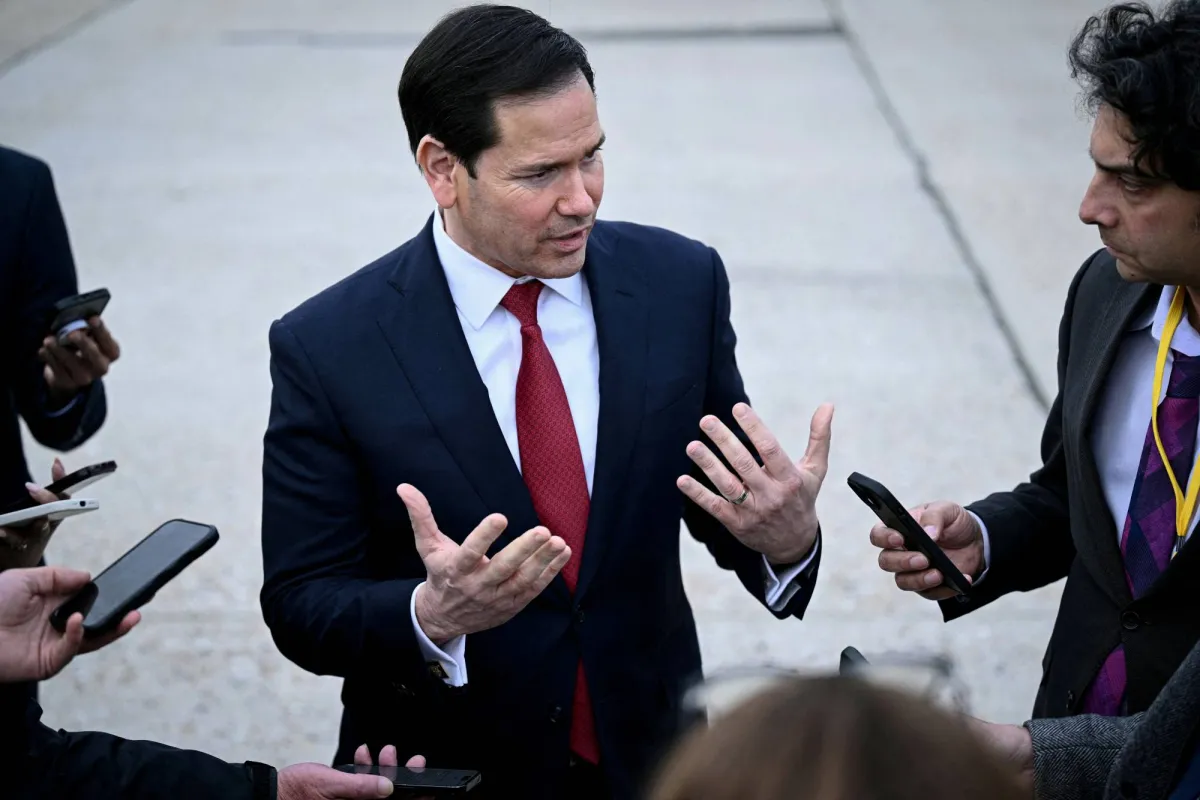
U.S. Secretary of State Marco Rubio revealed that the United States is approaching a 'finish line' in the ongoing war with Iran, which has now entered its fifth week. In statements made to Fox News, Rubio clarified that while this line is not imminent, it is forthcoming, reflecting cautious optimism regarding the developments in the conflict.
The war commenced on February 28, when the United States and Israel launched a coordinated attack on Iran. In response, Tehran retaliated by attacking Israel and Gulf countries hosting U.S. bases, resulting in thousands of deaths and millions displaced. Additionally, the U.S.-Israeli strikes have led to a spike in oil prices and disrupted global markets.
Details of the Ongoing Conflict
Rubio noted that there has been ongoing correspondence between Iran and the United States, which opens the door for a potential 'direct meeting' between the two sides in the future. He stated, 'There is a message exchange, discussions are ongoing, and there is a possibility for a direct meeting at some point.' These remarks come at a sensitive time as both parties seek a resolution to the ongoing conflict.
In a related context, President Donald Trump confirmed that the United States could end its military operations in Iran within two to three weeks. The U.S. administration has set changing timelines and objectives for the war, ranging from toppling the Iranian government to weakening its regional influence.
Background & Context
The intervention of the United States and Israel in the conflict with Iran comes at a critical juncture, as relations between Tehran and Washington have been severely strained since the U.S. withdrawal from the nuclear deal in 2018. Since then, tensions have escalated, leading to unprecedented military escalation in the region.
European leaders have also refrained from engaging in offensive operations targeting Iran, reflecting a divide among allies on how to address Iranian threats. In this context, Rubio indicated that the United States would need to reevaluate its relations with NATO after the war, suggesting that the alliance may not be able to provide the necessary support during critical times.
Impact & Consequences
This war represents a turning point in U.S. policy towards the Middle East, as military and political pressures on Iran increase. The potential outcomes of the conflict could reshape the geopolitical landscape in the region, affecting relationships among major powers.
The rise in oil prices due to the conflict may impact the global economy, increasing pressures on energy-consuming countries. Simultaneously, military pressures could exacerbate humanitarian crises in the region, where civilians are suffering from the consequences of the conflict.
Regional Significance
Arab countries are directly affected by the rising tensions in the region, as they may find themselves in a difficult position between supporting traditional allies or trying to maintain relations with Iran. Any military escalation could lead to an influx of refugees and increase humanitarian crises in neighboring countries.
In conclusion, the situation in the region remains complex, with political and military interests intertwining, necessitating Arab nations to adopt strategic positions that align with new challenges. Upcoming developments will determine the future of regional and international relations under these changing circumstances.