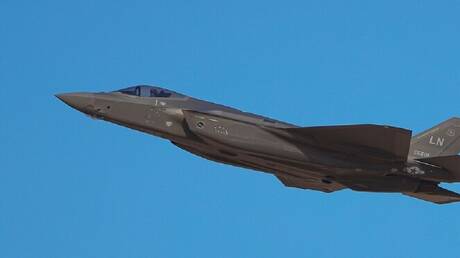
On Saturday, US President Donald Trump announced the approval for the sale of fifth-generation F-35 fighter jets to Saudi Arabia, marking a historic step that enhances military cooperation between the two countries.
This decision comes after years of negotiations and political tensions, as the F-35 jets are among the most advanced fighter aircraft in the world, featuring cutting-edge technologies that enable them to perform multiple missions with high effectiveness.
Details of the Agreement
Trump emphasized that this deal is part of strengthening the strategic relations between Washington and Riyadh, noting that the Kingdom will become one of the few countries to possess these advanced aircraft. This agreement is also seen as part of the US efforts to bolster security in the Middle East, particularly amid rising tensions with Iran.
Additionally, Trump indicated that the deal would support the US economy by creating new job opportunities in the defense sector, as American companies will manufacture and supply these jets. The agreement is also expected to include training for Saudi pilots to utilize this advanced technology.
Background & Context
Historically, the relationship between the United States and Saudi Arabia has been based on military and economic cooperation, with Saudi Arabia being one of the largest buyers of American weapons. However, this relationship has experienced some tensions in recent years, especially following the murder of journalist Jamal Khashoggi and other regional tensions.
The F-35 jets are part of a joint program among several countries, including Israel, which has been the only country in the region to possess these aircraft until now. This has raised concerns in Tel Aviv, as these jets are considered a vital component of its military superiority in the region.
Impact & Consequences
This deal is expected to significantly affect the balance of power in the region, enhancing the capabilities of the Saudi air force. Furthermore, this move may provoke reactions from other countries in the region, particularly Iran, which may view it as a threat to its national security.
Moreover, this agreement could lead to increased tensions between the United States and its traditional allies in the region, as some may feel that Washington is moving towards strengthening its military influence in the Gulf at the expense of regional stability.
Regional Significance
This agreement represents a shift in US military policy towards the Middle East, reflecting Washington's desire to enhance its military presence in the region. This step may lead to a new arms race in the area, as other countries might seek to bolster their military capabilities to face potential challenges.
At the same time, this deal could open new avenues for military cooperation between Arab nations and the United States, potentially contributing to greater stability in the region. However, the question remains about how this agreement will affect relations among Arab countries themselves, especially given the existing tensions between some nations.
In conclusion, the US approval for the sale of F-35 jets to Saudi Arabia represents a strategic move that could reshape the security landscape in the Middle East. Nevertheless, the challenges facing the region persist, requiring all parties to work towards achieving peace and stability.