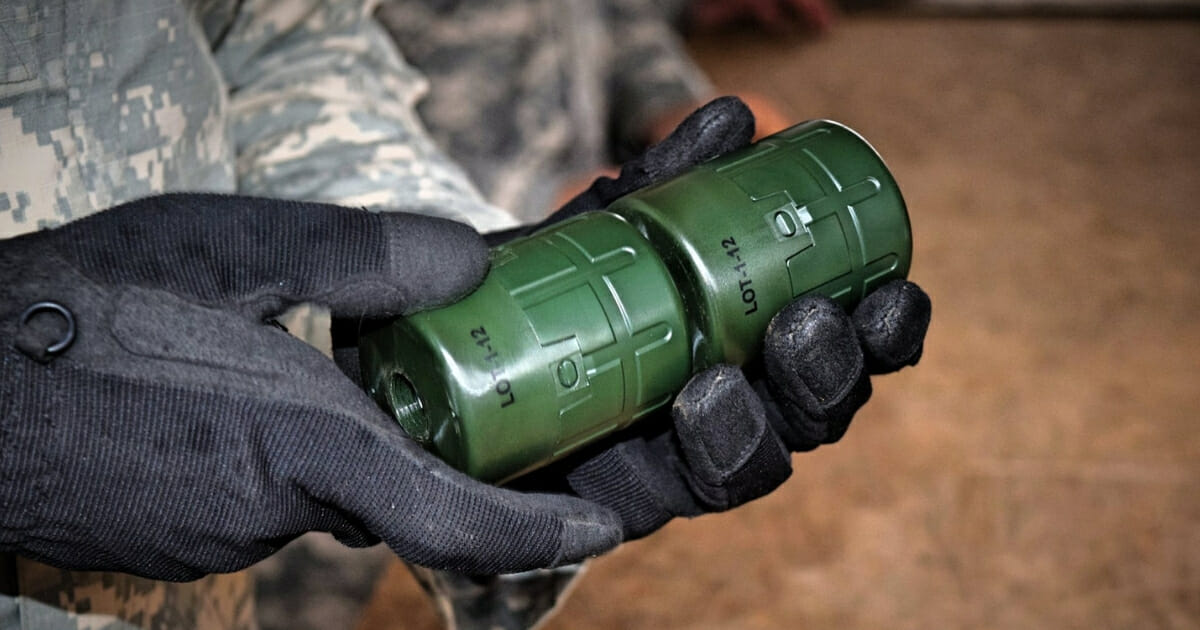
The U.S. Army announced last month the development of a new hand grenade that is considered the first of its kind since the Vietnam War. This grenade, made from plastic, relies on shock waves rather than shrapnel to cause harm to enemy forces, marking a significant shift in the design of conventional weapons.
This initiative is part of the U.S. Army's efforts to enhance its combat capabilities and develop more effective and less harmful weapons for civilians. The new grenade represents a technological advancement in weaponry, aiming to reduce the collateral damage that may occur from the use of traditional weapons.
Details of the Announcement
The new hand grenade was unveiled during a military parade, where military officials indicated that this weapon represents a strategic step in addressing contemporary security challenges. The grenade is designed to be lightweight and easy to use, making it suitable for various military operations.
It was also emphasized that the use of plastic in the grenade's construction contributes to reducing its weight, making it easier for soldiers to carry and use in the field. The grenade relies on shock wave technology, which creates an explosion that generates a strong pressure wave affecting enemies without the need for shrapnel, thereby minimizing the risk of civilian casualties.
Background & Context
Historically, wars have seen an increasing use of conventional weapons, leading to rising collateral damage and its impact on civilians. In this context, major powers, including the United States, are striving to develop new weapons that align with international ethical and legal standards.
This new hand grenade is part of a broader strategy by the U.S. Army aimed at improving the effectiveness of military operations and reducing collateral damage. These developments come at a time of escalating global tensions, necessitating the creation of more precise weapons with less impact on civilians.
Impact & Consequences
The new hand grenade could change the way military operations are conducted, as it can be used in urban areas or in operations requiring high precision. This trend may also reflect a shift in global military strategies, with countries focusing on developing safer and more effective weapons.
These developments are likely to increase competition among major powers in the field of weapon development, potentially accelerating the pace of technological innovations in this area. Furthermore, the use of this grenade may raise questions regarding international laws related to the use of weapons in armed conflicts.
Regional Significance
In the Arab region, these developments may impact ongoing conflicts, as such weapons could be used in armed disputes occurring in certain countries. The use of grenades that rely on shock waves may raise concerns among Arab nations, especially amid ongoing tensions in the region.
Moreover, these developments could lead to new calls for arms control and the development of more humane military strategies. At the same time, fears may increase regarding the use of these weapons in internal conflicts, necessitating dialogue and cooperation among Arab countries to ensure civilian safety.
In conclusion, the unveiling of this new hand grenade represents a significant step in weapon development and reflects modern trends in military strategies. The question remains about how these developments will affect security and peace in the Arab region and the world.