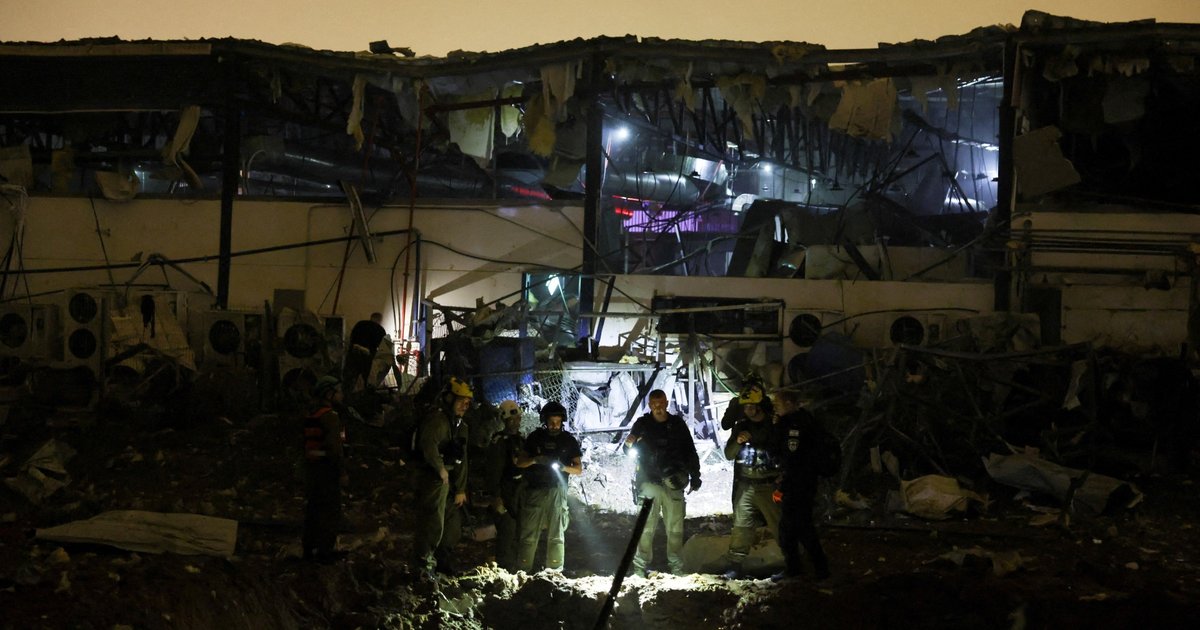
U.S. intelligence reports indicate that Iran still possesses half of its missiles and drones, despite increasing military pressures from the United States and Israel. This assessment comes more than a month after the onset of joint military operations by the U.S. and Israel against Iran, raising questions about the effectiveness of current military strategies.
The evaluation, first reported by CNN, contrasts sharply with strong statements made by U.S. President Donald Trump and the Israeli government, which described Iran's capabilities as close to annihilation. While Iranian retaliatory operations against U.S. assets in the Gulf have significantly decreased, their targeting accuracy has increased, suggesting a shift in their military strategy.
Details of the Incident
On Friday, the Iranian Revolutionary Guard's air defenses shot down a U.S. F-15E fighter jet over southwestern Iran. The Iranian military spokesperson confirmed that the aircraft was completely destroyed, leading to a race between Iranian and American forces to locate the crew. Reports indicated that one crew member was rescued by U.S. forces.
U.S. intelligence assessments show that Iran's coastal defense missiles remain intact, which is crucial for controlling the Strait of Hormuz, a strategic chokepoint that Iran uses as leverage for global economic pressure. U.S. forces have destroyed several vessels from the Iranian navy as part of ongoing military operations.
Background & Context
Historically, relations between Iran and the United States have been marked by increasing tensions, especially following the U.S. withdrawal from the Iranian nuclear deal in 2018. Since then, military and economic pressures on Iran have escalated, leading to heightened tensions in the region. The Strait of Hormuz is a vital strategic point, through which a significant percentage of global oil exports pass, increasing the importance of controlling it.
In recent weeks, Iran has seen an increase in attacks on U.S. assets in the region, reflecting its new strategy in response to military pressures. However, U.S. assessments indicate that Iran remains capable of conducting complex military operations, raising concerns about regional stability.
Impact & Consequences
These developments indicate that Iran still retains significant military capabilities, which could lead to an escalation of conflict in the region. U.S. officials have stated that Iran remains capable of causing chaos in the area, complicating the security situation further.
Recent statements by President Trump, suggesting that the U.S. will continue its military strikes, reflect a clear intent to intensify operations against Iran. Trump warned that more destruction is on the way, increasing anxiety in the region.
Regional Significance
These events directly impact Arab countries, particularly those located near the Strait of Hormuz. Increased military tensions may lead to rising oil prices and negative effects on Arab economies. Additionally, any escalation in conflict could result in a flow of refugees and increased instability in the region.
In conclusion, the situation in and around Iran remains tense, with ongoing military and political challenges. It is crucial for Arab nations to closely monitor these developments, as any escalation could affect their interests and security.