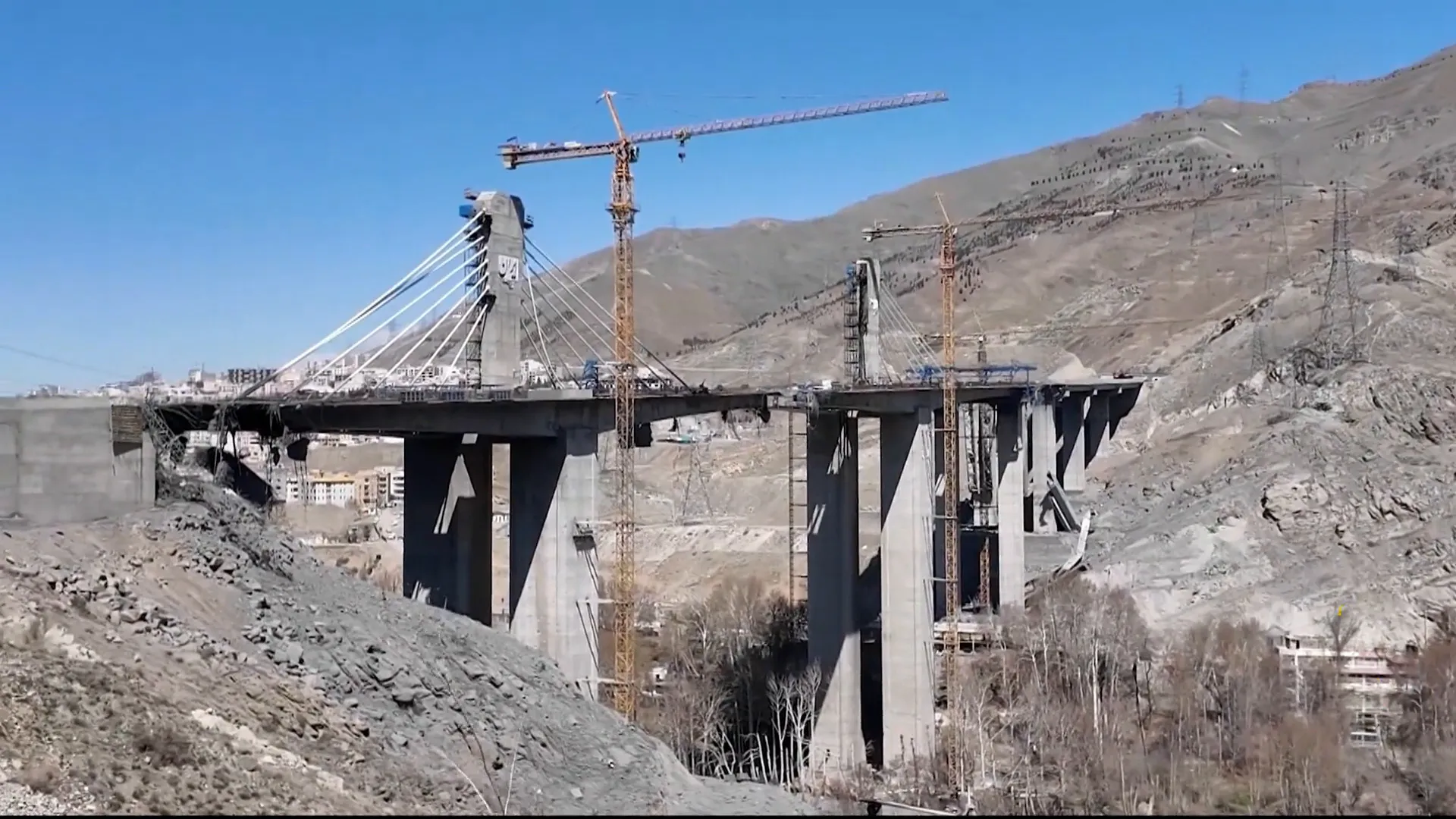
A US attack targeted the Karaj Bridge, located west of the Iranian capital Tehran, which provoked angry reactions from Iranian officials. Al Jazeera correspondent Amer Lafi reported on the material damage inflicted on the bridge, which is considered a vital facility in the region.
The attack, which occurred late at night, resulted in the destruction of large parts of the bridge, disrupting traffic between Karaj and Tehran. This bridge is a vital artery connecting the Iranian capital with several other cities, increasing the significance of the incident and its impact on the daily lives of citizens.
Details of the Incident
According to initial reports, the US attack targeted the bridge with precision missiles, leading to the complete destruction of some sections. Iranian authorities confirmed that the attack came amid escalating tensions between Iran and the United States, which have seen increasing strains in recent years.
Local sources reported that the attack resulted in injuries among civilians, further intensifying public anger towards the United States. Several citizens gathered at the attack site to express their dissatisfaction with this act, demanding the government take strict measures against what they described as US aggression.
Background & Context
The roots of tensions between Iran and the United States date back decades, with relations between the two countries significantly escalating since the US withdrawal from the Iranian nuclear deal in 2018. Since then, Washington has imposed severe economic sanctions on Iran, which have greatly affected the Iranian economy and exacerbated social conditions.
The attack on the Karaj Bridge comes at a sensitive time, as the region is experiencing increasing tensions between major powers. The bridge is considered a symbol of Iranian infrastructure, making its targeting a clear message from the United States about its ability to deliver painful strikes to Iran.
Impact & Consequences
The potential consequences of this attack could be far-reaching, as it is expected to heighten tensions between Iran and the United States. It may also lead to military escalation in the region, threatening regional stability and impacting relations between neighboring countries.
Moreover, the damage to the bridge could affect traffic and the local economy, increasing the suffering of Iranian citizens who are already enduring the effects of economic sanctions. This may require the Iranian government to take urgent measures to repair the damage and restore traffic.
Regional Significance
This attack could have direct effects on neighboring Arab countries, as the escalation of tensions between Iran and the United States may lead to security repercussions in the region. Arab countries, which are seeking stability, may find themselves in a difficult position if the situation in Iran escalates.
Additionally, events in Iran may impact oil prices and financial markets, which could negatively affect the economies of Arab countries that heavily rely on oil exports. Therefore, monitoring developments in Iran will be crucial for Arab nations in the upcoming period.
In conclusion, the US attack on the Karaj Bridge reflects a serious escalation in tensions between Iran and the United States, raising concerns about regional stability and its impact on the daily lives of citizens. As the situation continues to deteriorate, the question remains about how Iran will respond and whether there are diplomatic steps that could lead to de-escalation.