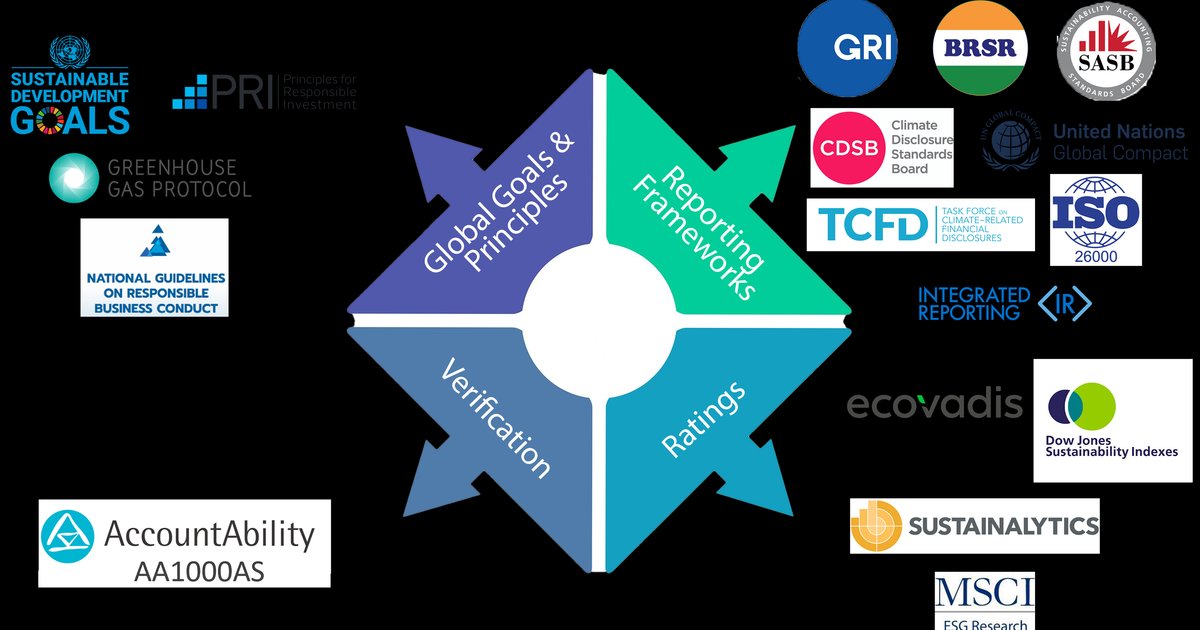
A group of U.S. attorneys general has sent a letter to the U.S. Securities and Exchange Commission and major credit rating agencies expressing concerns over the use of environmental, social, and governance (ESG) factors in credit rating decisions. This action occurs at a time when companies are under growing pressure to adopt sustainable policies, which raises questions about how these policies affect credit ratings.
In the letter, the attorneys general voiced their fears that the use of these factors could lead to unfair discrimination against companies that do not fully embrace ESG policies. They also noted that this approach could negatively impact financial markets and increase instability in the financial system.
Details of the Event
The letter addressed to the SEC and major credit rating agencies calls for a reevaluation of how ESG factors are utilized in credit assessments. The attorneys general emphasized that these factors should be part of a comprehensive evaluation process that considers the financial and operational performance of companies.
This step comes at a time when global interest in sustainability issues is rising, as many companies seek to enhance their public image by adopting environmentally friendly policies. However, the attorneys general believe that these policies should not adversely affect companies' ability to secure necessary financing.
Background & Context
In recent years, environmental, social, and governance issues have become a major focus in the business world. Many companies have begun to adopt ESG policies as part of their strategies, leading to increased pressure from both investors and consumers. Nevertheless, some attorneys general argue that these policies may lead to discrimination against companies that cannot or do not wish to adopt such measures.
Historically, credit rating agencies primarily relied on traditional financial metrics to assess risk. However, with the rise of the sustainability movement, these agencies have started to integrate ESG factors into their evaluations, sparking widespread debate about the extent to which these factors influence financial markets.
Impact & Consequences
This issue could lead to significant changes in how companies are evaluated by credit rating agencies. If these agencies respond to the attorneys general's concerns, we may witness a shift in how ESG factors are used in credit assessments, potentially affecting companies' ability to obtain financing.
Moreover, this issue may increase awareness among companies regarding the importance of balancing sustainability with financial performance. Should policies be adjusted, companies might find themselves compelled to reassess their strategies to ensure that their credit ratings are not negatively impacted.
Regional Significance
In the Arab region, where there is increasing pressure on governments and companies to adopt sustainable policies, this issue could serve as a warning. Global trends towards sustainability may influence how investors assess Arab companies, requiring them to be more transparent in their environmental and social policies.
This issue may also open the door for Arab companies to adopt ESG strategies more seriously, which could help improve their image among international investors.