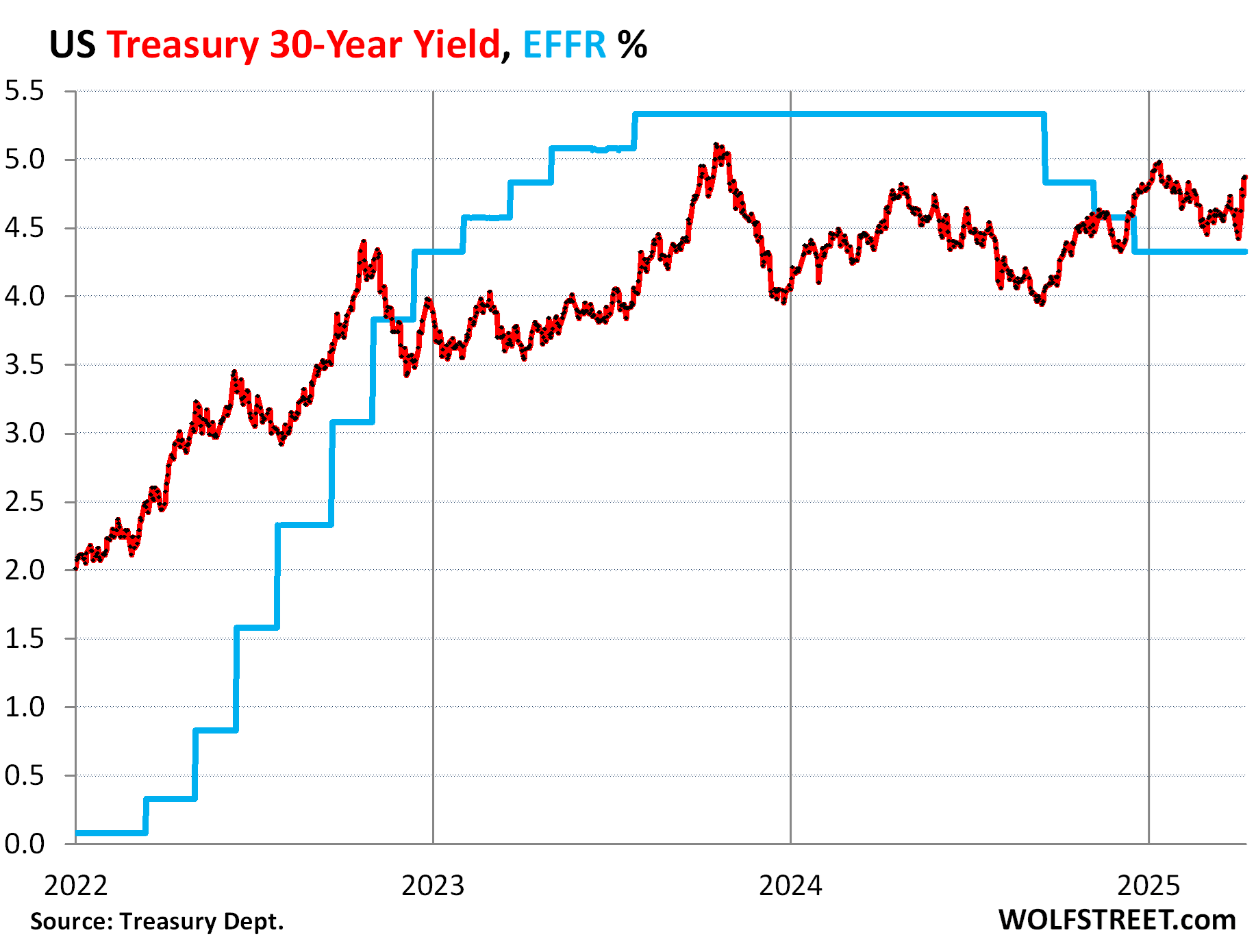
U.S. bond yields have seen a significant increase, reaching their highest levels since the beginning of the year, driven by rising oil prices due to the ongoing U.S. conflict with Iran, now in its fifth week. These developments have led to a decline in bond values, which has significantly contributed to the rise in yields.
Reports indicate that oil prices have rebounded, reflecting the impact of the ongoing conflict between the United States and Iran on global markets. This situation has increased anxiety among investors, prompting them to seek safe havens such as government bonds, despite their declining values.
Details of the Event
In recent days, financial markets have experienced significant volatility due to the tense geopolitical situation. Oil prices have risen sharply, impacting U.S. bond yields. Data has shown that the yields on 10-year bonds have surpassed 4%, marking the highest level since the beginning of the year.
This rise in yields comes at a sensitive time for the U.S. economy, as the Federal Reserve seeks to control inflation, which has seen a notable increase in recent months. With oil prices continuing to rise, analysts expect that the U.S. economy will face additional challenges in the near future.
Context and Background
Historically, relations between the United States and Iran have been tense, especially following the U.S. withdrawal from the nuclear deal in 2018. Since then, the region has witnessed escalating tensions, impacting oil prices and global financial markets. The current war being waged by the United States against Iran may have far-reaching implications for the global economy, particularly given the heavy reliance on Iranian oil in global markets.
Iran is considered one of the largest oil producers in the world, and any escalation in the conflict could lead to a reduction in oil supplies, further driving up prices. This situation raises concerns among oil-importing countries, especially Arab nations that heavily depend on stable oil prices.
Consequences and Impact
As oil prices continue to rise, analysts predict that these conditions will affect the global economy in general, and the U.S. economy in particular. Rising yields on bonds could lead to increased borrowing costs, which may negatively impact investments and economic growth.
Moreover, rising oil prices could lead to increased inflation, potentially prompting the Federal Reserve to adopt more stringent measures in its monetary policy. This could affect financial markets and increase price volatility.
Impact on the Arab Region
Arab countries are among the most affected by fluctuations in oil prices, as many of these nations' economies heavily rely on oil revenues. With rising prices, some oil-producing countries may benefit, but at the same time, oil-importing countries may face significant economic challenges.
Any escalation in the U.S.-Iran conflict could lead to increased tensions in the region, potentially impacting political and economic stability in Arab countries. Therefore, monitoring these developments is essential to understand the potential impact on the region.