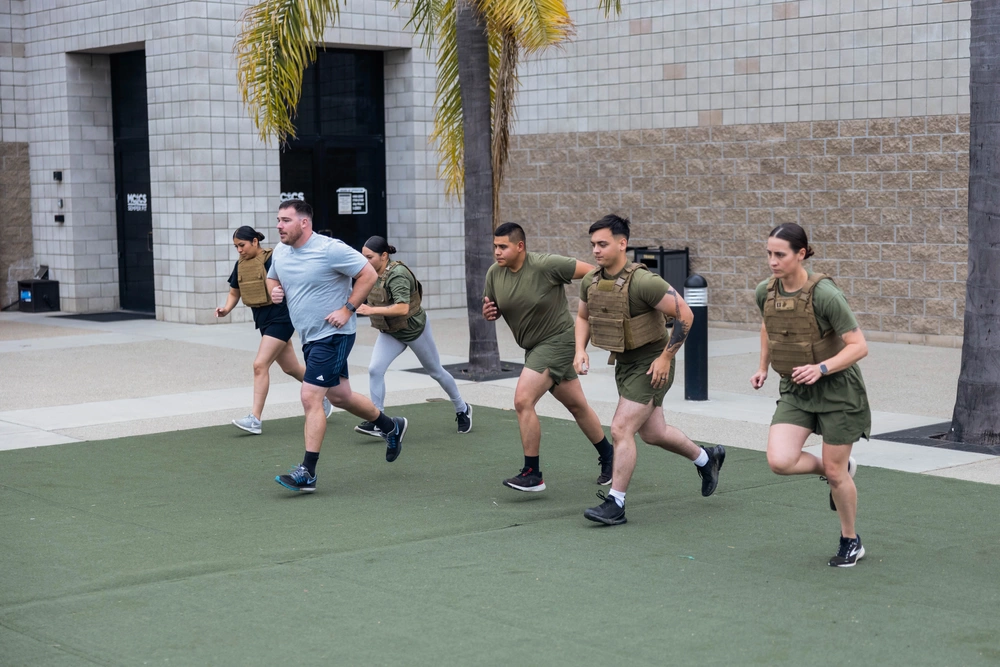
The U.S. Central Command announced today the readiness of Marine Corps forces to undertake new missions, a move that reflects the United States' preparedness to enhance its military presence in areas of tension. This announcement comes at a sensitive time, as tensions are rising in multiple regions, raising questions about the strategic objectives of the United States in those areas.
The Marine Corps is considered one of the most prepared military units in the U.S. Army, possessing high capabilities for rapid deployment and crisis intervention. The Central Command has confirmed that these forces are ready to face any challenges that may arise in the near future.
Details of the Announcement
In an official statement, the U.S. Central Command clarified that the Marine Corps has completed intensive training in preparation for new missions in various regions, including the Middle East and Asia. It noted that these exercises are part of enhancing the military capabilities of the United States to address potential threats.
The command emphasized that these preparations are in line with the United States' commitment to protect its national interests and bolster regional security. Several areas have been identified as priorities for intervention, including current conflict zones.
Background & Context
Historically, the Marine Corps has played a pivotal role in U.S. military operations worldwide. Since its establishment, it has participated in numerous military conflicts, from World War II to the wars in Iraq and Afghanistan. These forces have demonstrated their ability to carry out complex missions in challenging environments.
In recent years, the Arab region has witnessed a rise in tensions, prompting the United States to reassess its military strategies. This announcement is part of Washington's efforts to strengthen its military presence in the face of increasing challenges from countries like Iran and Russia.
Impact & Consequences
The readiness of the Marine Corps raises questions about the intentions of the United States in the region. While some view this step as a commitment by the U.S. to protect its interests, others believe it could lead to escalating tensions with other countries. These movements may affect U.S. relations with its allies in the region, as well as regional stability.
Moreover, these preparations could heighten tensions between the United States and countries it perceives as threats, potentially negatively impacting regional security. The presence of American forces in conflict areas may provoke reactions from local armed groups.
Regional Significance
The Arab region is experiencing ongoing tensions, whether in Syria, Iraq, or Yemen. The enhancement of U.S. forces, particularly the Marine Corps, could significantly impact the course of events in these countries. This may lead to escalated conflicts or even new military interventions.
Under these circumstances, the question remains as to how Arab countries will respond to these developments. Will they seek to enhance cooperation with the United States, or will they take steps to counter this military presence?
In conclusion, the readiness of the Marine Corps for new missions reflects the increasing challenges the United States faces in its foreign policy. As tensions in the region continue, the military and political situation remains in a state of anticipation.