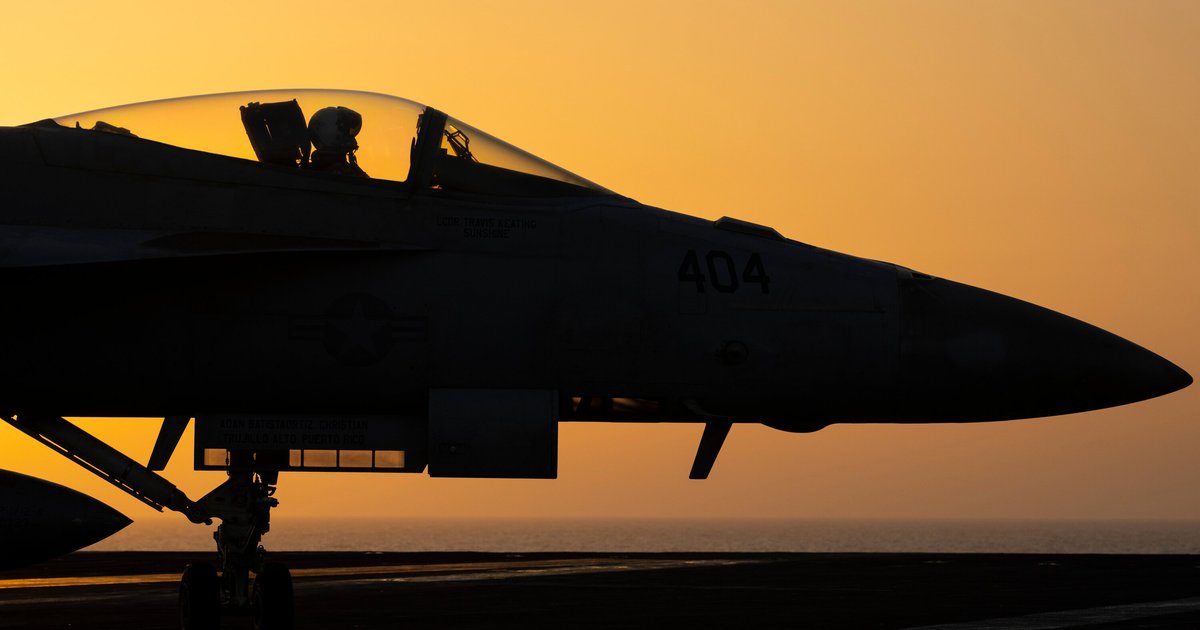
The U.S. Central Command (CENTCOM) has firmly denied claims made by the Iranian Revolutionary Guard regarding the downing of a fighter jet over the Strait of Hormuz. This denial reflects the ongoing military tensions in the region, where fears of escalating conflict between the United States and Iran are increasing.
Earlier, the Iranian Revolutionary Guard announced the downing of a U.S. fighter jet, which sparked widespread reactions in political and military circles. However, U.S. leadership confirmed that this information is inaccurate, highlighting the significant gap in narratives between the two sides.
Details of the Incident
This incident comes amid a series of military tensions that have recently been witnessed in the region, with increased military activities by U.S. forces in the Arabian Gulf. The Iranian Revolutionary Guard indicated that the fighter jet was shot down during a reconnaissance mission, a claim that was denied by CENTCOM.
The Strait of Hormuz is a vital strategic point, through which approximately 20% of global oil supplies pass. Therefore, any military escalation in this area could lead to significant economic and political repercussions on a global scale.
Background & Context
Historically, the Strait of Hormuz has seen numerous military incidents between U.S. and Iranian forces, with both countries exchanging accusations regarding sovereignty violations. In recent years, tensions have notably increased following the U.S. withdrawal from the Iranian nuclear deal in 2018, leading to heightened stances between the two parties.
Iran seeks to bolster its military presence in the region, while the United States views its military presence as essential for protecting its interests and allies. This complex dynamic contributes to creating a tense environment in the region.
Impact & Consequences
This incident could escalate tensions between the United States and Iran, raising concerns about the outbreak of direct military conflict. Additionally, the continuation of these tensions may impact global oil markets, potentially leading to price increases due to fears of supply disruptions.
Moreover, these events could affect relations between the United States and its allies in the region, as Arab and Gulf countries must take clear positions regarding these tensions. Any escalation could negatively impact regional security.
Regional Significance
The Arab region is a crucial part of the geopolitical equation in the Middle East, and any escalation in the Strait of Hormuz could directly affect neighboring Arab countries. Increased military tensions could lead to a flow of refugees and heightened security threats, placing additional pressures on Arab governments.
In light of these circumstances, Arab countries must be prepared to deal with any potential repercussions, whether economic or security-related. They should also work to strengthen regional cooperation to address common challenges.
In conclusion, the U.S. Central Command's denial of the fighter jet being shot down over the Strait of Hormuz reflects the ongoing tensions in the region and underscores the urgent need for diplomacy to resolve conflicts and avoid military escalation.