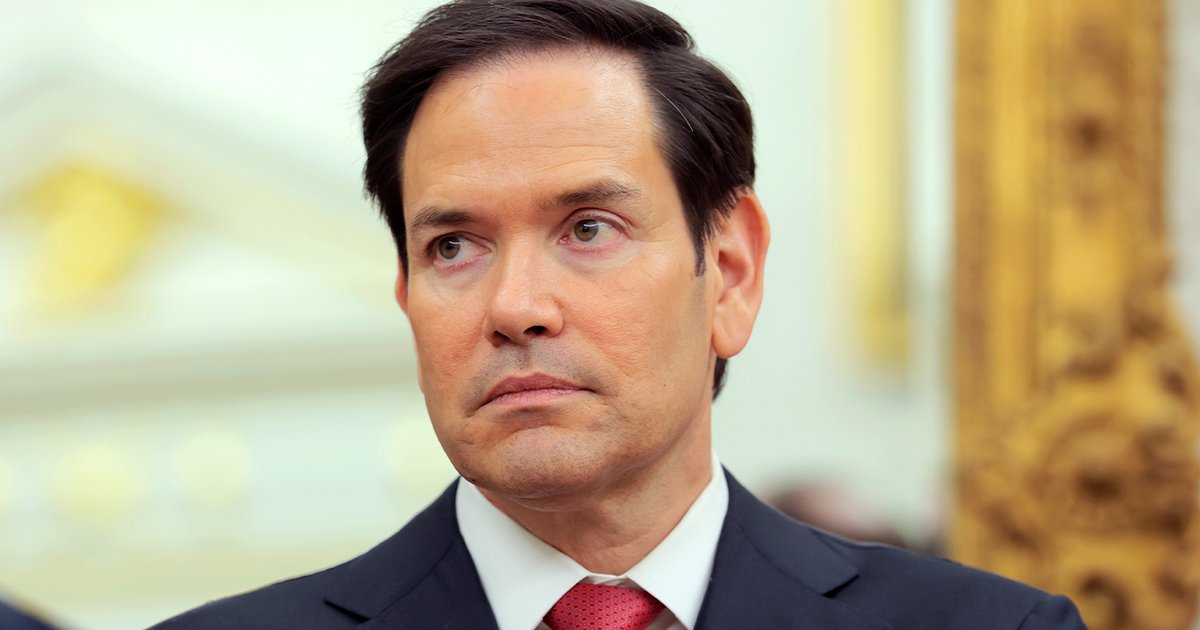
U.S. Senator Marco Rubio has firmly rejected Iran's plan to impose shipping fees in the Strait of Hormuz, warning that it poses a serious threat to global oil supplies. This statement comes at a sensitive time as oil markets experience significant volatility, raising concerns about supply stability.
In remarks made during a press conference, Rubio emphasized that any attempt by Iran to impose fees on shipping in Hormuz will not be accepted, warning that such a move would have dire consequences for the global economy. The Strait of Hormuz is a vital artery for oil transport, through which approximately 20% of global oil supplies pass.
Details of the Event
Rubio's comments come amid escalating tensions between Iran and the United States, with Washington accusing Tehran of attempting to destabilize the region by threatening maritime navigation. Rubio noted that this step could lead to military escalation in the region, threatening both regional and international security.
He also added that the United States will work with its allies to ensure freedom of navigation in the strait, stressing the importance of international cooperation in countering Iranian threats. He expressed concern that this policy could negatively impact oil prices, which would reflect on the global economy.
Background & Context
The Strait of Hormuz is considered one of the most important maritime passages in the world, linking the Arabian Gulf with the Indian Ocean. Historically, the strait has witnessed numerous conflicts and tensions, especially amid political and military struggles in the region. In recent years, tensions between Iran and the United States have escalated, increasing fears about the stability of oil supplies.
In 2019, the strait experienced a series of attacks on oil tankers, raising international concerns about the safety of navigation. Under these circumstances, calls for enhanced maritime security in the region have increased, as any attempt to impose fees on navigation is seen as an unacceptable escalation.
Impact & Consequences
Rubio's statements serve as a clear warning to Iran, indicating that any attempt to impose shipping fees will face strong reactions from the United States and its allies. These developments could lead to heightened military tensions in the region, threatening the stability of global oil markets.
Furthermore, any increase in oil prices resulting from these tensions could negatively impact the global economy, especially amid the current economic crises facing many countries. Therefore, maintaining freedom of navigation in the Strait of Hormuz is considered vital for ensuring price stability.
Regional Significance
The Arab countries neighboring the Strait of Hormuz, such as Saudi Arabia and the United Arab Emirates, are among the largest oil producers in the world. Thus, any escalation of tensions in the region could directly affect the economies of these countries. Additionally, the stability of oil supplies is crucial for economic security in the region.
In conclusion, tensions in the Strait of Hormuz remain a focal point of global interest, as the international community watches how these challenges will be addressed. Ensuring freedom of navigation in this vital passage is essential for maintaining stability in global markets.