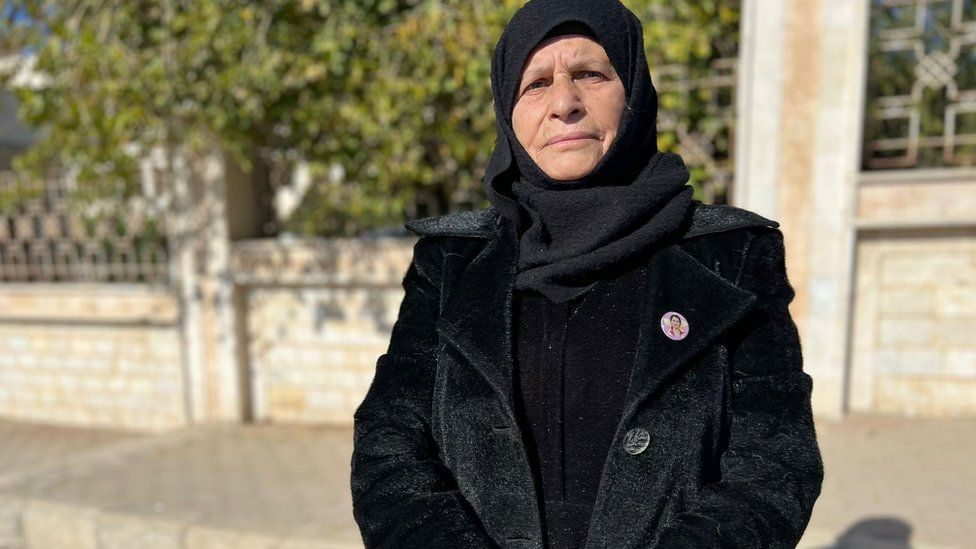
The US State Department condemned the killing of Kurdish activist Hevrin Khalaf, who was killed by Turkey-backed forces, emphasizing that this incident reflects human rights violations in the region. The department expressed deep concern over the escalating violence in northeastern Syria, stressing the need for accountability for those responsible for these actions.
Hevrin Khalaf, who was considered a symbol of the struggle for Kurdish rights, was killed under controversial circumstances, with reports indicating that she was assaulted by Ankara-backed forces while attempting to flee the conflict zone. This incident has sparked widespread reactions from human rights organizations, which deemed her killing part of Turkey's repressive policies against Kurds in Syria.
Details of the Incident
The events unfold within a complex context of the ongoing conflict in Syria, where Turkish forces have been present in the north of the country since 2016, under the pretext of combating terrorist groups. However, many observers believe that these military operations primarily target the Kurds, whom Turkey perceives as a threat to its national security.
Hevrin Khalaf was a prominent human rights activist who worked to promote the rights of women and minorities in Syria. Her killing has triggered a wave of condemnation on social media, with many activists calling for accountability for those responsible for this act.
Background & Context
Historically, relations between the Kurds and Turkey have been marked by ongoing tensions, as Ankara seeks to eliminate any form of Kurdish autonomy. Turkish military operations in northern Syria have led to the displacement of thousands of civilians, further complicating the humanitarian situation in the region.
In recent years, the intensity of fighting between Turkish forces and Kurdish fighters has escalated, resulting in numerous civilian casualties. Human rights organizations have criticized these operations, pointing out that they lead to serious violations of human rights.
Impact & Consequences
The killing of Hevrin Khalaf may have significant repercussions on the situation in northeastern Syria, potentially leading to increased protests against Turkish forces. Additionally, this incident could strengthen the position of Kurdish groups in the region, which are seeking greater international support.
Moreover, international reactions to this incident may affect relations between Turkey and the United States, especially amid current tensions between the two countries. Washington may need to take more decisive steps towards Ankara to ensure the protection of Kurdish rights in Syria.
Regional Significance
The killing of Hevrin Khalaf is part of the larger picture of conflict in the region, where national and religious issues intertwine in a complex context. Continued violence against the Kurds may exacerbate humanitarian crises in Syria, impacting neighboring countries and increasing the flow of refugees.
This incident also highlights the urgent need for the international community to intervene to protect human rights in conflict areas, which could contribute to greater stability in the region.
In conclusion, the killing of Hevrin Khalaf underscores the significant challenges faced by minorities in conflict zones and emphasizes the necessity for international collaborative efforts to protect human rights and ensure justice.