US Treasury Secretary Scott Bisent announced on Thursday that the United States will not impose restrictions on Muslims traveling to perform Hajj in Saudi Arabia. This announcement comes as millions of Muslims from around the world head to Mecca to fulfill this religious obligation.
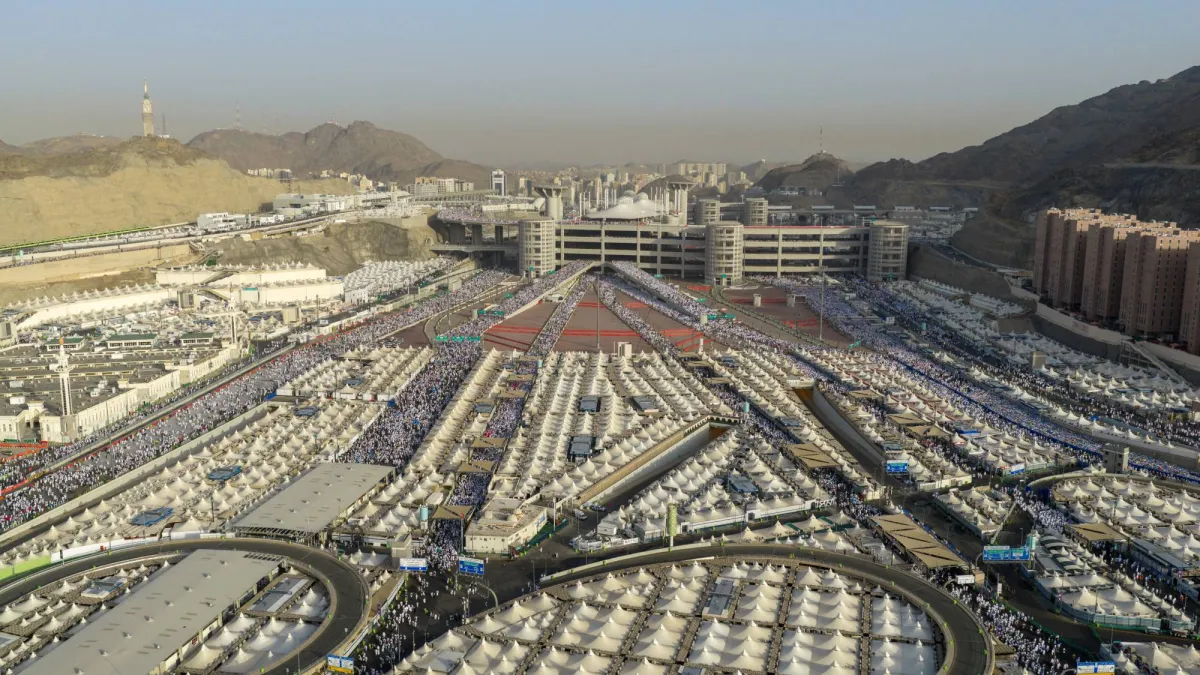
In related news, pilgrims completed the rituals of the first day of Tashreeq on Thursday, where they performed the stoning of the three pillars, a fundamental rite of Hajj. The Jamaraat Bridge in Minna witnessed smooth movement of pilgrims, as they were organized through designated paths according to well-planned procedures to ensure their safety and security.
Details of the Announcement
Bisent's statements are part of the US efforts to promote religious freedom, as Hajj represents one of the five pillars of Islam. The Secretary emphasized that his country supports the rights of Muslims to perform their religious rituals without any obstacles. This stance reflects the United States' commitment to religious diversity and freedom of belief.
On the same day, the US Treasury Department announced the removal of 76 individuals and entities from the sanctions list, considering them outdated targets. This step is part of broader efforts to update the US sanctions system, as sanctions were lifted from 39 deceased individuals, 14 inactive persons or vessels, and 13 dissolved companies.
Background & Context
Historically, the United States imposed sanctions on many individuals and entities following the September 11, 2001 attacks, using these tools to combat what it describes as terrorism. However, the review of the current sanctions system indicates a shift in US policy towards greater openness and cooperation.
It is noteworthy that Hajj is one of the largest human gatherings in the world, with over 2.5 million Muslims participating annually. The Kingdom of Saudi Arabia is the only country that hosts this obligation, making it a focal point for Muslims worldwide.
Impact & Consequences
The lack of restrictions on Muslims traveling to perform Hajj reflects a more open American policy towards the Islamic world, which may contribute to strengthening relations between the United States and Islamic countries. Additionally, this decision could help improve the United States' image in the Islamic world, especially amid the political tensions witnessed in recent years.
On the other hand, this announcement may pave the way for further cooperation between the United States and Islamic countries in other areas, such as trade and culture, enhancing opportunities for dialogue and understanding among peoples.
Regional Significance
This decision serves as a positive message to Muslims in the Arab world, emphasizing the importance of religious freedom and the right of Muslims to perform their religious rituals. Moreover, this stance could bolster Saudi Arabia's efforts to attract pilgrims from various parts of the world, positively impacting the Saudi economy.
In conclusion, the United States' decision not to impose restrictions on Muslims traveling to perform Hajj represents an important step towards enhancing relations between the United States and the Islamic world, reflecting an American commitment to religious freedom and human rights.