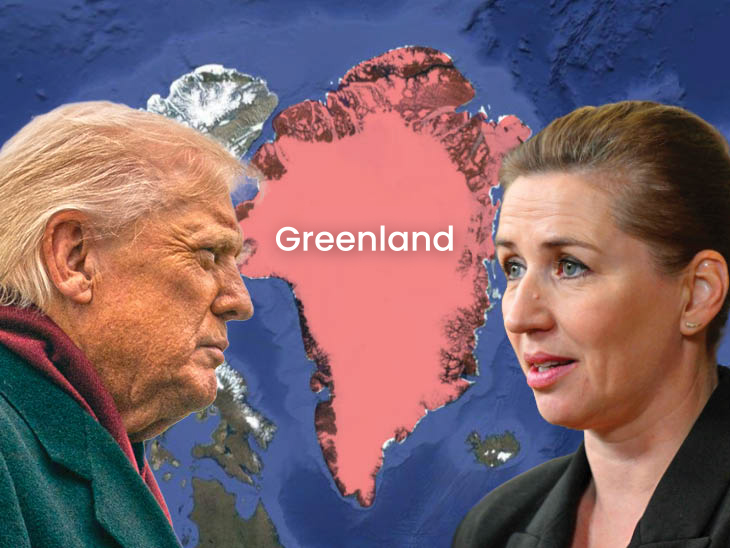
The United States is pursuing the annexation of Greenland, the largest island in the world, through a bill currently under discussion in Congress. This step is part of Washington's efforts to enhance its influence in the Arctic region, where Greenland is considered a strategically important point.
Historically, Greenland was under Danish control, but in recent years, the United States has shown increasing interest in the island, especially after former President Donald Trump proposed purchasing it in 2019. Although this proposal was rejected by the Danish government, American interest has not waned.
Details of the Legislative Initiative
The U.S. Congress is currently discussing a bill aimed at strengthening relations with Greenland, which includes provisions for financial aid and economic support. This legislation aims to enhance cooperation between the United States and Greenland in areas such as security and defense, as well as to capitalize on the island's rich natural resources.
This move comes at a time when geopolitical tensions in the region are escalating, with both Russia and China also seeking to bolster their influence in the Arctic. The annexation of Greenland is seen as a strategic step to reinforce the American presence in the face of these challenges.
Background & Context
Greenland, which enjoys self-governance, is one of the largest islands in the world and contains vast natural resources, including minerals and oil. Historically, the island has been under Danish control, but it has been enhancing its independence in recent years. In 2008, Greenland gained greater autonomy, allowing it more control over its internal affairs.
The American interest in Greenland is not new; the past decades have witnessed numerous attempts to strengthen ties between Washington and Copenhagen. As interest in natural resources in the Arctic grows, Greenland's importance as a strategic ally has increased.
Impact & Consequences
If the bill succeeds in Congress, it could lead to significant changes in international relations in the region. The United States would bolster its military and economic presence in Greenland, which may provoke reactions from other countries, particularly Russia and China.
This move could also affect the internal situation in Greenland, where local populations may face increasing pressures from external forces. At the same time, strengthening relations with the United States could improve the island's economic situation.
Regional Significance
Although Greenland is geographically distant from the Arab region, geopolitical maneuvers in the Arctic could impact global security and stability, reflecting on Arab nations. Amid growing tensions between major powers, Arab countries may find themselves in a position that requires them to reassess their international relations.
In conclusion, the issue of the United States annexing Greenland remains a contentious topic, carrying wide-ranging implications at both regional and international levels. Political and economic circles will closely monitor developments regarding this initiative and its potential future effects.