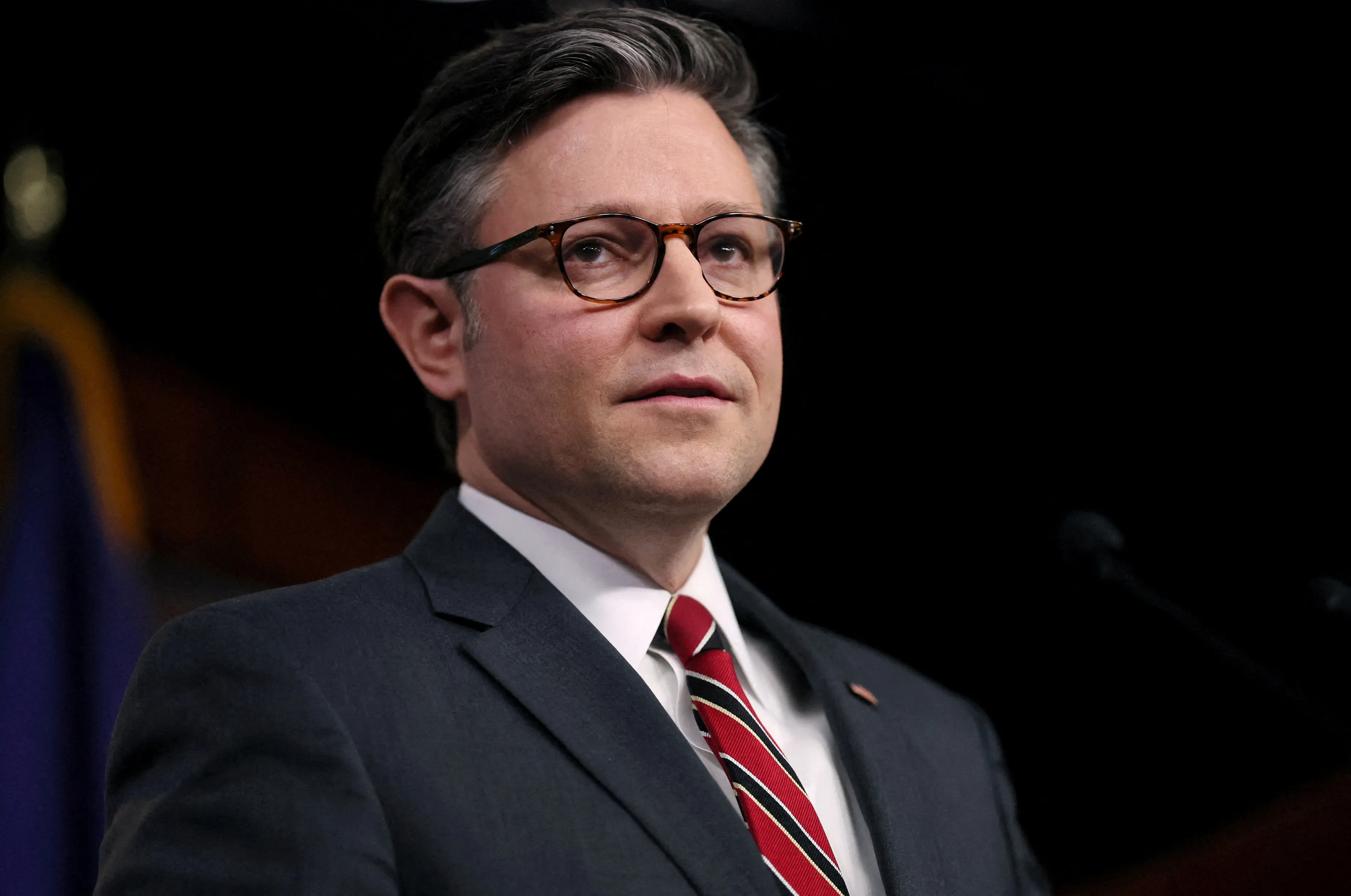
A U.S. Congressman confirmed in a press statement that Iranian airspace is not under American control, indicating the complex geopolitical reality in the region. These statements come at a time when tensions between the United States and Iran are escalating, particularly following a series of military events that have occurred in the area in recent months.
These remarks coincide with the rising Iranian military activities, including missile tests and military operations in neighboring areas. They also come at a critical time when the United States is seeking to bolster its military presence in the Middle East to counter Iranian challenges.
Details of the Statement
The Congressman clarified that the United States does not have complete control over Iranian airspace, highlighting the challenges Washington faces in its policy towards Tehran. He noted that Iran has significantly developed its military capabilities, making it difficult for the United States to impose its dominance in the region.
He also discussed the importance of international cooperation in addressing Iranian threats, emphasizing the need for major powers to work together to ensure security and stability in the region. He asserted that the challenges facing the United States require new and effective strategies.
Background & Context
Historically, U.S.-Iran relations have seen increasing tensions since the Iranian Revolution in 1979. Since then, the United States has imposed economic sanctions on Iran, impacting its economy and leading to heightened military tensions.
In recent years, Iran has ramped up its military activities, including the development of its nuclear program, raising concerns in the international community. In this context, the United States is seeking to enhance its military presence in the region, further escalating tensions.
Impact & Consequences
The Congressman’s statements indicate that the United States faces significant challenges in its policy towards Iran, which may affect its military strategies in the region. Additionally, the inability to control Iranian airspace could lead to an escalation of military conflicts, threatening regional security.
Moreover, these remarks may increase tensions between the United States and its allies in the region, as they seek to achieve a balance of power in the face of Iranian threats. Consequently, these dynamics could impact international relations in the Middle East.
Regional Significance
The Congressman’s statements are particularly significant for Arab countries, as they reflect the challenges faced by the region amid rising tensions between the United States and Iran. These tensions could lead to escalated conflicts in countries like Iraq and Syria, where Iranian forces are present.
Furthermore, instability in the region could affect the Arab economy, as many countries rely on regional stability to attract investments and boost economic growth. Therefore, the situation in Iran could have far-reaching implications for security and stability in Arab nations.
In conclusion, the Congressman’s remarks reflect the complex challenges facing the United States in its policy towards Iran, necessitating new strategies to address these changing dynamics. These challenges directly impact security and stability in the Arab region.