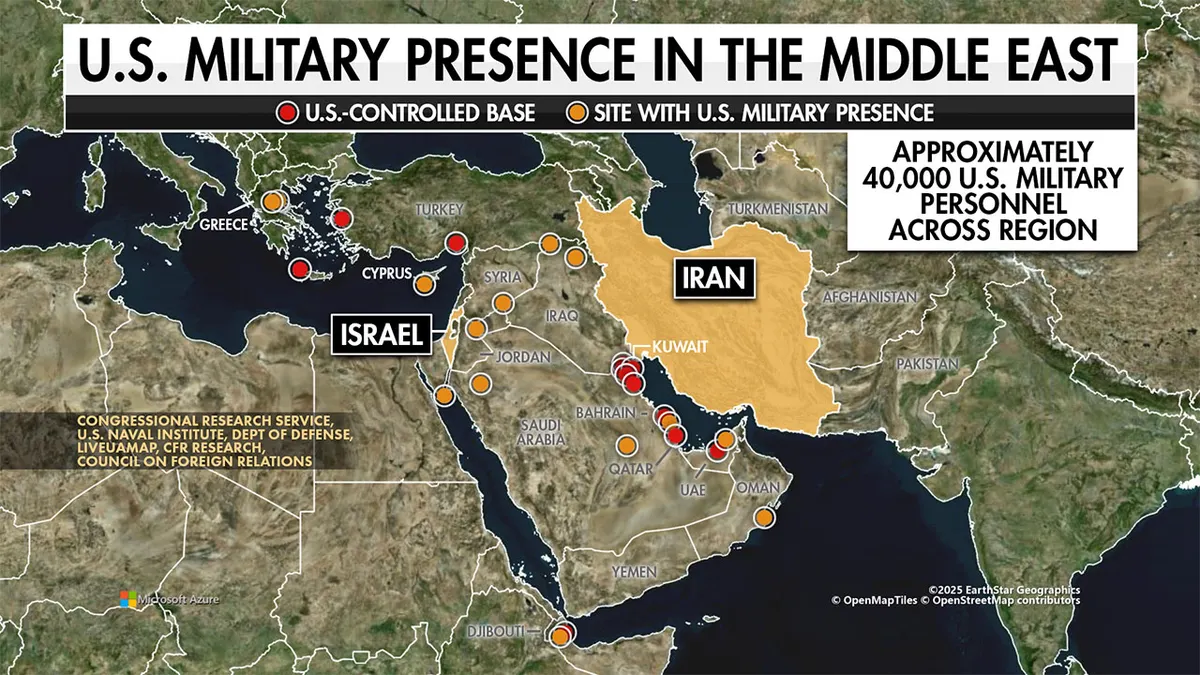
A report from Axios reveals that the White House and the U.S. Department of Defense are contemplating sending at least 10,000 additional troops to the Middle East amid rising tensions with Iran. This move comes as fears grow over potential U.S. ground operations against Iran, raising significant concerns in the region.
The report, based on statements from a senior U.S. defense official, indicated that this step is part of new assessments of the security situation in the region, where mutual threats between the U.S. and Iran are increasing. The official added that bolstering U.S. forces in the Middle East may be necessary to counter any potential escalation from Tehran.
Details of the Situation
This announcement comes at a sensitive time, as Iran continues to develop its military capabilities, including its nuclear program, which has alarmed the international community. The United States has shown readiness to respond to any Iranian actions deemed a threat to its national security or to the interests of its allies in the region.
Potential plans also include the deployment of additional naval and air units, reflecting the U.S. commitment to protecting its allies, such as Israel and Gulf states, from any Iranian threats. It has been noted that enhancing the U.S. military presence could deter Iran from taking hostile actions.
Background & Context
Historically, U.S.-Iranian relations have seen increasing tensions since the U.S. withdrawal from the nuclear agreement in 2018. Since then, Washington has imposed stringent economic sanctions on Tehran, exacerbating the situation in the region.
In recent years, Iran has increased its support for armed groups in Iraq, Syria, and Lebanon, complicating the security landscape in the Middle East. This support has escalated regional conflicts, making it essential for the U.S. to reassess its military strategy in the area.
Impact & Consequences
If these plans are implemented, they could lead to heightened tensions between the U.S. and Iran, threatening stability in the region. Iran is likely to respond to this move by increasing its military activities, either through supporting armed groups or through direct operations against U.S. forces.
This potential escalation could impact global oil prices, as any military conflict in the Gulf region could disrupt oil supplies, negatively affecting the global economy.
Regional Significance
Arab countries, especially those located in the Gulf, are likely to be the most affected by these developments. An increase in U.S. military presence may enhance the sense of security for some nations, but it could also raise concerns about Iranian retaliation that might escalate conflicts in the region.
These events may also affect relations between Arab states and Iran, as some countries may find themselves compelled to adjust their policies based on the new military developments. Ultimately, the question remains how the region will handle these tensions and whether they will lead to dialogue or further escalation.
In conclusion, the situation in the Middle East remains complex and requires close monitoring by the international community. Any military moves by the United States could lead to radical changes in the regional security landscape.