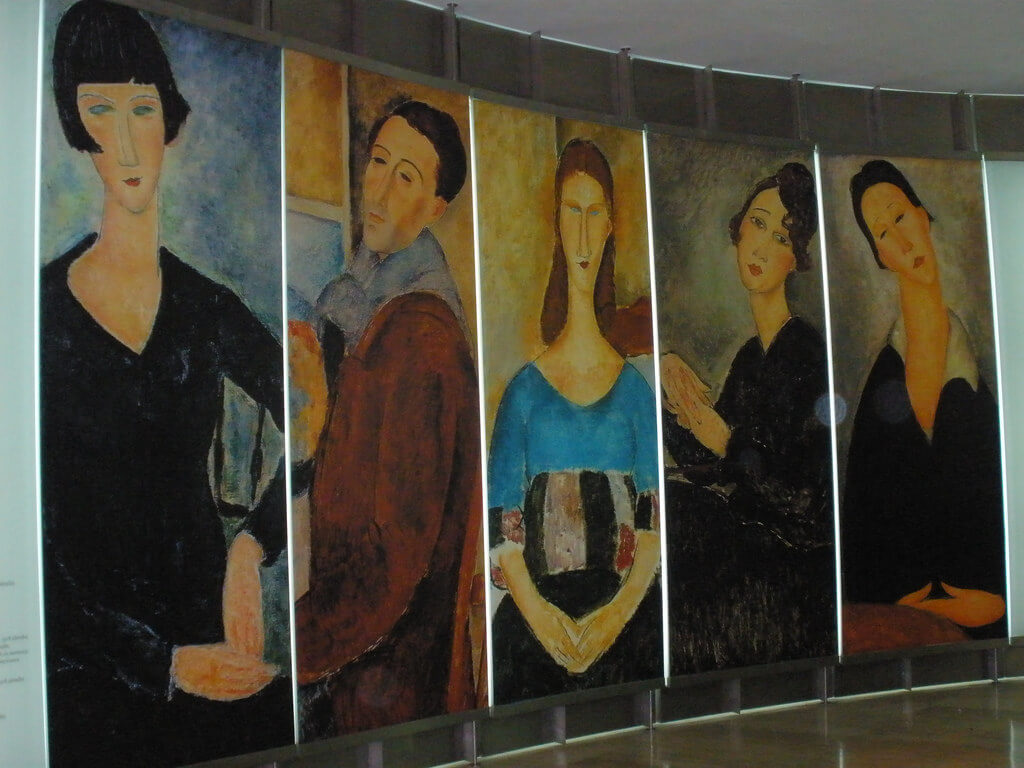
A US court has made a historic ruling ordering the return of a stolen Modigliani painting to the heir of its original owner, who was forced to flee Paris during World War II. The painting, 'Seated Man with a Cane,' was stolen from the owner's grandfather by a Nazi occupier.
The painting, which was in the possession of art dealer David Nahmad, will now be returned to the heir, who resides in the French village of Dordogne. The heir's grandfather had to flee Paris under Nazi pressure during the war.
Details
The painting in question is one of the valuable works of art that reflects Modigliani's unique style. This case serves as an example of the ongoing efforts to recover stolen cultural assets, which should be returned to their rightful owners. The case has garnered significant attention in the art and legal communities, highlighting the challenges faced by families in recovering their stolen assets.
It is worth noting that the painting had previously been sold for substantial amounts, increasing its artistic and historical value. This ruling represents a victory for justice, reflecting the commitment of American courts to addressing historical injustices.
Background & Context
Historically, World War II saw numerous cultural asset thefts, with many artworks being looted by the Nazis. This case is not unique, but rather part of broader efforts to recover artworks stolen during that period. Several countries, including France and Germany, are working to recover lost cultural assets, underscoring the importance of preserving cultural heritage.
Over the years, various legal steps have been taken to recover stolen artworks, but the process is often complex and time-consuming. This American ruling reflects an increasing commitment by courts worldwide to addressing these issues.
Impact & Consequences
This ruling could have a significant impact on how courts handle cultural asset cases in the future. It may encourage more families to claim their rights in recovering stolen assets. Additionally, it highlights the importance of historical awareness and transitional justice in addressing the harm inflicted on victims during wars.
Furthermore, this ruling may lead to increased pressure on art dealers and auction houses to ensure that artworks being sold were not acquired illegally. This could contribute to greater transparency in the art market.
Regional Significance
This case has regional significance, as it involves a French resident and a painting stolen during World War II. The ruling reflects the ongoing efforts to recover cultural assets stolen during that period.
This case serves as a reminder of the importance of preserving cultural heritage and addressing historical injustices. It also highlights the need for greater transparency in the art market to prevent the sale of stolen artworks.