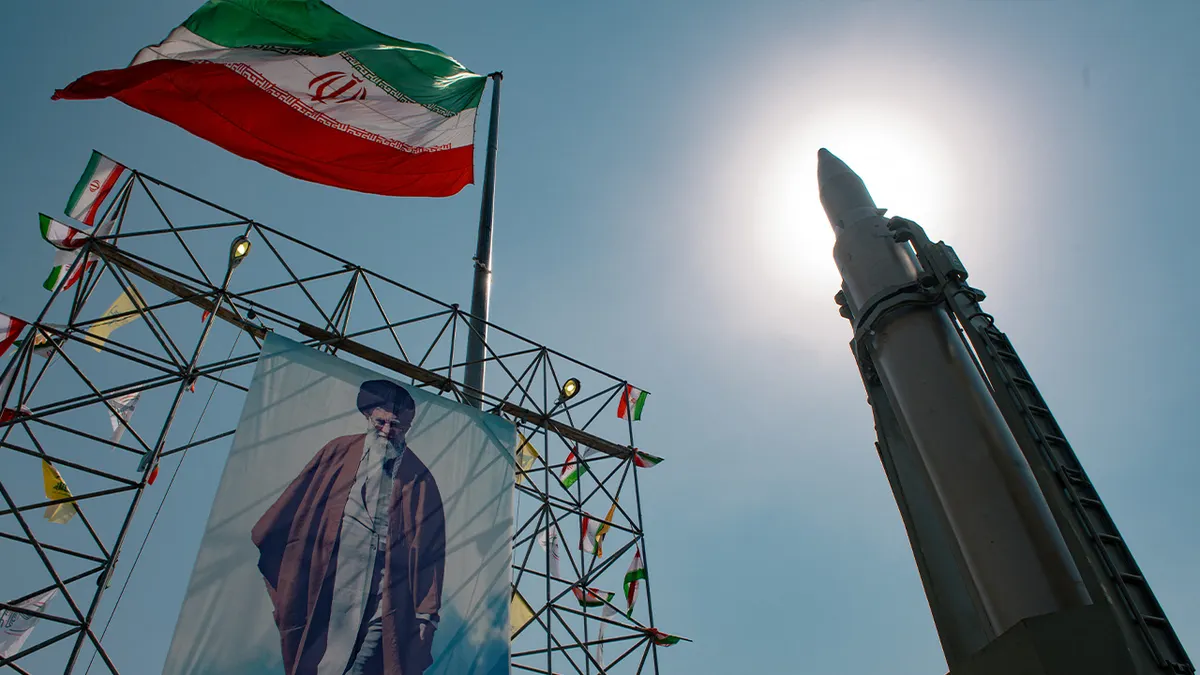
U.S. Secretary of State Marco Rubio stated in remarks on Monday that the United States prefers diplomatic solutions in dealing with Iran, but is also prepared for the failure of negotiations. Rubio explained that the primary objectives of the U.S. military operation involve destroying the Iranian navy and its defense industrial base, as well as undermining its capacity to manufacture missile launchers.
These statements come at a sensitive time in the region, where tensions between the United States and Iran are escalating, especially following a series of events that have intensified the conflict. Rubio, speaking at a press conference, indicated that the United States is committed to protecting its interests in the region and will not hesitate to take necessary actions to achieve this.
Details of the Event
During the conference, Rubio clarified that the Iranian navy poses a threat to regional security, and its destruction would reduce the risks faced by U.S. forces and their allies in the region. He also noted that the Iranian defense industrial base is a crucial part of the country's ability to manufacture advanced weapons, including missile launchers, which pose a direct threat to regional and international security.
Rubio emphasized that the United States will continue to work with its allies in the region, including Arab nations, to enhance security and stability. He pointed out that military and intelligence cooperation with these countries will play a significant role in countering Iranian threats.
Background & Context
Historically, U.S.-Iranian relations have seen increasing tensions since the Islamic Revolution in 1979. Since then, the United States has adopted a policy of pressure on Iran, including the imposition of economic and military sanctions. In recent years, these tensions have notably escalated, especially after the U.S. withdrawal from the Iranian nuclear deal in 2018.
Iran, for its part, seeks to enhance its military and defensive capabilities, which increases the intensity of the conflict in the region. These policies have led to heightened tensions between Iran and Gulf Arab states, raising concerns about a potential military escalation.
Impact & Consequences
If negotiations between the United States and Iran fail, it could lead to military escalation in the region, threatening regional and international security. Additionally, the destruction of the Iranian navy could alter the balance of power in the Gulf and provoke reactions from Iran and its allies, increasing the risk of armed conflict.
Furthermore, the continuation of tensions could negatively impact the global economy, particularly in the energy sector, where Iran is one of the main oil-exporting countries. Any escalation in the conflict could lead to rising oil prices and increased instability in global markets.
Regional Significance
The Arab Gulf states are among the most affected by the tensions between the United States and Iran. Increased tensions could lead to military escalation that threatens the security and stability of these countries. Moreover, any escalation could affect the relationships between Arab states and the United States, especially given Washington's commitment to protecting its interests in the region.
At the same time, Iran may exploit these tensions to enhance its influence in the region, complicating the security situation further. Therefore, Arab states need to strengthen cooperation among themselves and with the United States to face these challenges.
In conclusion, the situation in the region remains tense, with eyes on potential negotiations between the United States and Iran. While Washington prefers diplomatic solutions, its readiness for the failure of negotiations indicates the possibility of military escalation that could have far-reaching effects on security and stability in the region.